One Decision Away
2026 Driver Education Round 1
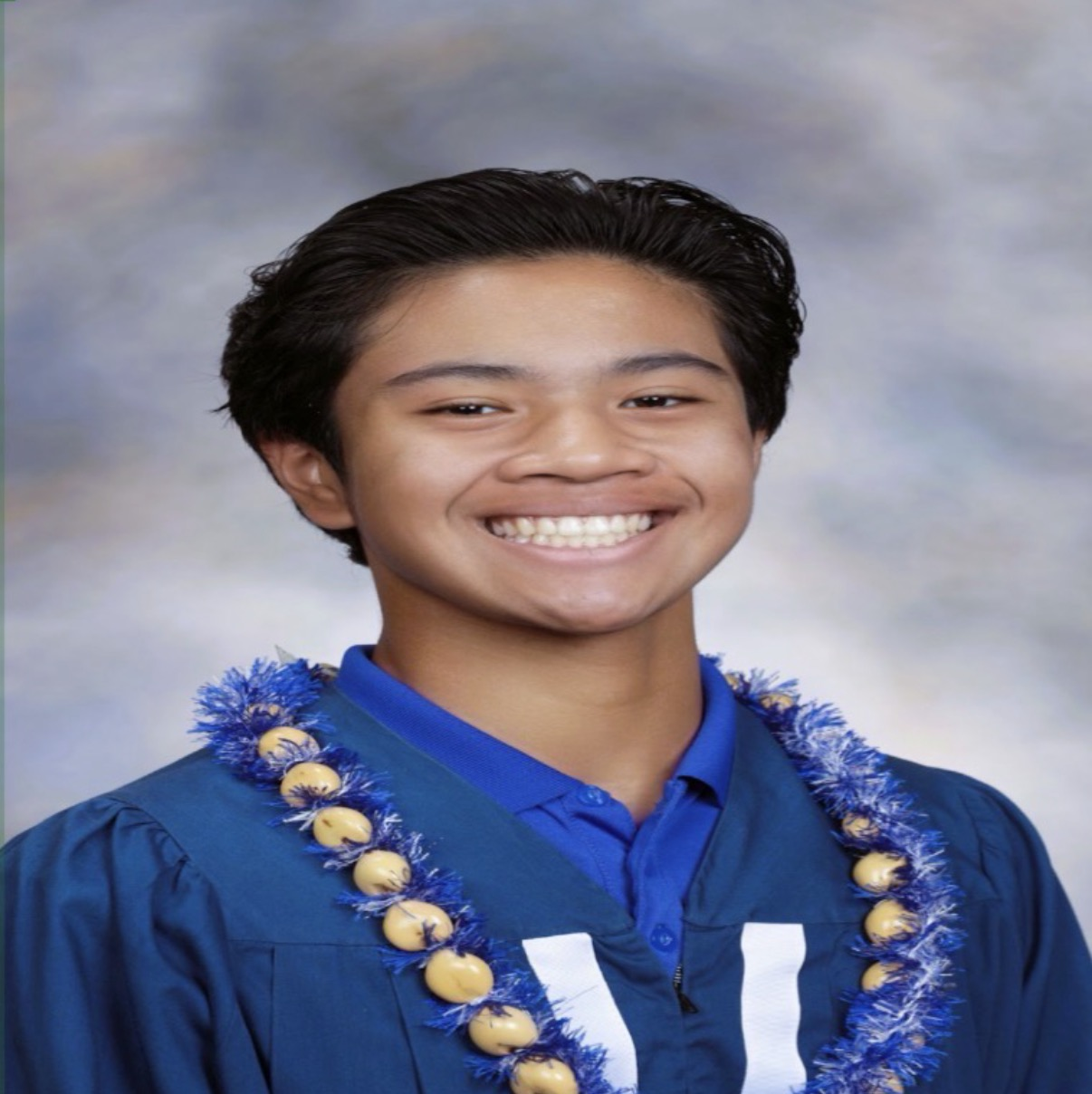
Levi Cuaresma
Ewa Beach, HI
When I first began learning to drive, I thought the hardest part would be mastering turns, parking, or merging onto the highway. I quickly realized that the greatest challenge has nothing to do with operating a vehicle. It is learning that every decision behind the wheel affects not only your own life but also the lives of everyone around you.
Driver education is one of the most effective ways to reduce deaths on the road because it teaches more than traffic laws. It teaches judgment. New drivers learn how to anticipate hazards, remain calm under pressure, and understand that driving is a privilege that demands constant responsibility. Without that education, many people underestimate how quickly a single distraction or impulsive decision can become life changing.
Unfortunately, education alone is not enough. Safe driving requires the discipline to apply those lessons every time we get behind the wheel. Many fatal accidents are preventable because they result from choices rather than circumstances. Speeding, distracted driving, impaired driving, aggressive driving, and failing to wear seat belts continue to take thousands of lives each year. Reducing these deaths begins with creating a culture in which responsible driving is valued more than convenience or excitement.
As a sixteen year old with my learner's permit, I have already experienced moments that changed the way I think about driving. One of those moments happened only yesterday. While turning onto a highway, I mistakenly believed I had the right of way. Another driver honked as they narrowly avoided hitting my car. My mom was sitting beside me, and the sound of that horn immediately made me realize how close my mistake came to affecting another person's life. I remember thinking, "I need to lock in and be fully mindful every time I drive." That moment reinforced something my driver's education course could teach but only experience could truly make me understand: even one moment of poor judgment can have lasting consequences.
I have also made other mistakes. I have looked at my phone for just a second and failed to notice that the traffic light had turned green. Another time, after completing driver's education, I accelerated well above the speed limit because the faster cars around me influenced my decisions. My mom calmly reminded me that my responsibility is not to match the speed of other drivers but to drive safely according to the law. I realized that being a safe driver means having the confidence to make responsible choices even when others do not.
My perspective has also been shaped by my mother's work as a nurse. She has cared for patients injured in crashes caused by reckless decisions, including people who were riding in the open bed of pickup trucks and were thrown from the vehicle. Listening to her experiences helped me understand that accidents rarely affect only one person. Families, friends, healthcare workers, and entire communities carry the emotional and physical consequences long after the crash itself.
The steps we can take to reduce driving related deaths are straightforward, but they require commitment. Driver education should continue beyond earning a license through regular reminders, public awareness campaigns, and conversations between experienced and new drivers. Schools and families should encourage teenagers to speak openly about distractions and peer pressure instead of pretending they do not exist. Most importantly, every driver must accept personal responsibility for the choices they make. As I continue learning to drive, I have made commitments to myself. I will keep my phone out of reach so I am never tempted to look at it. I will avoid playing with music or changing songs while driving because even small distractions divide my attention. I will obey the speed limit regardless of how fast other drivers are traveling, and I will never allow the behavior of those around me to determine how I drive. If I have passengers in my car one day, I want them to feel safe because they know I value their lives more than arriving a few minutes earlier.
Earning a driver's license is often seen as a symbol of freedom. I have come to believe it represents something even greater: responsibility. Every safe decision behind the wheel is an act of respect for the lives of strangers, friends, and family members alike. Driver education provides the knowledge, but character determines whether we use it. I cannot control the choices of every driver on the road, but I can control my own. That commitment is one I intend to honor every time I drive. That is where safer roads begin.
Content Disclaimer:
Essays are contributed by users and represent their individual perspectives, not those of this website.