Protecting others with your knowledge of safe driving.
2026 Driver Education Round 1

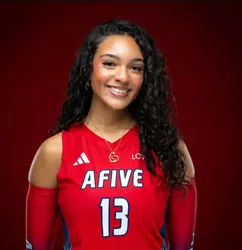
Isabella Kadence Cross
Lawrence County High School Moulton, AL, Alabama
Driving is one of the most powerful responsibilities many of us take on each day. A car can carry us to opportunity, connect us to family, and make our lives more efficient. But it can also become a deadly weapon in an instant. That is why being an educated and safe driver is not just a personal choice; it is a civic duty. When you understand the rules of the road, practice defensive habits, and make thoughtful decisions behind the wheel, you protect your own life and the lives of innocent people around you—passengers, pedestrians, cyclists, and other drivers who trust you to do the right thing.
Education is the foundation of safe driving. A license exam tests basic knowledge, but true education continues long after you pass the test. It means knowing not only what a sign says, but why it matters. Right-of-way rules prevent confusion at intersections, speed limits reflect stopping distances and neighborhood risks, and seat belt laws recognize that crashes can happen even to careful drivers. An educated driver understands vehicle dynamics—how long it takes to stop at different speeds, how rain or ice changes traction, and how distractions steal precious reaction time. That knowledge turns into foresight: you begin to anticipate hazards before they form, rather than merely reacting once they do.
Defensive driving puts that education into action. A safe driver assumes that others may make mistakes and positions themselves to compensate. That means keeping a safe following distance, scanning mirrors and blind spots, and watching the road ahead for brake lights, construction, or debris. It means slowing down in school zones because a child might chase a ball into the street, and easing off the accelerator when weather reduces visibility. It means signaling clearly, checking twice, and never assuming another driver sees you. Defensive driving is not fear; it is respect for uncertainty and preparation for the unexpected.
Staying off the phone and avoiding other distractions is a central part of being safe. Texting, scrolling, or even hands-free conversations split your attention. Cars cover a lot of ground in just a second; a glance away at highway speed can mean traveling the length of a basketball court without seeing what is in front of you. The consequences fall not only on you but on the family crossing a crosswalk, the bicyclist in the shoulder, or the car stopped ahead. Choosing to put the phone away is a simple act that protects countless strangers you will never meet.
Sobriety and alertness are non-negotiable. Alcohol and drugs—whether illegal, prescription, or over-the-counter—can impair judgment and slow reflexes. Fatigue can be just as dangerous, causing micro-sleeps and tunnel vision. A safe driver plans ahead: designate a sober driver, use a rideshare, pull off for a rest, or delay the trip. These choices may feel inconvenient in the moment, but they are acts of care that can save lives. The right decision here is never about pride or proving toughness; it is about humility and responsibility.
Speed control is another crucial pillar. Speed limits are not suggestions; they are calculated for road design, traffic patterns, and surrounding land use. The difference between a minor fender bender and a fatal crash often comes down to speed and stopping distance. By traveling at appropriate speeds and adjusting for conditions—slower in rain or fog, cautious at night—you widen your margin for error and give others time to see and respond to you. You also reduce the severity of any collision that might occur despite your best efforts.
Sharing the road with vulnerable users demands extra care. Pedestrians may misjudge your speed, kids can dart between parked cars, and cyclists may need to swerve to avoid a pothole. Safe drivers make eye contact where possible, yield in crosswalks, give cyclists ample passing space, and check for people before turning right on red. In neighborhoods and parking lots, slowing to a crawl and scanning carefully acknowledges the reality that people—not just vehicles—occupy these spaces.
Vehicle readiness is part of safety, too. Educated drivers maintain their cars: good tires for traction, functioning brakes, working lights for visibility, and properly adjusted mirrors. They buckle seat belts and ensure passengers do the same. They secure cargo so nothing becomes a projectile during sudden stops. These details might seem small, but safety is often decided by the small things done consistently.
Following the rules is sometimes framed as limiting freedom, but in driving, rules are what make freedom possible. Traffic laws create a shared language so strangers can move together at speed without colliding. When each of us commits to that language—stopping fully, signaling intentions, yielding appropriately—we build trust on the road. That trust protects you from others’ unpredictability and protects others from yours.
Ultimately, safe driving is an ethic: a belief that every trip carries a promise. The promise is that you will treat your own life and the lives of innocent people with care. It is choosing patience over impatience, clarity over confusion, and caution over risk. It is understanding that arriving five minutes earlier is never worth the cost of someone’s future. When you commit to being an educated and safe driver, you do more than avoid tickets or insurance claims—you become part of a quiet, everyday network of guardians who keep the world stitched together, one prudent decision at a time.
Every journey begins with a choice. Make yours a commitment to knowledge, discipline, and respect. Drive like your life depends on it—because it does. And drive like the lives around you depend on it—because they do, too.
Content Disclaimer:
Essays are contributed by users and represent their individual perspectives, not those of this website.