The Game Isn't Over Until Everyone Gets Home
2026 Driver Education Round 1
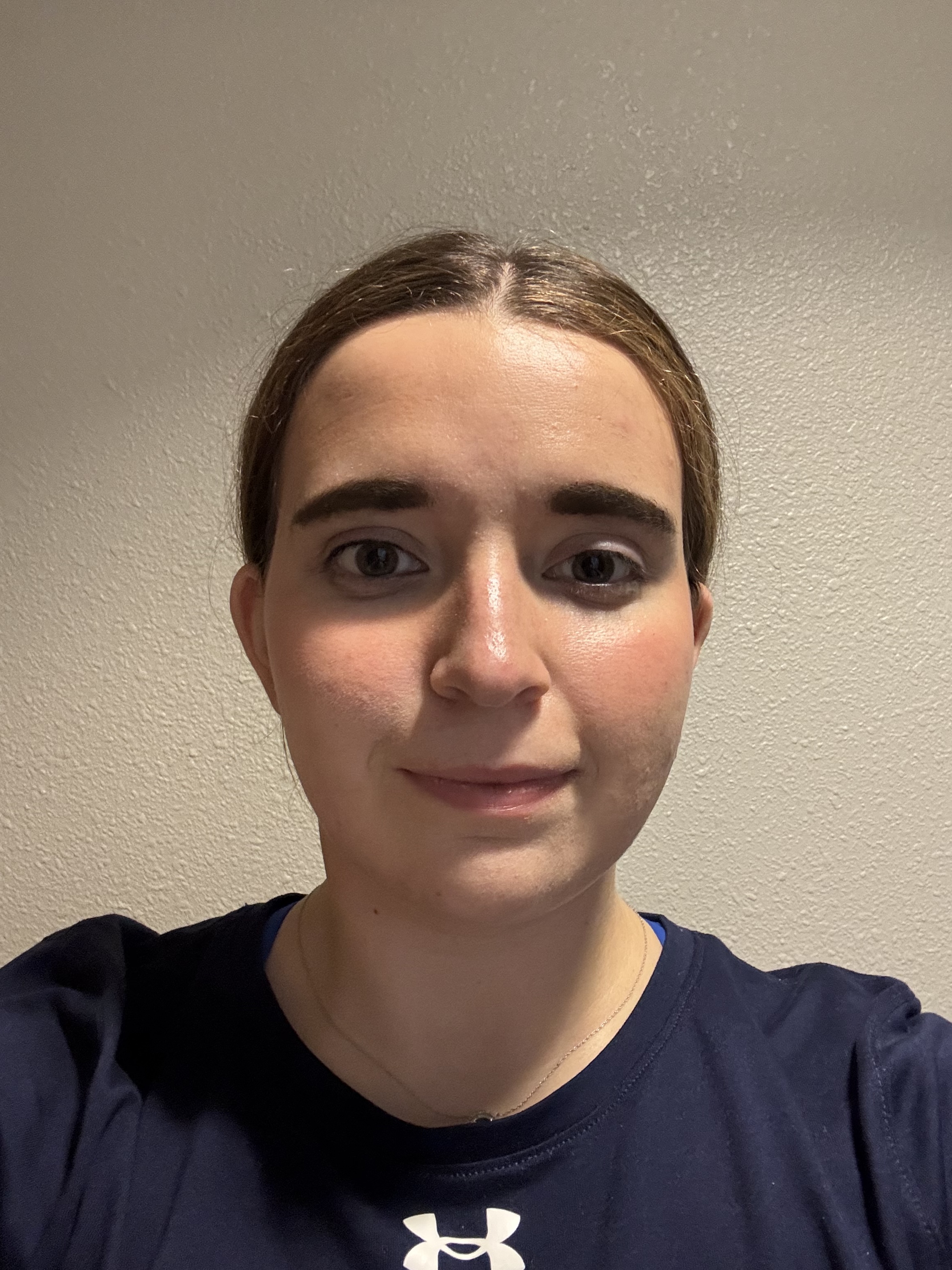
Jayden Elias
Manalapan, NJ
The shooter is alone.
She's closing in with the puck, the crowd gets quiet, and for a split second it feels like everything slows down. As a goalie, I don't wait for the shot. By then, it's often too late. Instead, I watch her body language, read the play, and anticipate what might happen next. The best saves are usually made before anyone realizes there was ever a dangerous scoring chance.
It took me years to realize that the safest drivers do the exact same thing.
Growing up as a hockey goalie meant spending countless hours on the road. My parents and I have driven thousands of miles to practices, games, showcases, tournaments, and championships. We have left our house before sunrise, driven through snowstorms, and returned long after the final buzzer. Those road trips became part of my hockey journey, but they also taught me something I never expected about driving.
More than once, our trip came to a complete standstill because of a fatal accident ahead.
Instead of celebrating a win or talking about the next game, we sat in traffic as police cars, ambulances, and fire trucks rushed past us. Eventually our GPS would reroute us around the accident, and we would continue on our way, but every time it happened, I couldn't stop thinking about the people involved. Someone's teammate wasn't coming home. Someone's son or daughter wasn't making it back for dinner. Someone's family was about to receive the kind of phone call that no one ever wants to answer.
Those moments changed the way I think about driving.
Before I started learning to drive, I thought getting my license meant freedom and independence. Driver education taught me something much more important. Driving is not just about getting from one place to another. Every time we get behind the wheel, we become responsible for every life around us.
Driver education reduces traffic deaths because it teaches people to look beyond themselves. It is easy to just memorize road signs or pass a written test, but becoming a safe driver requires developing habits that become automatic. Learning about stopping distances, blind spots, defensive driving, distracted driving, weather conditions, and reaction times helps drivers recognize danger before it becomes an emergency. More importantly, driver education teaches us that every decision we make behind the wheel has consequences. One glance at our phone, one unnecessary burst of speed, or one impatient decision can change someone's life forever.
As a goalie, anticipation is one of the most important parts of my position. I constantly read body language, watch where players are looking, and try to predict where the puck is going before it ever leaves their stick. If I simply react after the shot is taken, I am already behind the play. Safe driving requires that same mindset. The best drivers are constantly paying attention to what is happening around them. They notice the driver drifting toward another lane, the child standing near the edge of the sidewalk, or the brake lights several cars ahead of them. They prepare before the danger arrives instead of reacting after it is too late.
I believe that reducing the number of deaths on our roads starts with education, but it doesn't end there. Drivers have to make a conscious decision every single time they get behind the wheel. That means putting distractions away before they even start the car. It means wearing your seatbelt every time, no matter how short of a trip you're taking. It means slowing down in bad weather. It means leaving enough space between vehicles. It means never letting frustration dictate your decisions. Sometimes the safest choice is simply arriving at your destination a few minutes late.
Although I have never personally been involved in a serious accident, I have seen enough to understand how quickly lives can change. Years of traveling for hockey have exposed me to the aftermath of crashes that can permanently change someone else's future. Those experiences have made the statistics very real. Every highway shutdown represented someone's parent, sibling, best friend, or teammate. Those moments reminded me that every car on the road carries a person whose life matters deeply to someone else.
Because of those experiences, I have already decided what kind of driver I want to be. Before I start the car, my phone is out of reach, and my music and navigation are always set up. If I am tired after a long weekend of hockey, I recognize that fatigue affects judgment just as much as other distractions. If I am riding with someone who is driving irresponsibly, I speak up and will continue to do so. Being a safe driver is not just about protecting myself, it is about protecting everyone sharing the road with me.
Every goalie knows that the biggest saves rarely happen because of luck. They happen because of preparation, focus, and making good decisions before the puck is ever shot.
I believe safe driving works the same way.
The best drivers are not remembered for making incredible moves to avoid a crash. They are remembered because their good habits prevented the crash from happening in the first place.
In hockey, the final buzzer ends the game.
The drive home is what really matters.
The game isn't over until everyone gets home safely.
She's closing in with the puck, the crowd gets quiet, and for a split second it feels like everything slows down. As a goalie, I don't wait for the shot. By then, it's often too late. Instead, I watch her body language, read the play, and anticipate what might happen next. The best saves are usually made before anyone realizes there was ever a dangerous scoring chance.
It took me years to realize that the safest drivers do the exact same thing.
Growing up as a hockey goalie meant spending countless hours on the road. My parents and I have driven thousands of miles to practices, games, showcases, tournaments, and championships. We have left our house before sunrise, driven through snowstorms, and returned long after the final buzzer. Those road trips became part of my hockey journey, but they also taught me something I never expected about driving.
More than once, our trip came to a complete standstill because of a fatal accident ahead.
Instead of celebrating a win or talking about the next game, we sat in traffic as police cars, ambulances, and fire trucks rushed past us. Eventually our GPS would reroute us around the accident, and we would continue on our way, but every time it happened, I couldn't stop thinking about the people involved. Someone's teammate wasn't coming home. Someone's son or daughter wasn't making it back for dinner. Someone's family was about to receive the kind of phone call that no one ever wants to answer.
Those moments changed the way I think about driving.
Before I started learning to drive, I thought getting my license meant freedom and independence. Driver education taught me something much more important. Driving is not just about getting from one place to another. Every time we get behind the wheel, we become responsible for every life around us.
Driver education reduces traffic deaths because it teaches people to look beyond themselves. It is easy to just memorize road signs or pass a written test, but becoming a safe driver requires developing habits that become automatic. Learning about stopping distances, blind spots, defensive driving, distracted driving, weather conditions, and reaction times helps drivers recognize danger before it becomes an emergency. More importantly, driver education teaches us that every decision we make behind the wheel has consequences. One glance at our phone, one unnecessary burst of speed, or one impatient decision can change someone's life forever.
As a goalie, anticipation is one of the most important parts of my position. I constantly read body language, watch where players are looking, and try to predict where the puck is going before it ever leaves their stick. If I simply react after the shot is taken, I am already behind the play. Safe driving requires that same mindset. The best drivers are constantly paying attention to what is happening around them. They notice the driver drifting toward another lane, the child standing near the edge of the sidewalk, or the brake lights several cars ahead of them. They prepare before the danger arrives instead of reacting after it is too late.
I believe that reducing the number of deaths on our roads starts with education, but it doesn't end there. Drivers have to make a conscious decision every single time they get behind the wheel. That means putting distractions away before they even start the car. It means wearing your seatbelt every time, no matter how short of a trip you're taking. It means slowing down in bad weather. It means leaving enough space between vehicles. It means never letting frustration dictate your decisions. Sometimes the safest choice is simply arriving at your destination a few minutes late.
Although I have never personally been involved in a serious accident, I have seen enough to understand how quickly lives can change. Years of traveling for hockey have exposed me to the aftermath of crashes that can permanently change someone else's future. Those experiences have made the statistics very real. Every highway shutdown represented someone's parent, sibling, best friend, or teammate. Those moments reminded me that every car on the road carries a person whose life matters deeply to someone else.
Because of those experiences, I have already decided what kind of driver I want to be. Before I start the car, my phone is out of reach, and my music and navigation are always set up. If I am tired after a long weekend of hockey, I recognize that fatigue affects judgment just as much as other distractions. If I am riding with someone who is driving irresponsibly, I speak up and will continue to do so. Being a safe driver is not just about protecting myself, it is about protecting everyone sharing the road with me.
Every goalie knows that the biggest saves rarely happen because of luck. They happen because of preparation, focus, and making good decisions before the puck is ever shot.
I believe safe driving works the same way.
The best drivers are not remembered for making incredible moves to avoid a crash. They are remembered because their good habits prevented the crash from happening in the first place.
In hockey, the final buzzer ends the game.
The drive home is what really matters.
The game isn't over until everyone gets home safely.
Content Disclaimer:
Essays are contributed by users and represent their individual perspectives, not those of this website.