The Journey Is Not Just Yours
2026 Driver Education Round 2
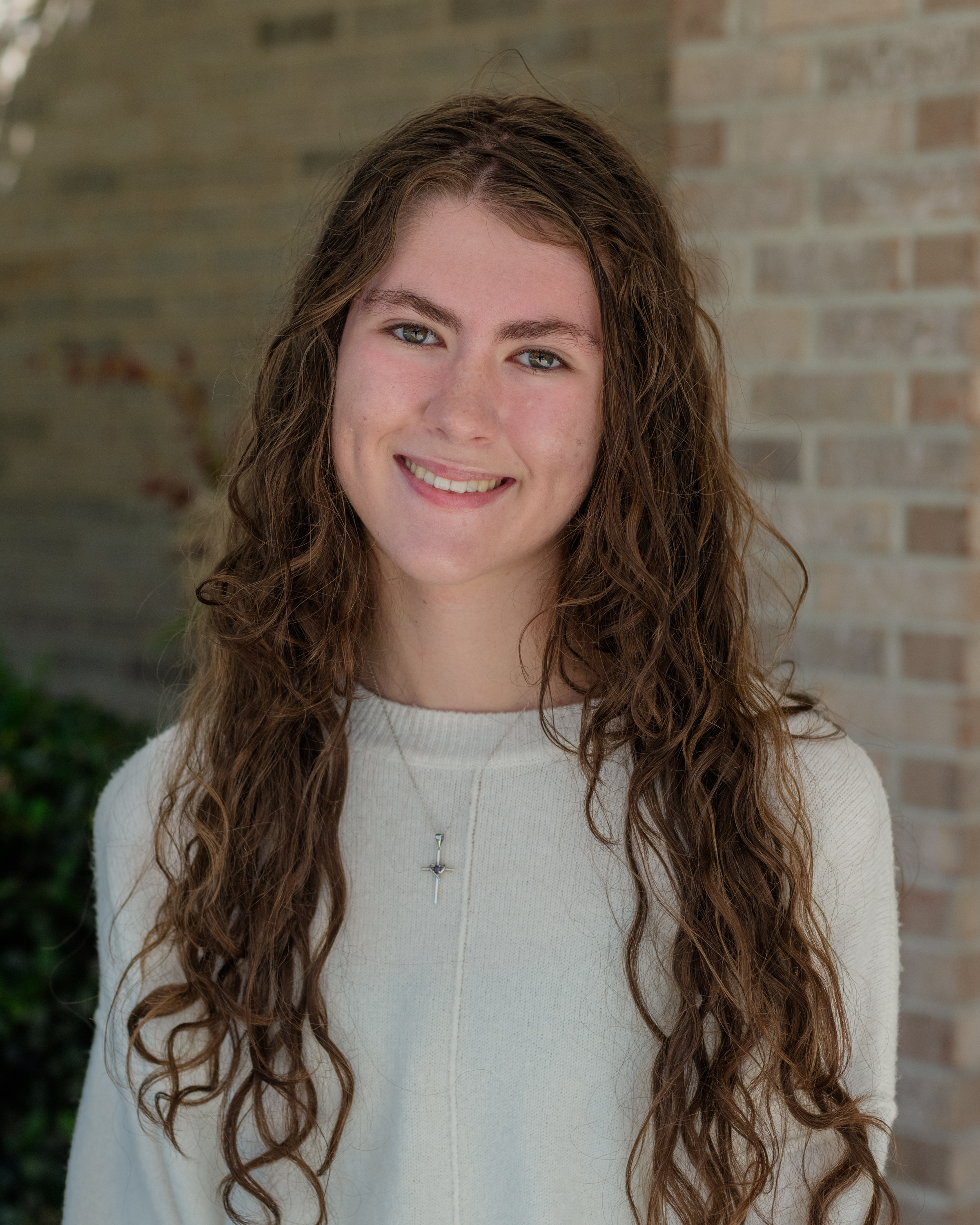
Audrey Dougherty
Sevierville, TN
A seat for driving. For many of us, it is a familiar position – it is the seat we take when going to school, work, on appointments, or to see friends or family. It is so well worn into our daily routine that sometimes the significance of the driving seat is forgotten, as we focus on our destinations, the time it takes to get there and what we will do when we arrive. We don't spend as much time thinking about just how much hinges on our choices.
Every single time an individual gets into a car, they have people to hold accountable in addition to just themselves, including their passengers, everyone else on the road, and each and every person whose life they can impact. Driving is a privilege, but it is also something that requires a serious level of accountability and understanding of the stakes.
The toll of lives lost on American roads should make the responsibility of addressing safety unavoidable. 39,254 people in the United States died in traffic crashes in 2024, according to the National Highway Traffic Safety Administration. But what is behind those numbers is a human life, broken into pieces and lost in the physical form, that has family and friends and plans and a life that meant something. They are not just numbers. They are empty seats around the dinner table, uncelebrated milestones, and a footprint left in a family's history forever altered.
That's why driver education is so important. Becoming a safe, competent driver is far more than just learning what a stop sign or a yield sign looks like, or practicing a few turns, and taking a driving test. All those things are obviously necessary, but they are the basics. Truly educated drivers are aware of the danger of driving, and how to identify and react to dangerous situations out on the road. Driver education teaches drivers how to read the road, how to predict trouble ahead, how to keep a safe following distance, and more.
Equal in importance, driver education also sets in motion the habits and mindsets that dictate driving behaviors. Someone may know that texting when driving is dangerous, but this knowledge does not necessarily prevent them from texting. Someone may learn that the speed limit is 55 mph, but then ignore it because they're going 65 to get to school on time. For this reason, education must do more than instruct someone on what they can and can't do. It must instill an understanding of why. Teaching people to spot hazards before they become emergencies can be a game-changer for novice drivers.
I've witnessed firsthand how a moment of driving can impact others' lives during two different car accidents. In one, the truck mirrors got too far out and led to an accident. What made the situation worse was the fact that the driver refused to accept any accountability for his actions. It's an experience that illustrates how dangerous thoughtlessness on the roads is not necessarily caused by someone intentionally doing something dangerous-it's by not thinking through how a vehicle, a decision, or even a second of distraction can impact someone else.
For my family, the second accident taught us a different lesson. We were hit from behind by a reckless driver with no license. While the car crash itself was fairly brief, the repercussions of the accident persisted even after we drove away. My young sister was shocked by the event, and for months she suffered from sleeping problems and refused to get into a car. Seeing a loved one suffer from something most people do not think twice about made me realize the devastating effects reckless driving can have.
These were lessons I learned from the experience of two car accidents, and lessons I learned from them both. An accident's impact might not be apparent in the damage to a vehicle or even how long the vehicle takes to be repaired. An accident might impact an individual long after the other vehicles have been moved and the roads cleared. And they also taught me something I think everyone should always remember about responsibility: I can't control the choices someone else makes, but I can choose not to be the driver who makes careless choices. Every person who drives must think of that responsibility not only for themselves, but for every person who shares the road with them.
Every single one of us, from individual drivers to entire families and communities to lawmakers, needs to take action to save lives. Remove distractions from your daily driver: If your cellphone rings, toss it in the glove box and ignore the notification until you have arrived at your destination. Never get behind the wheel if you've been drinking alcohol or using substances, or if you're too exhausted to focus on the road ahead of you. Obey posted speed limits, wear your seat belt, obey traffic lights, and keep a safe following distance.
Young drivers also need time and opportunities to build safe practices. Structured driver licensing programs, learner periods, and ongoing driver training can support newly licensed drivers to build confidence and hone skills while avoiding risks. We also all have a critical role to play here as well. Young people learn by what adults say and do. A parent who tells a teen not to text while driving, but then routinely sends or reads text messages while driving sends a mixed message. Safe driving has to be shown, not just commanded.
Communities, through measures such as smarter road design, clearer signage, pedestrian crossings and education, supported by regular enforcement. Schools through schools education programmes to teach and reinforce safe driving behaviour. Families by making discussions about safe driving a staple of driver education. Crash prevention can never be the sole responsibility of a single organisation or all drivers, it is, however, a culture that values safety over the competing priorities of convenience.
Now that I am going to be a more experienced driver, I would like to drive with a sense of responsibility. I can promise to keep my phone out of my reach while driving, to wear my seat belt, to obey the speed limit, to keep a safe distance from other cars, and to never drive while impaired or exhausted. I can not give in to other drivers that want to pressure me into driving faster or become impatient if I am late, arriving a few minutes late is safer.
I also want to educate others on how to become safer drivers. Whether it's asking a loved one to put down their phones or calling out when someone is driving dangerously or asking for a ride if someone is unsafe behind the wheel, these conversations may be challenging to have and awkward to engage in but in the end, your loved one's safety should be more important than an uncomfortable interaction. Sometimes, the safest action you can take as a passenger is to speak up.
In the end, the critical thing in a driver isn't their speed and dexterity once on the road but, first and foremost, if they realize the burden they have chosen when they turn the ignition and start driving. Driving is about getting somewhere - the trick is to get there safely.
And we can't control other drivers, make them leave the road, or take away their distractions. But we can control ourselves. We can be patient instead of impatient, vigilant instead of distracted, and cautious instead of careless. We can keep in mind that the cars around us are not the obstacle that stands between us and the place we want to get to, but instead, people who matter just as much as we do.
The next time we slide behind the wheel, we should remember that we aren't just taking the helm. We are taking on a responsibility that goes well beyond us. And the best thing we can pack in the car along with us on every drive is not just the ability to get us where we're going, but the good sense to do it safely.
Content Disclaimer:
Essays are contributed by users and represent their individual perspectives, not those of this website.