The Road Responds
2026 Driver Education Round 1
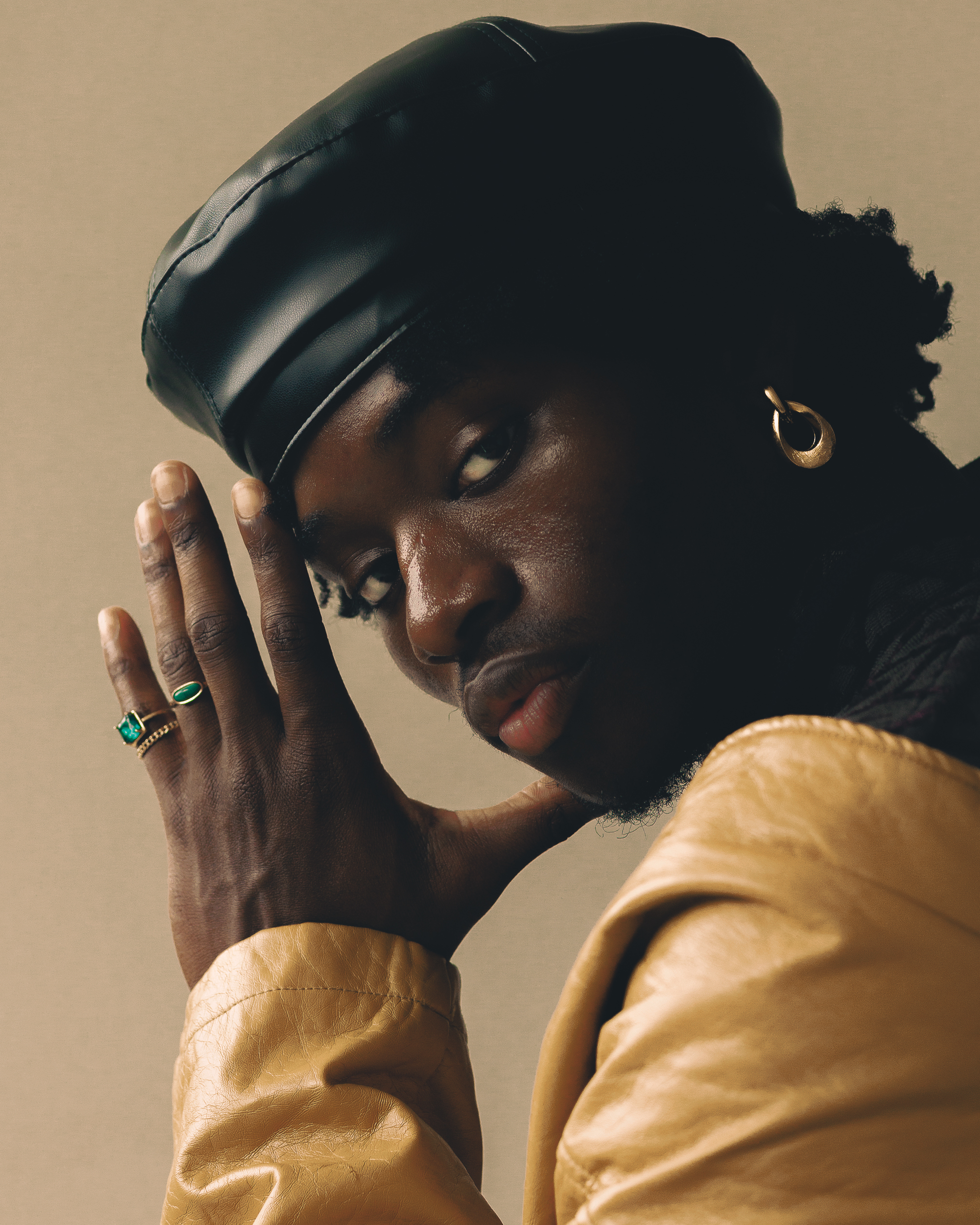
Emmanuel Benyeogor-Chukwuma
Dallas, Texas
Most people think driving is just a skill. Turn the wheel, press the gas, check your mirrors, arrive where you need to go. Simple. But I learned early that driving is really a responsibility tied directly to human life. If even one person stops paying attention, everything can change in seconds.
Growing up in Texas, driving felt like a rite of passage. As someone balancing school, photography, modeling, and family responsibilities, getting behind the wheel felt like stepping into independence. Late-night drives, familiar roads, music filling the car. It all made freedom feel real until reality interrupted it.
At sixteen, I was involved in a car accident while driving with my father. I still remember how quickly normal disappeared. One moment felt ordinary, and the next felt like the world had shifted without warning. After an accident, your mind clings to details you never expected to remember. The sound of metal folding into itself. The silence afterward. The realization that things could have ended differently. Thankfully, we survived, but I never viewed driving the same way again.
What stayed with me most was not just the fear of the accident itself, but the understanding that a single moment can separate routine from tragedy. Before that experience, driving felt automatic. Afterward, every decision behind the wheel carried more weight. I began paying attention differently. I noticed how casually some people treated speeding or distractions, almost as if danger only happened to other people. The road suddenly felt less like a place of convenience and more like a place where responsibility had to be practiced constantly.
Not long after, I experienced another accident while my mother was driving with me in the car. Then later, my cousin was involved in one while driving at nineteen. At some point, these moments stop feeling like coincidences and start feeling like warnings life keeps repeating. Those experiences forced me to understand how fragile people truly are. A car does not care how experienced you think you are, how close to home you might be, or how confident you feel in the moment. The road responds only to decisions.
Watching people I love experience accidents changed me emotionally as much as mentally. There is a helpless feeling that comes with realizing how quickly the people closest to you can be placed in danger. It made me think about families receiving phone calls they never expected, empty seats at dinner tables, and lives permanently altered because someone looked away for a few seconds. That perspective is something no driving manual alone can teach, but strong driver education can help people understand the seriousness of the road before they learn it through pain.
That is why driver education matters so deeply to me. It is not just about memorizing road signs or passing a test. It teaches people to understand the weight of responsibility they carry every time they start an engine. Every car beside us contains a life just as valuable as our own. Someone’s daughter is in that lane. Someone’s father is driving home exhausted from work. Someone’s little brother is laughing in the passenger seat believing he has years ahead of him. Driver education teaches us to see people instead of traffic.
Reducing deaths related to driving starts with creating more intentional drivers. Schools and communities should place greater emphasis on defensive driving, emotional awareness, and distracted driving prevention. Too many people underestimate how quickly one careless decision can become permanent, especially in a culture where reckless driving is often treated casually. I also believe accountability between friends and family matters. Sometimes caring about someone means telling them to slow down, take a break, or hand over their keys before something irreversible happens.
My experiences have changed the kind of driver I want to be. I want to be patient, attentive, and calm behind the wheel. I want to understand that arriving safely matters more than arriving quickly. As a photographer, I spend much of my time noticing details others overlook: expressions, timing, light, emotion. Driving safely requires that same attentiveness. The road demands presence. One distracted moment can alter multiple lives forever.
More importantly, I want to help others become safer drivers too. Whether that means speaking up when friends drive irresponsibly or simply leading by example, I believe responsibility spreads from person to person, quietly, the same way recklessness does.
The road has taught me lessons I wish I learned differently, but I am grateful for them nonetheless. Those accidents did not just leave memories behind. They left perspective. They taught me that every safe drive home is something sacred people too often take for granted. Driver education is important because it protects more than drivers. It protects futures, families, and the people waiting at home for someone they love to walk back through the door.
Content Disclaimer:
Essays are contributed by users and represent their individual perspectives, not those of this website.