Title: The Road That Taught Me Responsibility
2026 Driver Education Round 1
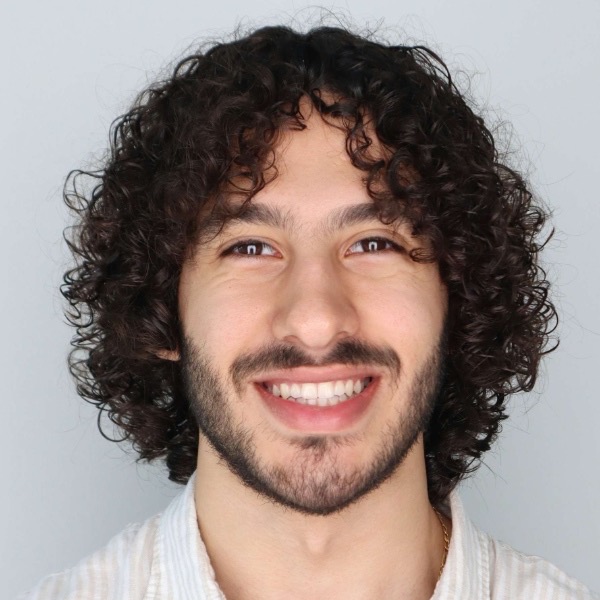
Fady Makroufa
Los Angeles, CA
Driving is something many people do every day without thinking deeply about it, but for me, driving represents responsibility, independence, and safety. Since coming to the United States from Egypt, I have learned how important driving is in daily life. In Los Angeles especially, driving is almost necessary for school, work, family responsibilities, and basic independence. I drive to class-related activities, work, appointments, errands, and to help my family. Because of that, I understand that being behind the wheel is not just about getting from one place to another. It is about protecting my life, my passengers, and everyone around me on the road.
Driver education is extremely important because many people underestimate how dangerous driving can be. A car can feel normal because we use it every day, but one careless decision can change someone’s life forever. Driver education teaches people more than traffic signs and parking rules. It teaches responsibility, awareness, patience, and defensive driving. It helps drivers understand that speeding, texting, aggressive driving, or driving while tired are not small mistakes. They are choices that can injure or kill people.
As a student pursuing a career in physical therapy, I think about this in a very personal way. In healthcare, we learn how injury can affect every part of a person’s life. A car accident can cause pain, weakness, fractures, spinal injuries, brain injuries, fear, anxiety, and long-term disability. It can affect someone’s ability to work, study, exercise, drive again, or take care of their family. Since my goal is to become a physical therapist, I know that behind every injury is a real person with a life, responsibilities, and people who depend on them. This makes safe driving even more important to me.
I also understand the seriousness of driving because I have personally been in a car accident that was not my fault. I had bought a brand-new Honda Accord, and a few months later, I was involved in an accident. Even though I was fortunate, the experience was stressful and frustrating. My car had to be repaired, and even after getting it back, I kept dealing with problems and concerns about whether everything had been fixed correctly. That experience taught me that an accident does not end the moment the cars stop moving. The effects continue through repairs, stress, financial worries, transportation issues, and the fear that something could have been worse.
That accident made me more aware that even if I try to be careful, I can still be affected by another driver’s choices. Someone else’s distraction, impatience, or poor judgment can put my life at risk. It reminded me that every driver has a responsibility to other people, not just themselves. When a person speeds, checks a text message, follows too closely, or drives aggressively, they are making a decision that could harm someone’s family, future, or health.
There are many steps that can be taken to reduce the number of deaths related to driving. First, driver education should be more serious and realistic. It should not only focus on passing a test. It should teach young and new drivers about real-life consequences, defensive driving, distracted driving, and the emotional impact of crashes. Hearing real stories from accident victims, families, first responders, and healthcare workers could help drivers understand that unsafe driving is not just a statistic. It is something that affects real people.
Second, drivers need to take distractions more seriously. Phones are one of the biggest dangers because people think looking down for a few seconds is harmless. In reality, a few seconds is enough time to miss a red light, a pedestrian, a stopped car, or a sudden change in traffic. One of the most important habits I can practice is putting my phone away while driving and using it only when I am parked safely. No message is more important than a life.
Third, speeding needs to be treated as a serious risk, not as something normal. In a city like Los Angeles, people are often rushing, stressed, or stuck in traffic. It can be tempting to drive faster to save time, but speeding reduces reaction time and makes crashes more dangerous. I have learned that arriving safely matters more than arriving a few minutes earlier. Leaving earlier, staying calm, and accepting traffic are simple habits that can prevent dangerous decisions.
Fourth, drivers should practice patience and emotional control. Road rage and aggressive driving can make a stressful situation much worse. When another driver cuts me off or drives aggressively, I do not need to respond or compete. A safe driver knows how to stay calm, create distance, and focus on avoiding danger. I believe emotional control is a major part of safe driving because many crashes happen when people let anger or impatience control their decisions.
I can also take specific steps to become a better and safer driver. I can avoid using my phone, follow speed limits, wear my seat belt, keep a safe distance, check my mirrors and blind spots, and avoid driving when I am too tired. As a busy student who balances school, work, and family responsibilities, I know fatigue can be a real issue. If I am exhausted, I need to recognize that tired driving can also be dangerous. Being responsible means knowing when I am not in the best condition to drive.
Another way I can help make roads safer is by being an example to my family and friends. I help take care of my mother and sister, and I know they depend on me. That makes safe driving even more personal. I want to make choices that protect them and allow me to continue being there for them. If I see someone texting while driving or driving carelessly, I can speak up respectfully. Sometimes people do not realize how dangerous their habits are until someone reminds them.
Driving is a privilege, but it is also a responsibility that should never be taken lightly. My experience as an immigrant, a student, a future healthcare provider, and someone who has been in a car accident has taught me that road safety is personal. Every person on the road has a family, a future, and a life that matters. When I am in the driver’s seat, I want to remember that my choices can protect not only me, but also the people around me. Safe driving is not just about following the law. It is about respecting life.
Content Disclaimer:
Essays are contributed by users and represent their individual perspectives, not those of this website.