Two Seconds Beyond the Passenger Seat
2026 Driver Education Round 2
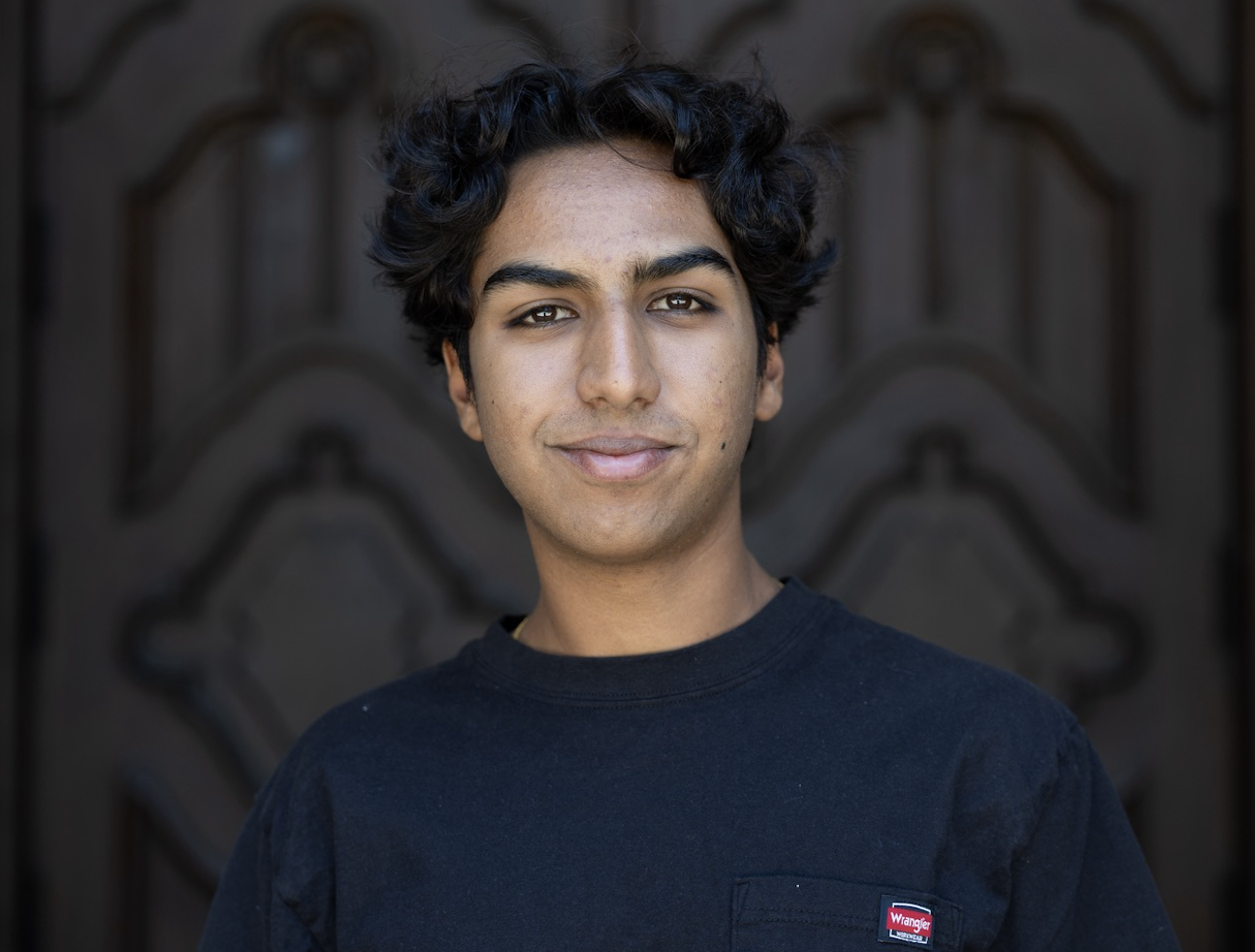
Laksh Hiranandani
Rowland Heights, CA
As I hear tires screeching, we begin moving forward slowly, then accelerate in an instant. A deafening crash fills the intersection. Lights flash around us, disappearing as the airbag deploys and fills my vision.
When I wake up in the hospital, my mother is beside me. I remember hearing the faint sound of someone calling my name, their voice seeming to come from somewhere far away. My attention, however, is fixed on something else: a small container of red Jell-O sitting on the hospital table in front of me.
We had been struck from behind by a drunk driver while my mother was driving. Sitting in the back seat, I had little control over what happened. Someone else's decision to drive under the influence had suddenly changed an ordinary trip into an experience that would follow me for years.
For a while afterward, even riding in a car made me uneasy. I found myself paying attention to the vehicles around us, anticipating sudden movements and wondering whether the drivers nearby were paying attention. Eventually, I would have to move from the passenger seat into the driver's seat myself. The thought of taking responsibility for a vehicle, knowing how quickly someone else's decisions could affect me, made learning to drive especially intimidating.
When I finally began learning to drive, I worked with a AAA driving instructor and practiced with my mother. Every lesson brought a new responsibility. I paid close attention to the vehicles around me, constantly checking my surroundings and anticipating what might happen next. Intersections made me particularly cautious. Even ordinary situations could leave me second-guessing my decisions. Having experienced the consequences of someone else's reckless driving, I found it difficult to trust that other drivers would make responsible decisions.
Over time, however, I began recognizing that fear alone could not make me a safer driver. I needed to learn how to make decisions confidently while remaining aware of the risks around me. My instructor helped me understand the importance of anticipating hazards, maintaining appropriate distances, checking blind spots, and responding calmly to changing traffic conditions. Practicing with my mother gave me another opportunity to apply those lessons in everyday situations.
Gradually, I developed a different understanding of caution. Safe driving requires awareness of what could happen, along with the ability to respond appropriately. I learned that confidence behind the wheel comes from preparation and practice. I could not control every decision another driver made, but I could control how prepared I was to respond. Being cautious meant giving myself enough time and space to react, rather than allowing the possibility of danger to prevent me from making decisions.
This is why driver education plays such an important role in reducing traffic-related deaths. Driving involves far more than learning how to operate a vehicle. Drivers must understand traffic laws, recognize hazards, account for changing road conditions, and make decisions that consider everyone sharing the road. Inexperienced drivers are particularly vulnerable because they have had less time to develop these skills. Structured education gives them an opportunity to develop safe habits before encountering difficult situations independently. Graduated licensing programs further support this process by allowing new drivers to gain experience under progressively less restrictive conditions.
However, education must also address the decisions that make roads dangerous in the first place. My experience with an impaired driver showed me how one person's decision can affect people who have done nothing to invite that risk. Driving under the influence compromises judgment and reaction time, making it difficult to respond safely to unexpected situations. Preventing impaired driving requires education about its consequences, consistent enforcement of laws, and a willingness to find alternative transportation rather than getting behind the wheel after consuming alcohol. The same sense of responsibility applies to distracted driving, speeding, and failing to wear seatbelts. Drivers must understand that their decisions extend beyond themselves.
My experience has also influenced how I think about vehicles themselves. I have spent time building and working on go-karts, experimenting with mechanical components, and learning how different systems function together. These projects have strengthened my interest in engineering and made me appreciate the complexity of the machines people operate every day. Building go-karts has taught me to appreciate the engineering behind a vehicle, but driving has taught me that its safety ultimately depends on the decisions of the person operating it.
As I continue gaining experience, I want to maintain the habits that my instructor and mother helped me develop. I can give myself adequate time to reach destinations, avoid distractions, maintain safe following distances, and remain attentive to pedestrians and other drivers. I also want to contribute to a culture where friends feel comfortable speaking up when someone is driving irresponsibly. Whether that means arranging another ride for someone who has been drinking or reminding a distracted driver to put their phone away, I want to treat road safety as a shared responsibility.
I still remember the hospital table and the small container of red Jell-O. At the time, I could hardly process anything beyond what was directly in front of me. Years later, that experience has influenced how I approach something as ordinary as getting behind the wheel. Learning to drive taught me that being responsible requires acknowledging the risks without allowing fear to dictate every decision. I cannot control every circumstance on the road, but I can control the preparation I bring, the attention I give, and the decisions I make. Every time I take the driver's seat, I carry that responsibility with me.
Content Disclaimer:
Essays are contributed by users and represent their individual perspectives, not those of this website.

In the Driver’s Seat: Promoting Safe Driving Through Education and Awareness
Theresa Shabani