What I Learned From the Passenger Seat
2026 Driver Education Round 2
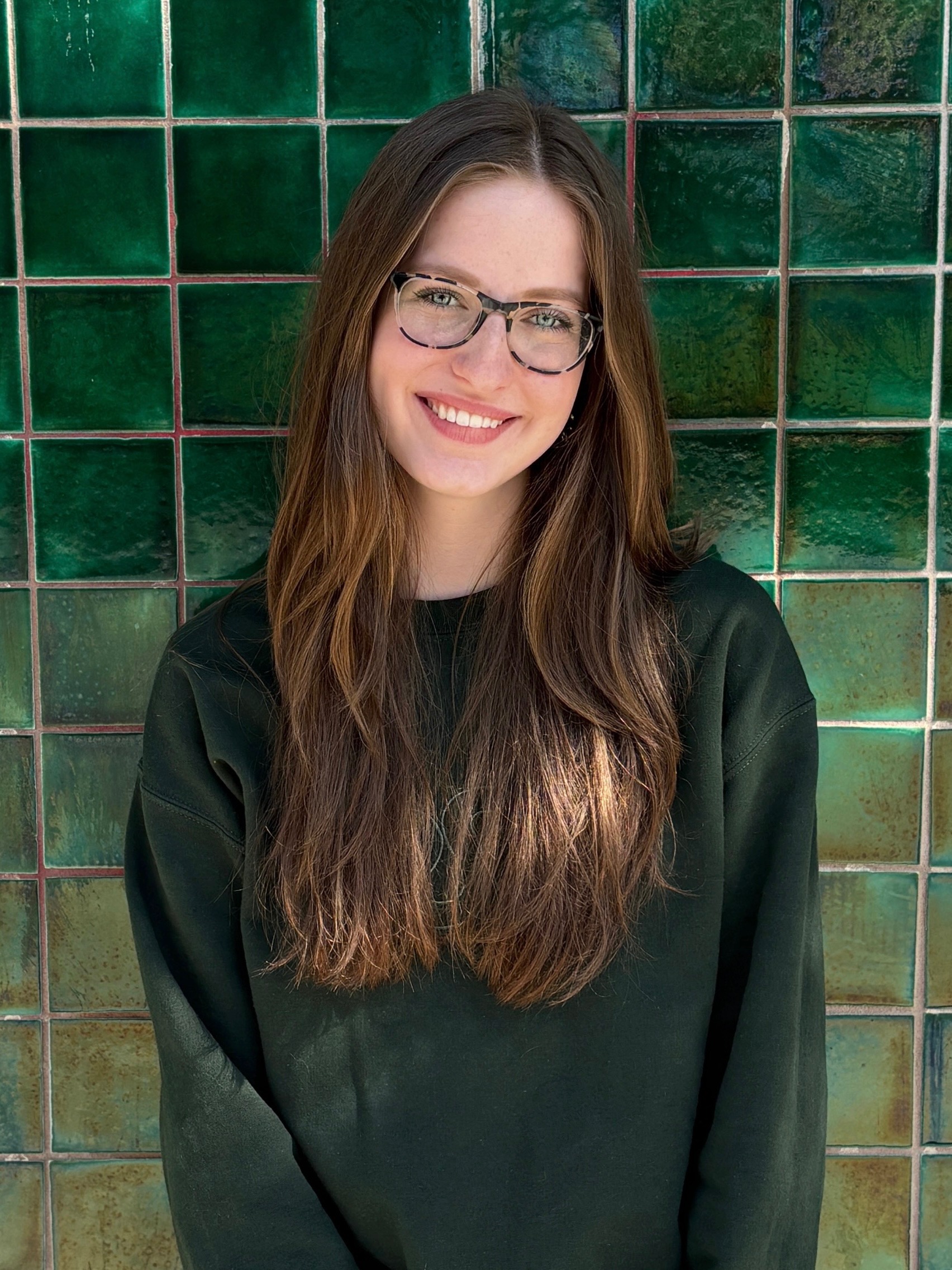
Ryan Elise Sullivan
League City, Texas
I learned something about driving safety from the passenger seat.
My dad was driving when our car crashed into a concrete neighborhood sign. The car was totaled, and I was scared. I don't need to add dramatic details to make that experience matter. Being inside a car when it crashes is frightening enough.
When people talk about accidents, it's easy to think about damaged cars, insurance, or traffic getting backed up. But sitting in that passenger seat made it personal. There are people inside those vehicles. They aren't just part of somebody's commute. They have families, responsibilities, and plans for what they're going to do when they get home.
That experience is one reason I think driver education matters so much. Learning to drive shouldn't just be about passing a test and getting a license. It should prepare us to recognize risks, make responsible decisions, and understand what we're taking on every time we get behind the wheel.
I'm seventeen, and I understand why getting a license feels exciting. Being able to go somewhere without asking for a ride is a pretty big deal. But freedom doesn't make the responsibility disappear. If anything, it makes it more important.
Good driver education can help reduce deaths by teaching habits before unsafe ones become normal. Students need to practice checking blind spots, leaving enough following distance, adjusting their speed for conditions, and noticing pedestrians and cyclists. They also need to understand why those habits matter. Memorizing a rule is different from recognizing a situation where that rule could protect someone.
I think learning should include supervised practice in different conditions, with a qualified adult helping new drivers recognize what they still need to improve. Nobody becomes an experienced driver just because a card arrives in the mail. I know I still have things to learn, and I'd rather admit that than act confident about something I haven't mastered.
Reducing driving deaths also requires dealing with distractions honestly. My phone is probably my biggest temptation. I text my friends, check notifications, and want to know what's happening. Sometimes the urge to check is almost automatic, which is exactly why I need a plan before I start driving.
My plan is to turn on Do Not Disturb, choose my directions before leaving, and put my phone somewhere I can't easily reach. If I need to answer something, I can park somewhere safe first. A message doesn't become an emergency just because my phone makes a noise.
Passengers can distract me, too. I love being part of conversations, and I get FOMO when everyone else is laughing about something. But being the driver means accepting that I might miss a funny comment. My friends can tell the story again. They can't undo a crash.
I can tell passengers ahead of time that I may need quiet in heavy traffic or unfamiliar places. I can also ask someone else to handle directions or music. There is no reason I need to be the driver, navigator, and DJ all at once.
Food is another temptation because I'm almost always hungry. But trying to unwrap something, avoid spilling it, and steer is unnecessary multitasking. I can eat before leaving or wait until I'm parked. I think I can survive being separated from a snack for a little while.
Other choices matter just as much. Wearing seat belts, following speed limits, staying sober, and refusing to drive when too tired should be basic expectations. When I'm running late, I need to accept being late instead of trying to make up time by putting other people at risk.
Communities have responsibilities as well. Clear lane markings, visible crosswalks, maintained roads, and better lighting can help drivers recognize hazards. Schools can make safety education more meaningful through practice, discussion, and opportunities to hear from people affected by crashes. Families can reinforce those lessons by modeling the same habits they expect teenagers to follow.
I can help others by being a considerate passenger and speaking up when something feels unsafe. That might be awkward, especially with friends, but silence isn't worth protecting if someone's safety is at risk. I can offer to put a driver's phone away or wait to continue a distracting conversation. Small actions can make it easier for someone else to concentrate.
I plan to study psychology at Baylor University and become a counselor for teenagers. I'm interested in why people make choices, including choices they already know aren't wise. I think road safety requires understanding that gap between knowing better and actually doing better. Education gives us the tools, but we still have to use them.
I can't promise to become a perfect driver. I can promise to keep learning, take correction seriously, and make practical changes instead of assuming that being careful is something that happens automatically.
The crash with my dad reminded me that driving safety isn't an abstract topic. I've been the frightened person in the passenger seat. As I take on more responsibility behind the wheel, I want to remember that feeling and do my part to protect the people riding with me and everyone sharing the road.
Content Disclaimer:
Essays are contributed by users and represent their individual perspectives, not those of this website.