Why Driver Education Matters
2026 Driver Education Round 1

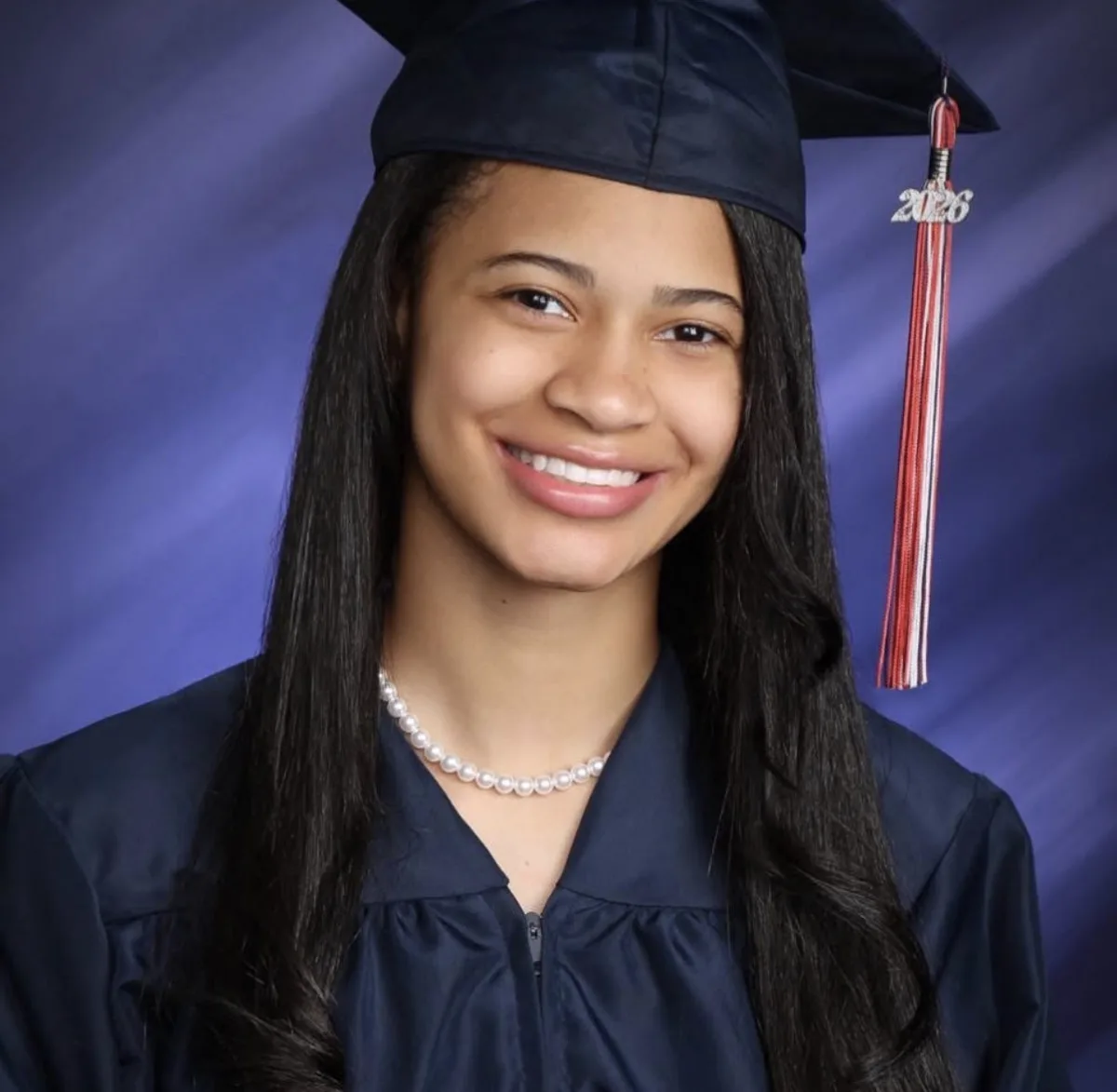
Brooke Sledge
lascassas, tennessee
Every time someone gets behind the wheel of a vehicle, they make choices that affect not only their own life but also the lives of everyone around them. Driving is one of the greatest responsibilities a person can have because one careless decision can change countless lives forever. While many people think learning to drive is simply about passing a test or earning a license, driver education is much more than that. It teaches responsibility, awareness, and the skills needed to prevent crashes before they happen. As a high school student preparing for adulthood, I believe that driver education plays one of the most important roles in reducing traffic-related deaths because it creates knowledgeable, confident, and responsible drivers.
Driver education is important because it prepares new drivers to recognize hazards before they become emergencies. Many crashes happen because drivers are distracted, speeding, following too closely, or simply do not know how to react in dangerous situations. A quality driver’s education program teaches defensive driving techniques, proper vehicle control, traffic laws, and the importance of making safe decisions under pressure. Instead of reacting with panic, educated drivers learn to stay calm and think through situations. Those few extra seconds of preparation and knowledge can mean the difference between arriving home safely or becoming another tragic statistic.
Another reason driver education is so valuable is that it helps young drivers develop good habits from the very beginning. Habits such as always wearing a seatbelt, checking mirrors frequently, maintaining a safe following distance, using turn signals, and staying focused on the road become automatic through repetition and practice. Once these habits become routine, drivers are much less likely to make dangerous mistakes later in life. It is easier to build safe habits from the start than it is to break bad habits after years of driving.
Reducing traffic deaths requires more than just driver education, however. Everyone has a role in making the roads safer. One of the biggest steps that can be taken is eliminating distracted driving. Cell phones have become one of the greatest dangers on today’s roads. A text message, social media notification, or even changing a song can take a driver’s eyes off the road long enough for a serious crash to occur. Drivers should put their phones away before starting the vehicle or use features such as “Do Not Disturb While Driving” so they can focus entirely on driving.
Another important step is obeying speed limits. Many people underestimate how much speeding increases the risk of fatal crashes. Higher speeds reduce the amount of time drivers have to react while also making collisions much more severe. Leaving a few minutes earlier is a much better choice than risking lives by speeding.
Driving under the influence of alcohol or drugs must also continue to be taken seriously. Even small amounts of alcohol or certain medications can slow reaction times and impair judgment. Choosing a designated driver, calling a rideshare service, or asking a trusted friend or family member for a ride can prevent tragedies that never should have happened.
Regular vehicle maintenance is another overlooked aspect of road safety. Worn tires, faulty brakes, broken headlights, and other mechanical problems increase the chances of crashes. Drivers should regularly inspect their vehicles to ensure everything is functioning properly. A safe driver also understands that maintaining the vehicle is just as important as operating it safely.
I have been fortunate not to experience a serious car accident myself, but like many people, I have witnessed irresponsible driving that left a lasting impression. I have seen drivers looking down at their phones while their vehicles drifted within their lanes. I have also seen people speeding through heavy traffic or following other vehicles far too closely. Watching these situations has reminded me how quickly an ordinary drive can become dangerous. It is unsettling to realize that one moment of distraction or impatience could permanently affect multiple families.
Seeing irresponsible driving has made me more aware of my own responsibilities as I prepare to spend more time behind the wheel. Instead of assuming accidents happen only to other people, I recognize that safe driving requires constant attention every single time I drive. No destination is important enough to justify taking unnecessary risks.
As someone who is interested in emergency medical services, I have gained an even greater appreciation for the importance of preventing accidents before they happen. Emergency responders witness firsthand the devastating consequences of unsafe driving. While their training allows them to help people during emergencies, the best outcome is preventing those emergencies from occurring at all. Every crash that is prevented means fewer injuries, fewer grieving families, and more people who get to return home safely at the end of the day. This perspective has strengthened my belief that responsible driving is one of the simplest yet most meaningful ways people can protect one another.
Personally, there are many steps I can take to become a better and safer driver. I will always wear my seatbelt and encourage every passenger to do the same. I will avoid distractions by keeping my phone out of reach while driving. I will obey speed limits even when I am running late because arriving safely is always more important than arriving quickly. I will continue practicing defensive driving by scanning the road ahead, anticipating the actions of other drivers, and remaining patient in traffic. I also plan to continue learning even after earning my driver’s license because becoming a safe driver is an ongoing process, not something that ends after passing a driving test.
Helping others become safer drivers is equally important. I can set a positive example by consistently making safe choices behind the wheel. Friends and younger family members often notice the behaviors of those around them. If they see me refusing to text while driving, wearing my seatbelt every trip, following traffic laws, and staying calm during stressful situations, they may be encouraged to do the same. I can also speak up if I am riding with someone who is driving recklessly. Although those conversations may feel uncomfortable, protecting someone’s life is always worth it.
Traffic safety is ultimately about respecting human life. Every person on the road is someone’s child, parent, sibling, friend, or loved one. Driver education gives people the knowledge and confidence to make responsible decisions, while personal accountability ensures those lessons are put into practice every day. By eliminating distractions, obeying traffic laws, maintaining our vehicles, and encouraging others to drive responsibly, we can reduce preventable crashes and save countless lives.
Receiving this scholarship would help me continue pursuing my education while reinforcing my commitment to being a responsible driver and an advocate for road safety. Safe driving is not simply about avoiding tickets or passing a test—it is about making choices that protect ourselves and everyone who shares the road. Through education, responsibility, and leading by example, we each have the power to make our communities safer, one mile at a time.
Content Disclaimer:
Essays are contributed by users and represent their individual perspectives, not those of this website.

Have you ever had an experience of being in car accident or have seen your friends or family members driving irresponsibly
Toluwani