Your Future in My Hands
2026 Driver Education Round 1

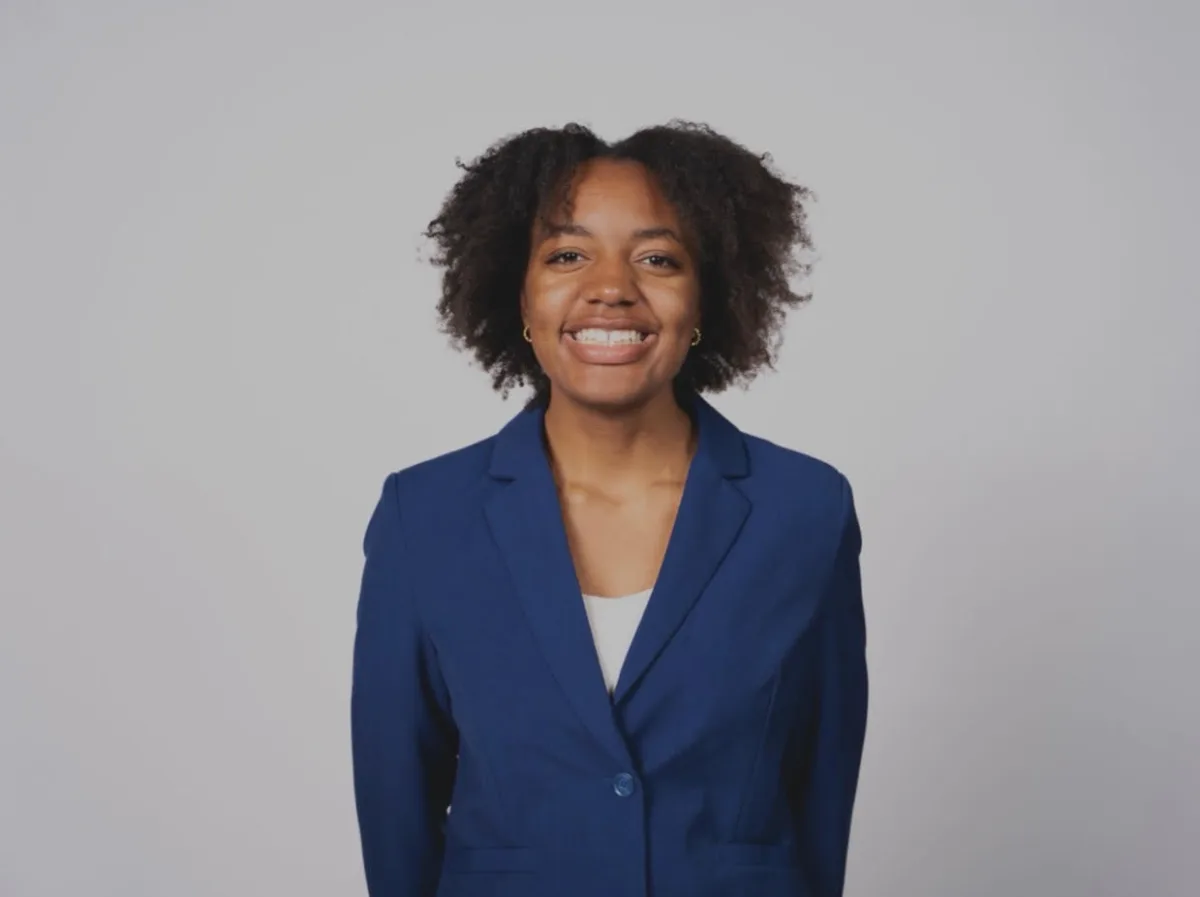
Ashlyn Gudmundson
Provo, UT
When I was younger, I would have horrid, vivid nightmares involving car accidents. These weren't just random fears; they were born out of the tragic reality surrounding me. My neighbor and childhood best friend's brother sadly passed away due to irresponsible driving. Not long after, my own parents and siblings got t-boned in a terrible crash. All around me, I constantly saw the devastating effects of unsafe driving, and it shocked me to my core. It made me realize how fragile life is on the road, a truth that many people my age choose to ignore until it is too late.
We live in a society that is highly centralized around the importance of control. From a young age, we are taught that we should have control over our education, our actions, our lives, and our futures. The definitive phrase emphasized to us, beginning from grade school onward, states: "Your future is in your own hands." We are led to believe that if we work hard and make smart choices, we can dictate our own path. However, the harsh truth is that your future is actually in other people's hands every single time you step foot into a car.
Entering a vehicle is truly the greatest form of trust an individual can showcase in modern society. The second the door closes, you are completely giving up that total autonomy you were promised. Whether it be trusting your own driver to make the right calls, or trusting the hundreds of other drivers around you to stay focused, you are incredibly vulnerable. Unsafe and irresponsible driving can instantly lead to lifelong trauma, severe injury, and death. Because the stakes are so high, it makes no sense why we treat driving like it is a casual, everyday hobby rather than a major responsibility.
This is exactly why I believe so strongly in the importance of drivers’ education. It is not just about learning the rules of the road or passing a test to get a piece of plastic. It is about saving lives. I believe that proper education can significantly reduce the number of driver-related deaths by increasing genuine responsibility and deep understanding in drivers. Right now, the biggest factor of irresponsible driving that I see in my friends, my family, and even myself is distracted driving.
We live in a world where we are constantly connected to our devices. At all times, music, phones, smartwatches, notifications, and other forms of media fight to grab our attention. We have become so addicted to checking our screens that we do it without even thinking, even when we are operating a multi-ton vehicle going at high speeds. According to the National Highway Traffic Safety Administration, "taking your eyes off the road for just 5 seconds to look at your phone at 55 mph means driving the entire length of a football field blindfolded."
Just imagine every single driver on the road glancing at their phone at the exact same moment. The increased chances of an irreversible, catastrophic accident are completely unthinkable. And yet, despite knowing these statistics, we still let our phones distract us while driving every single day.
Why do we do this? Is it a fundamental lack of human empathy? Is it a total lack of care for the people around us? No, I don't think it comes from a bad place. I believe it is simply a lack of understanding the true, real-world consequences. Technological advances have become such a massive, seamless part of our daily lives that we do not fully comprehend the extent to which vehicular accidents are taking a massive toll on our society. We look at numbers on a screen instead of realizing that these accidents are destroying individuals, shattering families, and hurting friend groups forever.
This isn't an abstract theory to me; it is a terrifyingly recent reality. This issue became incredibly real to me just this past week. I was the passenger in the car of an unsafe driver, and it was an experience I won't forget. This individual shall remain unnamed, but they truly did not seem to understand or care about the possible consequences of their actions. They were going 100 mph in a 75 mph zone, zooming wildly on the highway between cars, cutting off massive semi-trucks that couldn't possibly stop in time if something went wrong, and constantly looking down at their phone for navigation and music choices.
Sitting in that passenger seat, I had never felt so uncomfortable and genuinely scared for my own safety. It hit me then how unfair it is that my life was placed in the hands of someone who treated driving like a video game. They had zero regard for the trust I put in them, or the trust that every other driver on that highway was forced to extend to them.
This terrifying experience proved to me that our current approach to driving is failing. We need drivers' education to do more than just teach the bare minimum. It needs to be a wake-up call that forces people to realize a car is a weapon when used incorrectly.
If we want to change this culture, we have to start prioritizing real understanding over convenience. We need to realize that a text message or a song change is never worth a human life. By advocating for stronger, more impactful drivers' education, we can help people realize the true weight of their actions behind the wheel. Your future might be in your own hands when you are standing on solid ground, but when you are on the road, we all have to look out for each other.
Content Disclaimer:
Essays are contributed by users and represent their individual perspectives, not those of this website.