Before The Key Turns
2026 Driver Education Round 1

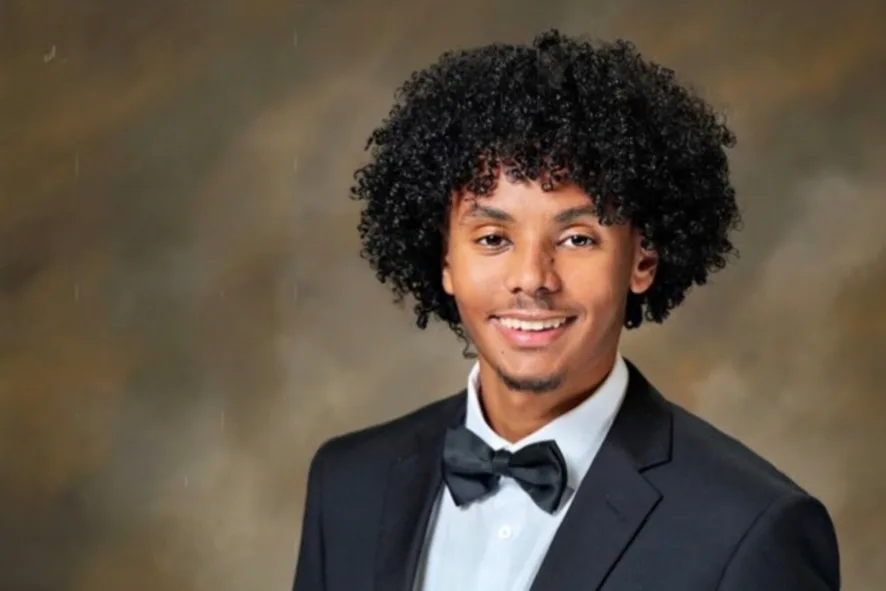
Blanca Analisa Valdez
El Paso, Texas
Every day, people lose their lives on the road not because they intended to be reckless, but because of one decision made minutes earlier. A parent checks a message at a stoplight. A teenager speeds to avoid being late. A tired driver pushes through exhaustion instead of pulling over. These choices feel harmless in the moment, yet they can become the first link in a chain that ends in tragedy. Most dangerous driving decisions begin long before a vehicle ever swerves, skids, or crashes. They begin quietly, in the moments when a driver chooses convenience over caution.
Understanding this has shaped the way I view responsibility, especially as a young person preparing for college, a career in nursing, and a future in pediatric care. Safe driving is not just a skill; it is a commitment to valuing human life. Driver education plays a crucial role in that commitment. It does more than teach a student how to steer, park, merge, or pass a licensing examination. Effective driver education teaches people how to recognize dangerous decisions before those decisions become irreversible. It prepares drivers not only to control a vehicle, but also to control their emotions, distractions, impulses, and sense of urgency.
Every driver shares the road with people whose lives matter deeply to someone. The person in the vehicle beside us may be a parent driving home from work, a student heading to class, a grandparent going to a medical appointment, or a child riding to school. We may never learn their names, but our decisions can still determine whether they arrive safely. Driver education reduces deaths because it replaces overconfidence with preparation. New drivers sometimes believe that being safe simply means knowing how to operate the vehicle. In reality, driving safely requires judgment. A driver must anticipate what could happen, identify hazards, maintain a safe following distance, adjust for weather and road conditions, and remain calm when another person makes a mistake.
Education also challenges the dangerous belief that serious crashes happen only to reckless people. A responsible person can become an unsafe driver in a moment of distraction. A normally careful student can answer one message. A loving parent can drive while exhausted. A good friend can make the terrible decision to drive after drinking. Driver education makes us confront these possibilities before we face them on the road.
Reducing driving-related deaths will require more than telling people to “be careful.” We need practical systems that make safe choices easier and unsafe choices less acceptable. Schools should provide driver-safety instruction before students begin driving independently. That instruction should include real scenarios involving distracted driving, impairment, speeding, aggressive driving, fatigue, and peer pressure. Students should practice identifying hazards and planning how they will respond before they encounter those situations in real life.
Families must also participate. Parents and guardians are a young driver’s first and most influential instructors. A parent cannot tell a teenager not to use a phone while driving and then regularly check messages behind the wheel. Young people notice what adults actually do. Safe driving must be demonstrated consistently, not merely discussed when a student applies for a permit.
Technology can help as well. Drivers can activate a phone’s driving-focus setting, place the device beyond reach, use navigation before moving, and allow passengers to handle messages. Vehicle safety systems can provide another layer of protection, but they should never become an excuse to stop paying attention. Technology is most effective when it supports responsible behavior rather than replacing it.
Communities must continue enforcing laws involving impaired, distracted, and reckless driving. However, laws alone cannot create safe roads. We also need a culture in which passengers feel comfortable speaking up and drivers do not become defensive when someone asks them to slow down or put away a phone.
This realization has changed the way I think about my own responsibility. I cannot control every person on the road, but I can control what happens before my key turns. I can leave early enough that I do not feel pressured to speed. I can adjust my seat, mirrors, navigation, and music before moving. I can place my phone on driving mode and refuse to read or answer messages. I can wear my seat belt every time and require my passengers to do the same. I can keep enough distance between vehicles, scan beyond the car directly ahead of me, and slow down near intersections, pedestrians, and school zones.
I can also recognize when I should not drive. Being responsible sometimes means handing over the keys, requesting a ride, or waiting until conditions improve. If I am exhausted, emotionally overwhelmed, impaired, or unable to concentrate, choosing not to drive is not weakness. It is maturity.
Each time I enter a vehicle, I want to remember that I am not simply operating a machine. I am making a promise to myself, my passengers, and every stranger sharing the road. The promise is simple: before the key turns, safety will already have been chosen.
Content Disclaimer:
Essays are contributed by users and represent their individual perspectives, not those of this website.