In The Driver’s Seat
2026 Driver Education Round 2
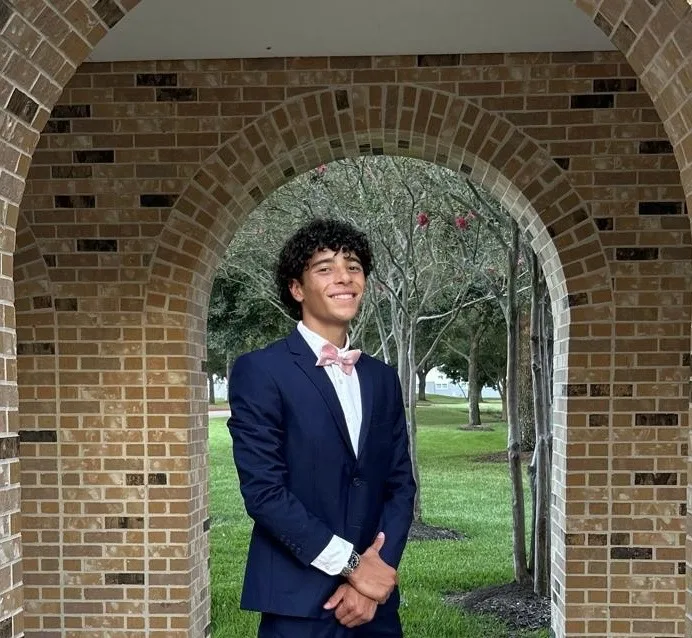
Courtland Cooper Dixson
Douglasville, GA
In the Driver’s Seat: One Significant Recovery is Enough
When you slide behind the wheel and close the door, it is easy to view the car simply as a tool to get from one place to another. But the truth is, we are operating a powerful piece of machinery that demands our complete respect and presence. Every time we turn the ignition, we enter a shared space where our choices directly impact the lives of everyone around us. For me, safe driving is not just a matter of following traffic laws or checking boxes on a test—it is a deeply personal commitment. Having already survived a traumatic brain injury (TBI) in my past, I know firsthand how fragile life and health can be. I have fought hard to heal, and I am fiercely protective of my well-being. I want no more injuries; protecting my mind and my future means that being a safe, mindful driver is non-negotiable.
Why Learning and Understanding Matter
When we think about driver education, many people remember it as a tedious requirement teenagers fulfill to get a license. But looking at it with fresh eyes, driver education is actually our first line of defense against tragedy. Its true importance lies in teaching us anticipation rather than reaction.
A good educational foundation trains us to look beyond the hood of our own car, to read the rhythm of traffic, and to respect the physics of stopping distances and blind spots. It strips away the overconfidence that so easily creeps in when we feel comfortable behind the wheel. When people truly understand why certain rules exist—rather than viewing them as arbitrary restrictions—they begin to drive with empathy and awareness. Education turns a passive commuter into an active, protective presence on the road.
Creating a Safer Culture on Our Roads
To reduce the heartbreak of driving-related tragedies, we have to look at how we approach safety as a community. It starts with simple, human changes in our daily habits and environments.
First, we need a cultural shift around distractions. In a world that constantly demands our attention through screens, notifications, and busy schedules, multitasking while driving has become an invisible epidemic. Treating distracted driving with the same social unacceptability as driving under the influence would save countless lives.
Second, communities can support safer roads through better infrastructure—clearer signs, well-lit intersections, and thoughtful road designs that slow traffic naturally where pedestrians walk. Coupled with modern vehicle technology that acts as a gentle safety net when human error momentarily creeps in, these steps create an environment where people are set up to arrive safely. But technology and asphalt can only do so much; the real change happens in the minds of the people holding the steering wheel.
A Personal Relationship with Safety
It is easy to talk about safety in the abstract until you have lived through an experience that alters your physical reality. Surviving a traumatic brain injury completely changes your relationship with your own body. You learn, in a very stark and profound way, how quickly life can change and how precious every single cognitive function truly is.
Recovery is a journey of patience, resilience, and deep gratitude for the second chances life gives you. Because I have walked that path, I carry that awareness with me every single day. My brain injury taught me resilience, but it also taught me caution. I refuse to take unnecessary risks that could jeopardize the health and peace I have worked so hard to maintain. When I drive, I am not just rushing to get somewhere; I am actively guarding my peace, my health, and my future. I have survived enough, and my goal now is to protect the life I have.
Taking Action: For Myself and Others
Being a safe driver is a daily practice built on small, intentional choices. For me, that means putting my phone completely out of reach before I even start the engine. It means giving myself extra time so I never feel rushed, maintaining a generous following distance, and refusing to let other drivers' impatience dictate my mood or my speed.
It also means extending that care outward to my friends and family. We have all been in situations where a loved one drives carelessly—maybe texting, speeding, or driving while exhausted. In the past, we might have stayed silent to avoid awkwardness. Now, I view speaking up as an act of love. If someone is distracted, I am more than willing to take the keys, handle their navigation, or offer to drive. We have to look out for one another, reminding each other that no phone call, text, or hurried errand is worth a life.
Ultimately, the road is a community space. By combining proper education, mindful daily habits, and a heartfelt appreciation for the fragility and beauty of human life, we can transform our driving culture. For me, staying safe behind the wheel is my way of honoring my own journey, protecting my hard-won health, and ensuring that every journey ends safely where it belongs: at home.
Content Disclaimer:
Essays are contributed by users and represent their individual perspectives, not those of this website.


The Responsibility Behind the Wheel: Why Safe Driving Is About More Than Yourself
Grace Dobson