In the Drivers Seat
2026 Driver Education Round 2
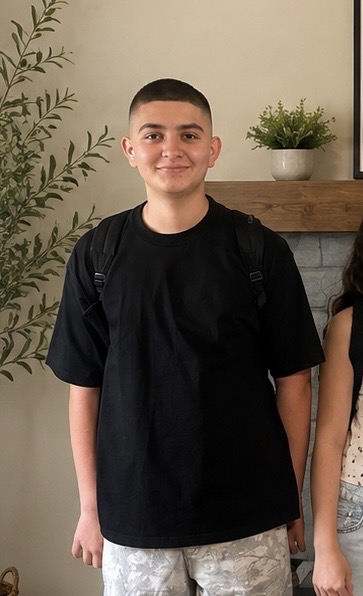
David Lua
Atwater, Ca
One sentence I’m looking forward to saying is, “I can get myself to school today.” In my family of seven, that would mean one less ride to arrange and one less person trying to work around someone else’s schedule. When I picture that first morning, it’s easy to imagine picking the music and pulling into the school parking lot on my own. What takes more thought is everything between my driveway and that parking space. A driver’s education grant would help my family afford the course and give me a chance to practice those decisions with an instructor before I have to make them alone.
On a written test, I can answer a question about who has the right of way. Sitting at an intersection waiting to turn left would feel different, especially if a driver behind me started honking. I might feel rushed or wonder if they could see something I couldn’t. With an instructor beside me, I could learn how to judge the gap for myself and trust my decision to wait. That’s one reason driver’s education can help prevent deaths. A teen who has practiced making decisions under pressure is better prepared to take those extra seconds when someone’s life could depend on them.
I’d especially like to practice driving near my school. As a student walking into school, I know how easy it is to focus on getting to class before the bell. From the driver’s seat, I’d have to notice the student stepping out from between parked cars, the parent pulling away from the curb, and the brake lights two cars ahead. An instructor could point out something I missed and explain what helped them spot it. The next morning, whether I was walking or driving, I’d know to look for it myself.
I’ve seen drivers text behind the wheel and speed, and both have made me think about the kind of driver I want to be. What sticks with me about texting is how ordinary it looks. Someone glances down at a message, but in that moment the car ahead could brake or a student could step off the curb. As a passenger, I can speak up by saying, “I can answer that for you,” or, if the driver is speeding, “I’m okay with being late. Can you slow down?” It might feel awkward to say that to the person giving me a ride, but I know I’d want someone to speak up if they felt unsafe riding with me.
Some of the best decisions I can make as a driver happen before I leave the driveway. I can put in the address, pick my music, and put my phone out of reach. I can also wait until everyone has buckled up before I pull away. It would feel strange to spend weeks learning how to protect my passengers and then be too embarrassed to ask a friend in the back seat to click their seat belt. On a morning when I’m running behind, I can remind myself that I already know how to handle being late. I walk into the office, get my tardy slip, and go to class. There’s no reason to risk someone’s life to avoid doing that.
Preventing deaths on the road also means helping people get home when their plans fall apart. Before going out with friends, we can decide how everyone will get home and who we can call if we need another ride. If a friend tells me they’re uncomfortable getting into a car because the driver has been drinking, I can wait with them while we call someone we trust. It can be hard to be the only person in a group who speaks up. Sometimes the most helpful thing I can say is, “I’ll stay with you.”
One habit I want to build during driver’s education is asking specific questions. After a practice drive, I’d like to ask my instructor, “When did you first notice that person waiting to cross?” Their answer could help me understand where I was looking and what I overlooked. I also want to be honest when something makes me nervous. If I have trouble merging onto a busy road, I want to say so and practice it again. That’s what receiving this grant would give me the chance to do.
My goal is to become a physician and serve my community. Being able to drive myself would make it easier to take part in school activities and pursue volunteer opportunities when my family’s schedule is full. For now, though, I think about a smaller moment. Someday, someone in my family might hand me the keys and ask, “Can you drive us?” By then, I want to have practiced the difficult turns, learned to put my phone away even when I’m expecting a message, and found the confidence to slow down when someone is rushing me. I want to be able to say yes and know I’ve earned their trust.
Content Disclaimer:
Essays are contributed by users and represent their individual perspectives, not those of this website.