In the Driver's Seat: Why Driver Education Saves Lives
2026 Driver Education Round 2
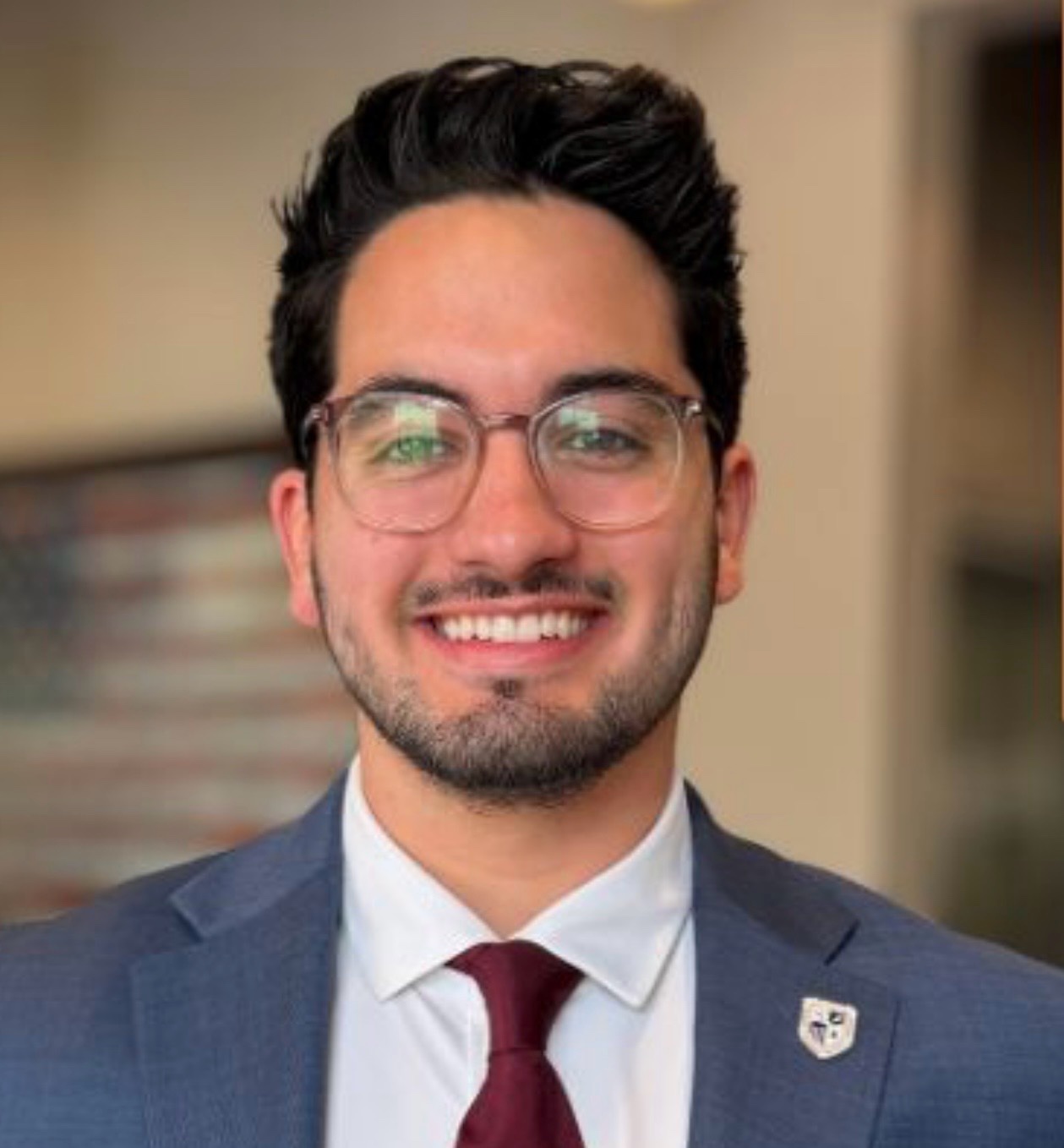
Ethan Craig Durham
Canton, Georgia
In the Driver's Seat: Why Driver Education Saves Lives
I drive for a living, or close to it. I am a licensed REALTOR in Georgia, and in about a year and a half I showed roughly 250 houses, which means hours every week on the roads around Canton, driving to listings, to clients, and to closings. Every Saturday I spend all day mowing lawns, driving a truck and trailer from yard to yard. My truck is a 2003 Toyota 4Runner with nearly 300,000 miles on it, and I do much of the maintenance on it myself. I say all of that because driving is not an abstract topic for me. It is where I spend a large part of my working life, and it is where I have watched, week after week, how much difference driver education makes.
Driver education matters because driving is the most dangerous thing most of us do every day, and the danger is easy to forget. Tens of thousands of Americans die on the roads every year, and far more are injured. The strange thing is that almost everyone who gets behind the wheel believes they are a good driver. I have seen that confidence up close. I have watched drivers drift across a lane while looking down at a phone, watched cars run a yellow light that was already red, and watched someone merge without ever checking a blind spot. None of those drivers thought they were being reckless. They thought they were fine, because nothing bad had happened to them yet. That is exactly the gap driver education exists to close: the gap between how safe we think we are and how safe we actually are.
Good driver education does something a written test cannot. It teaches a new driver what to do before anything goes wrong. It teaches following distance, not just as a number but as the habit of leaving yourself room to react when the car ahead of you stops without warning. It teaches what to do when a tire blows or the road is wet, so the first time it happens is not a panic. It teaches that a phone is not a minor distraction but a real one, and that the text can wait because the person in the next lane is someone's family. Most of all, it teaches respect for the weight of the machine. A car is a two-ton object moving at highway speed, and a moment of carelessness with it is not a small mistake. When I am hauling a trailer full of mowing equipment, I feel that weight in every turn and every stop, and it makes me drive differently than I would in an empty car. A new driver who has never been taught to think that way will not learn it on their own.
There are clear steps we can take to reduce the number of deaths on the road. The first is to make driver education thorough and universal, not a box to check. A short online course and a parking lot test do not prepare a teenager for rain on the highway or a driver who cuts them off. Behind-the-wheel training with an instructor, including practice in bad weather and heavy traffic, should be the standard. The second is to treat distracted driving the way we now treat drunk driving: as a serious choice with serious consequences, enforced consistently and talked about honestly. The third is to keep teaching after the license is issued. A refresher course, a defensive driving class, or even a conversation with a parent or employer about driving habits can correct a bad habit before it becomes a crash. And the fourth is the simplest: maintain the car. Brakes, tires, lights, and steering are the safety systems, and I know from working on my own truck that small maintenance problems become big safety problems when they are ignored.
I have seen irresponsible driving often enough that it has changed how I drive. On the way to showings I have watched drivers weave through traffic to save a few seconds, and I have watched young drivers with a phone in one hand and the wheel in the other. I do not write this to judge them from a distance. I drive a lot of miles, and I know how easy it is to reach for a phone at a red light or to push through a yellow you should have stopped for. What those moments taught me is that safe driving is not a talent. It is a series of small decisions, made over and over, to pay attention, to slow down, and to leave room for other people's mistakes.
So the steps I take to be a better and safer driver start with the basics I refuse to compromise on. I put the phone away before I start the truck. I leave early enough that I do not have to speed to make an appointment, even when a client is waiting. I keep a real following distance, especially when I am towing, and I check my tires, brakes, and lights because my truck has nearly 300,000 miles and I am the one responsible for it. And I try to help others become safer drivers by being the example: by not tailgating, by letting someone merge, and by telling the younger people in my life plainly that no text is worth a crash. When I am riding with someone who is driving distracted, I say so, because silence in that moment is agreement.
Driving is a shared responsibility. Every person on the road is trusting every other person on the road to do their job well. Driver education is how we make sure that trust is earned, and it is why I believe in it so strongly. The miles I drive for work have taught me that a good driver is not the one who has never been scared. It is the one who learned, before anything went wrong, what to do when it does.
Content Disclaimer:
Essays are contributed by users and represent their individual perspectives, not those of this website.