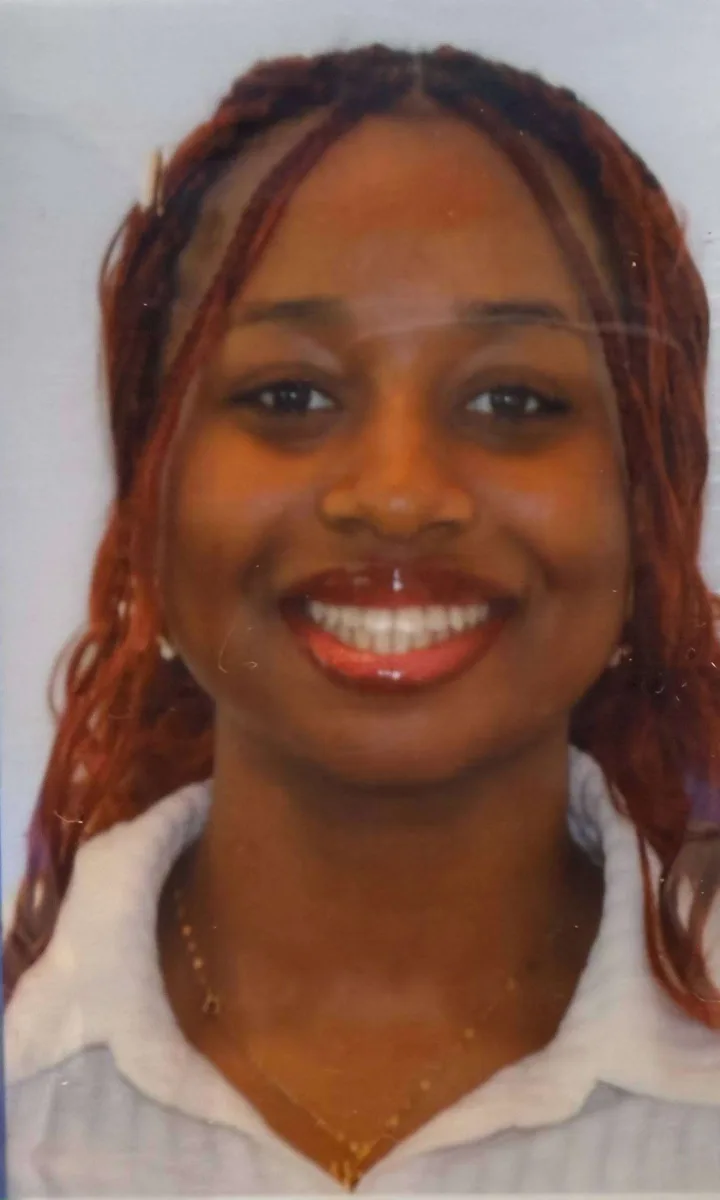
Slow down, you're going to get there
2026 Driver Education Round 1
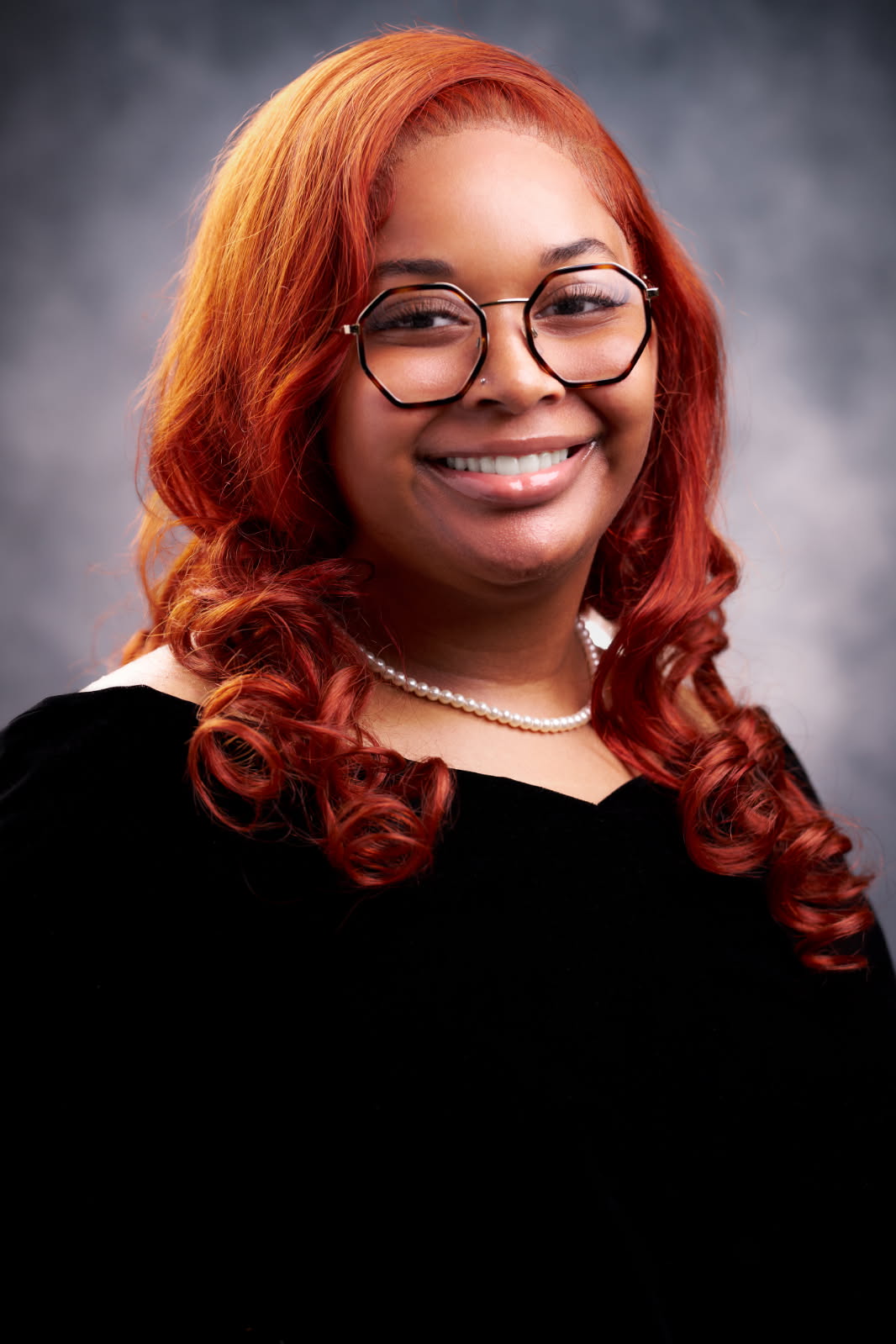
Azsia Duggar
sherwood, AR
Every day, millions of people trust one another on the road. They trust that drivers will obey traffic laws, remain alert, and make responsible decisions behind the wheel. Unfortunately, that trust is often broken when someone chooses to speed or engage in reckless driving. What may seem like saving a few minutes or showing off to friends can quickly become a life-changing tragedy. Speeding and risk-taking are among the leading causes of preventable traffic crashes, and reducing these dangerous behaviors requires personal responsibility, education, and a commitment to protecting everyone on the road.
Many drivers underestimate the dangers of speeding because they believe they have complete control of their vehicles. In reality, speed reduces the amount of time a driver has to react to unexpected situations. Whether it is a child chasing a ball into the street, a vehicle stopping suddenly, or poor weather conditions, every second matters. Even a small increase in speed can mean the difference between stopping safely and causing a devastating collision. Higher speeds also increase the force of impact during a crash, making serious injuries and fatalities far more likely. Speeding also makes it more difficult to steer safely around obstacles or maintain control on curves and wet roads. What may feel like confidence behind the wheel can quickly turn into panic when a driver realizes there is no longer enough time or distance to avoid a crash.
Risk-taking involves more than driving over the speed limit. It includes aggressive lane changes, tailgating, running red lights, racing other vehicles, distracted driving, and ignoring seat belt laws. These behaviors often result from impatience, overconfidence, or peer pressure. Young drivers are especially vulnerable because they are still developing experience and judgment behind the wheel. Some may feel pressure to impress friends or believe that accidents only happen to other people. However, experience cannot overcome the laws of physics, and even one poor decision can have lifelong consequences. Reckless decisions often happen in only a few seconds, yet the consequences can last a lifetime. A driver's license is not just a privilege—it is a responsibility that requires maturity, patience, and respect for everyone else using the road.
Beyond the physical dangers, reckless driving affects entire families and communities. A single crash can leave parents grieving, children without caregivers, and survivors facing years of physical and emotional recovery. First responders, healthcare professionals, and law enforcement officers also witness the devastating aftermath of preventable crashes. The consequences extend far beyond the driver who made the reckless choice. Every unsafe decision has the potential to impact countless innocent lives. Communities also bear financial costs through emergency medical care, property damage, insurance claims, and lost productivity. These ripple effects demonstrate that reckless driving is not simply a personal choice; it is a public safety issue that affects society as a whole.
Preventing speeding and risk-taking begins with individual accountability. Drivers should plan ahead so they are not tempted to rush, maintain safe following distances, and eliminate distractions before starting the vehicle. Simple habits, such as silencing a cell phone, wearing a seat belt, and following posted speed limits, can significantly reduce the likelihood of a crash. Responsible drivers recognize that arriving safely is far more important than arriving a few minutes earlier. Choosing to remain calm in heavy traffic, allowing extra travel time, and resisting the urge to compete with aggressive drivers are simple decisions that can prevent dangerous situations before they develop.
Education is another powerful tool for improving road safety. Driver education programs teach more than the mechanics of operating a vehicle; they emphasize defensive driving, hazard recognition, and sound decision-making. Schools and community organizations can reinforce these lessons through public awareness campaigns that encourage safe driving habits. Parents also have an important role by modeling responsible behavior and discussing the real-life consequences of reckless driving with young drivers before they develop unsafe habits. When young people consistently see adults obeying traffic laws and practicing patience behind the wheel, they are more likely to develop those same habits themselves.
Technology can further support safer driving when used responsibly. Features such as automatic emergency braking, lane departure warnings, blind-spot monitoring, and adaptive cruise control help drivers avoid collisions. However, these systems are designed to assist drivers, not replace them. Safe driving will always depend on a person's judgment, attention, and willingness to make responsible choices behind the wheel. Technology is most effective when combined with drivers who understand that no safety feature can compensate for reckless behavior.
Ultimately, every trip begins with a decision. Drivers can choose patience over impatience, responsibility over recklessness, and safety over unnecessary risk. Speeding may save a few moments, but those moments are never worth risking a life. By respecting speed limits, avoiding dangerous behaviors, and encouraging others to do the same, we can create safer roads for everyone. The true measure of a successful driver is not how fast they reach their destination, but that they arrive safely while helping others do the same. Every safe choice made today helps ensure that more families will be together tomorrow, making our roads stronger, our communities safer, and our future brighter. Every decision matters.
Many drivers underestimate the dangers of speeding because they believe they have complete control of their vehicles. In reality, speed reduces the amount of time a driver has to react to unexpected situations. Whether it is a child chasing a ball into the street, a vehicle stopping suddenly, or poor weather conditions, every second matters. Even a small increase in speed can mean the difference between stopping safely and causing a devastating collision. Higher speeds also increase the force of impact during a crash, making serious injuries and fatalities far more likely. Speeding also makes it more difficult to steer safely around obstacles or maintain control on curves and wet roads. What may feel like confidence behind the wheel can quickly turn into panic when a driver realizes there is no longer enough time or distance to avoid a crash.
Risk-taking involves more than driving over the speed limit. It includes aggressive lane changes, tailgating, running red lights, racing other vehicles, distracted driving, and ignoring seat belt laws. These behaviors often result from impatience, overconfidence, or peer pressure. Young drivers are especially vulnerable because they are still developing experience and judgment behind the wheel. Some may feel pressure to impress friends or believe that accidents only happen to other people. However, experience cannot overcome the laws of physics, and even one poor decision can have lifelong consequences. Reckless decisions often happen in only a few seconds, yet the consequences can last a lifetime. A driver's license is not just a privilege—it is a responsibility that requires maturity, patience, and respect for everyone else using the road.
Beyond the physical dangers, reckless driving affects entire families and communities. A single crash can leave parents grieving, children without caregivers, and survivors facing years of physical and emotional recovery. First responders, healthcare professionals, and law enforcement officers also witness the devastating aftermath of preventable crashes. The consequences extend far beyond the driver who made the reckless choice. Every unsafe decision has the potential to impact countless innocent lives. Communities also bear financial costs through emergency medical care, property damage, insurance claims, and lost productivity. These ripple effects demonstrate that reckless driving is not simply a personal choice; it is a public safety issue that affects society as a whole.
Preventing speeding and risk-taking begins with individual accountability. Drivers should plan ahead so they are not tempted to rush, maintain safe following distances, and eliminate distractions before starting the vehicle. Simple habits, such as silencing a cell phone, wearing a seat belt, and following posted speed limits, can significantly reduce the likelihood of a crash. Responsible drivers recognize that arriving safely is far more important than arriving a few minutes earlier. Choosing to remain calm in heavy traffic, allowing extra travel time, and resisting the urge to compete with aggressive drivers are simple decisions that can prevent dangerous situations before they develop.
Education is another powerful tool for improving road safety. Driver education programs teach more than the mechanics of operating a vehicle; they emphasize defensive driving, hazard recognition, and sound decision-making. Schools and community organizations can reinforce these lessons through public awareness campaigns that encourage safe driving habits. Parents also have an important role by modeling responsible behavior and discussing the real-life consequences of reckless driving with young drivers before they develop unsafe habits. When young people consistently see adults obeying traffic laws and practicing patience behind the wheel, they are more likely to develop those same habits themselves.
Technology can further support safer driving when used responsibly. Features such as automatic emergency braking, lane departure warnings, blind-spot monitoring, and adaptive cruise control help drivers avoid collisions. However, these systems are designed to assist drivers, not replace them. Safe driving will always depend on a person's judgment, attention, and willingness to make responsible choices behind the wheel. Technology is most effective when combined with drivers who understand that no safety feature can compensate for reckless behavior.
Ultimately, every trip begins with a decision. Drivers can choose patience over impatience, responsibility over recklessness, and safety over unnecessary risk. Speeding may save a few moments, but those moments are never worth risking a life. By respecting speed limits, avoiding dangerous behaviors, and encouraging others to do the same, we can create safer roads for everyone. The true measure of a successful driver is not how fast they reach their destination, but that they arrive safely while helping others do the same. Every safe choice made today helps ensure that more families will be together tomorrow, making our roads stronger, our communities safer, and our future brighter. Every decision matters.
Content Disclaimer:
Essays are contributed by users and represent their individual perspectives, not those of this website.