The Invisible Shield: Why Driver Ed and Personal Responsibility are a Matter of Life and Death
2026 Driver Education Round 2
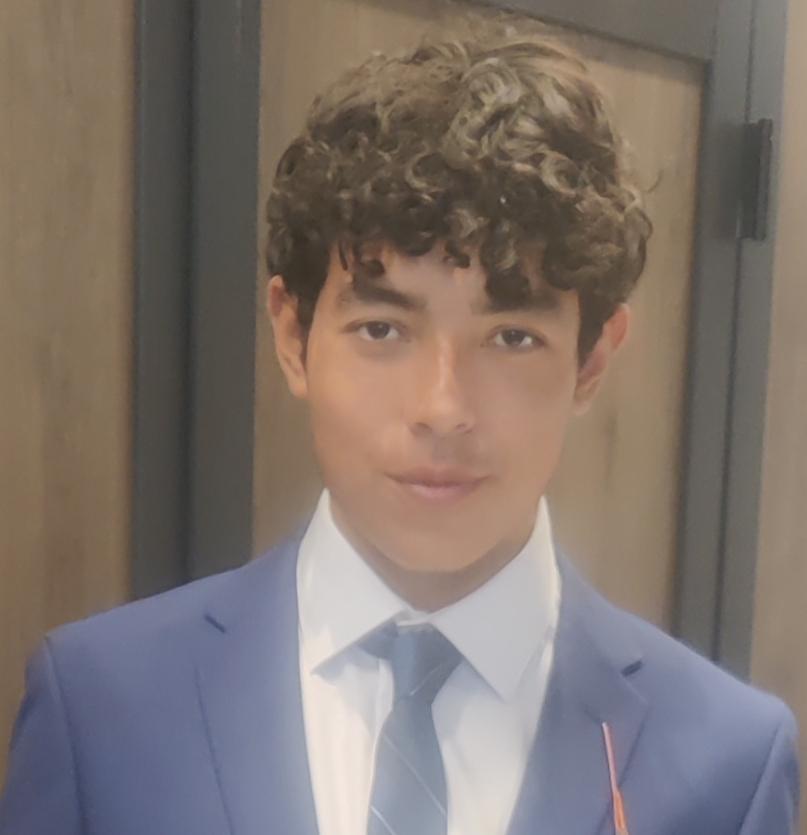
Quinn Rivera
Carson, CA
Getting your driver’s license is usually seen as the ultimate rite of passage. It is that huge milestone that symbolizes freedom, road trips, and finally being independent. But behind all that excitement is a really sobering reality that most of us don't like to think about: driving is easily the most dangerous thing the average person will do every single day. The open road is a place where a single second of distraction, driving just a little too fast, or making a minor mistake can instantly turn a normal drive into a complete tragedy. To keep our roads from becoming absolute disaster zones, comprehensive driver education isn’t just some boring chore you have to check off to get a license; it is the most vital shield we have to save lives.
Why Driver Ed is Such a Big Deal
The real value of driver education is that it completely flips how a new driver looks at the road. Without actual training, most beginners just rely on their intuition. But intuition doesn't work very well when you are dealing with the physics of a two-ton vehicle moving at high speeds. Driver ed provides a smart, structured approach to handling the road. It teaches you things you would never just guess on your own like defensive driving, keeping a safe following distance, managing blind spots, and expecting other drivers to do the unexpected.
On top of that, a good driver ed course completely shatters that dangerous feeling of invincibility that a lot of teenagers have. When you see the actual physics behind a crash and look at how long it really takes a car to stop, you develop a deep respect for the wheel. It trains your brain to spot danger long before it happens like noticing a car swerving a little bit in the next lane or realizing that a bridge might be icy before you drive onto it. An educated driver doesn't just react to a crisis; they drive in a way that keeps the crisis from happening in the first place.
Steps We Need to Take to Save Lives
Fixing this problem on a larger scale means we need to do more than just educate individuals. We need a real game plan that combines laws, technology, and a change in our overall driving culture.
- - Tougher Graduated Licensing Rules: States need to be much stricter with new drivers. This means requiring more supervised driving hours at night and putting a strict cap on how many friends can be in the car during that first year of solo driving. Distraction from friends is a massive reason why teenagers crash, and limiting that saves lives.
- - Strict Laws and Real Enforcement: There should be absolutely zero tolerance for texting or driving under the influence. We need heavier fines, instant license suspensions, and more safety checkpoints. Using speed and red-light cameras in areas with tons of accidents can also force people to slow down.
- - Smarter Roads and Better Tech: Fixing our physical roads is a great way to protect people from human error. Putting rumble strips on highways, adding brighter signs, and swapping dangerous intersections for roundabouts can cut down on high-impact crashes. At the same time, making features like automatic emergency braking standard in all cars can act as a built-in safety net.
A Terrifying Wake-Up Call
All of these statistics and rules became terrifyingly real for me during my freshman year. I was driving home with four of my track meet friends, and we were all riding high on the excitement of the competition, laughing and just enjoying the moment. In a split second, the whole mood inside that car evaporated. The driver suddenly lost control, the vehicle veered completely off course, and before any of us could even process what was happening, the car flipped and went into a full rollover.
Being in a rollover accident is a chaotic, terrifying blur of shattering glass, twisting metal, and a deep, suffocating fear. In those few seconds, you realize that the laws of physics aren't just things you read about in a textbook they are brutal and uncompromising. When the car finally stopped moving, the silence that followed was completely heavy with shock. By some absolute miracle, my track friends and I survived and crawled out of that wreckage alive. But the emotional and mental scars from that rollover have never left me.
Surviving something that intense completely destroys the idea that "it could never happen to me." It made me realize that the line between a fun afternoon and a life-ending tragedy is razor-thin. Seeing my friends the people I trained with, laughed with, and worked hard with every day trapped inside a mangled car forced me to confront the massive responsibility that comes with driving. A car is a heavy machine, not a toy. That rollover was a painful wake-up call that completely changed how I view my duties every time I get behind the wheel.
How I’m Choosing to Drive Simpler and Safer
Ever since that accident, I have made a conscious, daily commitment to being completely accountable when I drive, and I’m working hard to push my peers to do the exact same.
To make sure I’m a safer driver, I have a strict zero-tolerance rule for distractions. Before I even put the car in drive, my phone goes completely out of reach on "Do Not Disturb" mode. I treat driving as something that requires 100 percent of my focus, constantly scanning the road and keeping plenty of space around my car. Also, as a Psychology major, I know exactly how much our emotions affect how we act. I make a deliberate choice never to drive when I am completely exhausted, emotional, or stressed out, because those mental states slow down your reaction times and mess with your judgment.
But keeping myself safe isn't enough; I also have to find the courage to speak up and protect others. Inside the car, I have found my voice. If I am riding shotgun and the person driving picks up their phone, starts speeding, or acts reckless, I don't just sit there silently anymore. I speak up immediately. I’ll offer to navigate, read a text for them, or change the music so their eyes stay locked on the road. Among my track teammates and college friends, I tell my story openly. I use the raw reality of my rollover to remind them that one bad choice behind the wheel can permanently take away their athletic, academic, and personal dreams.
Conclusion
Driver ed gives us the playbook we need to survive on the road, but personal accountability is what actually keeps those rules alive. Surviving that rollover was a profound second chance, and it is something I will never take for granted. By combining bigger institutional changes like better roads and tougher laws with a personal, unwavering commitment to defensive driving, we can actively stop this epidemic of traffic deaths. As a future psychologist, my ultimate goal is to protect and care for human lives, and that mission starts every single time I get into a car, click my seatbelt, and choose to be responsible.
Content Disclaimer:
Essays are contributed by users and represent their individual perspectives, not those of this website.