The Passenger Seat Has No Brake Pedal
2026 Driver Education Round 2
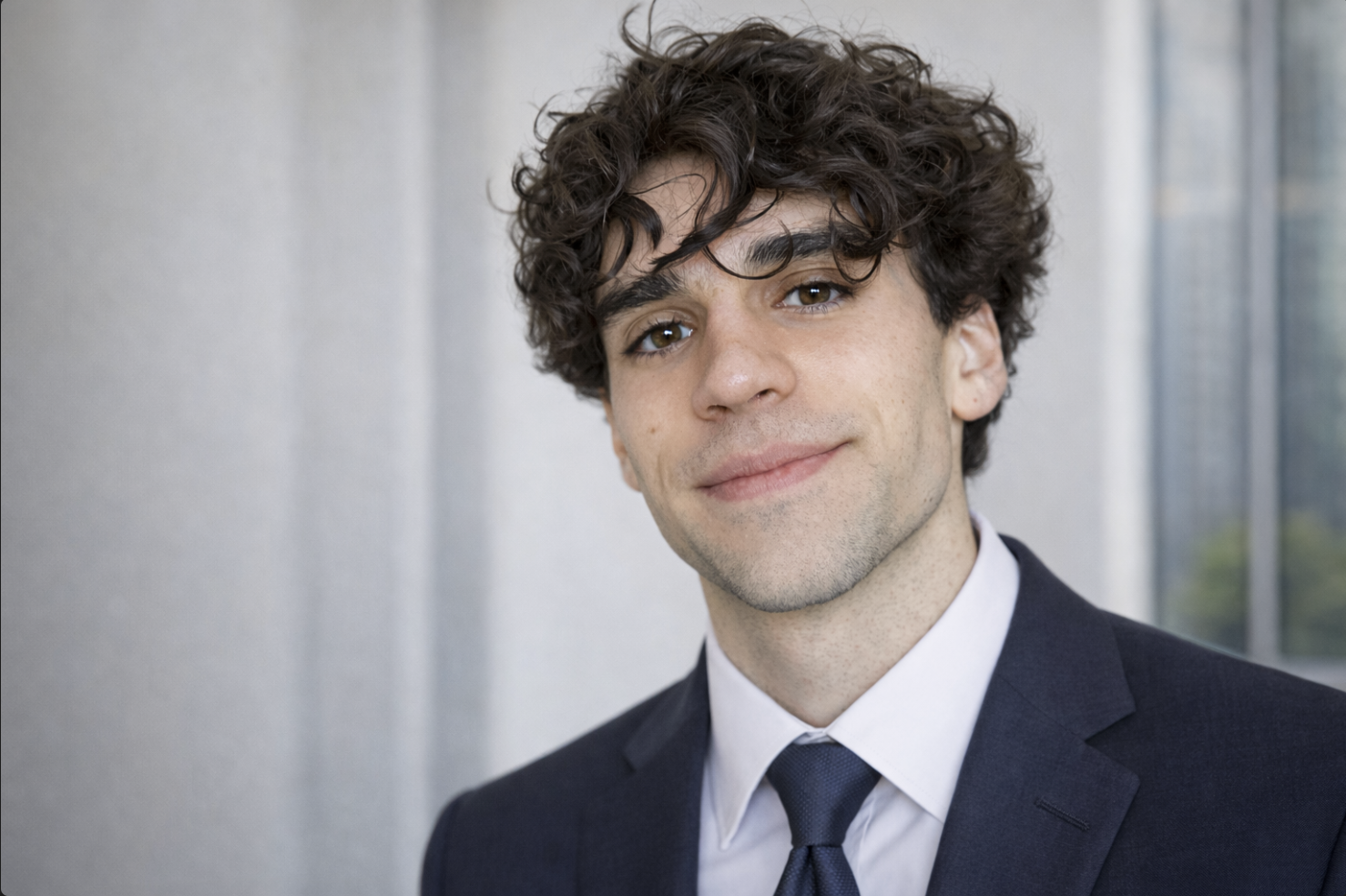
Charles Porterfield
Vineyard Haven, Massachusetts
There is no brake pedal on the passenger side of a car. That sounds obvious, but I think about it differently now than I did in high school. When someone else is driving, you can see the speedometer, watch a curve coming, and feel that the car is moving too fast. Yet the person with the steering wheel is also often your friend. Telling them to slow down can feel more uncomfortable than sitting there and hoping everything turns out fine.
The passenger seat has no brake pedal. It does have a voice. I think driver's education should teach us how to use it.
I grew up on Martha's Vineyard, where the roads are familiar and the community is small. I played high school basketball with a boy named Waylon. When I think of him, I think of somebody I knew through school and our team, not a story about traffic safety. We were supposed to have more time to grow up, see each other around the Island, and go on with our lives.
Waylon died in a car crash. I know he was speeding on a winding road. I wasn't there, and I don't know every circumstance of the crash, so I won't pretend that I can explain exactly what happened. I know enough to understand that he never got the future he should have had, and that his family, friends, teammates, and school were left with something they could not undo.
Before that, I understood speeding in the way most teenagers do. I knew the rule. I knew the warnings. I had heard that cars need more distance to stop when they are traveling faster. But knowing a rule and feeling its importance in everyday decisions are two very different things. After Waylon's death, roads I had traveled for years stopped feeling quite so ordinary.
That's why I believe driver education has to go beyond passing a written test and proving you can park. Those skills matter, but a person can know every road sign and still make a bad decision when friends are in the car, they're running late, or they're confident they know the road. New drivers need practice recognizing risky situations before they turn into emergencies. They need to learn how to slow before a blind curve, how to leave enough following distance, and why a phone notification can wait. They also need to learn how to resist the pressure to make an ordinary drive more exciting than it needs to be.
The National Highway Traffic Safety Administration reports that teen drivers become more likely to engage in risky behavior when riding with teenage peers. That finding shouldn't just make us lecture young drivers about having passengers. It should make us ask what the passengers themselves can do to help. A friend can be a distraction, but a friend can also notice a hazard, handle the directions, or say something when the driver starts taking unnecessary chances.
If I could add one lesson to every driver's education course, it would be a five-minute passenger exercise. Two students would sit in a stationary car or a classroom simulation. One would play the driver who is distracted, rushing, or approaching a winding road too quickly. The other would practice saying something simple and direct: "Could you slow down here?" Or, "I'll handle the GPS. Just watch the road." Or, "We have time. You don't need to hurry." Then they would switch roles.
It might sound awkward, and that's exactly why I think it would work. Most people don't need help understanding that a crash is dangerous. They need to be ready for the ordinary social moment when speaking up feels embarrassing. We practice emergency braking because we hope we'll react correctly when it matters. Why not practice the sentence that might prevent the need to brake in the first place?
I learned another version of that responsibility working on the water. For several summers I worked in municipal harbors, and later I drove a launch boat carrying passengers between shore and their boats. A safe trip wasn't about showing how fast I could make the crossing. It meant paying attention to the conditions, other boats, people boarding, and the fact that passengers were trusting me to get them where they needed to go. Being in control of a vehicle means being responsible for people who don't have the controls.
That is how I try to approach driving now. I pay closer attention to my speed, particularly on curves and unfamiliar roads. I keep my phone out of the task of driving. I leave room for mistakes that other drivers might make, and I am more willing to speak up from the passenger seat when something feels unsafe. I don't believe one person can prevent every crash. Weather, road design, mechanical problems, and other drivers can all create danger. But giving yourself more time to react and refusing unnecessary risks can make a real difference.
We also have ways to make safer behavior easier for everyone. Graduated licensing rules give new drivers experience before exposing them to the most demanding situations. Families can agree that a driver will never be mocked for slowing down or pulling over. Friends can make it normal to set directions and music before leaving. Schools can ask students to practice conversations, not just memorize consequences. The best safety rule is one people can actually use on a random Tuesday night, not one they only remember during an exam.
I sometimes think about what I would say to a younger basketball player if I were coaching him before he got his license. I wouldn't try to scare him with a dramatic speech. I'd tell him that driving is a responsibility to the people sitting beside him and to the strangers he'll never meet. And I'd want him to know that if he ever feels unsafe as a passenger, he is allowed to be the one who makes things awkward.
I cannot change what happened to Waylon. I can remember him as a person, not reduce him to a warning, and let what happened change how I act. To me, that's what good driver education should accomplish. Not simply teaching us what the rules say, but helping us make the safer choice when somebody we care about is in the car.
The passenger seat doesn't have a brake pedal. It shouldn't have to be silent.
Content Disclaimer:
Essays are contributed by users and represent their individual perspectives, not those of this website.