More Than a License: Why Driver Education Is a Life Skill
2026 Driver Education Round 2
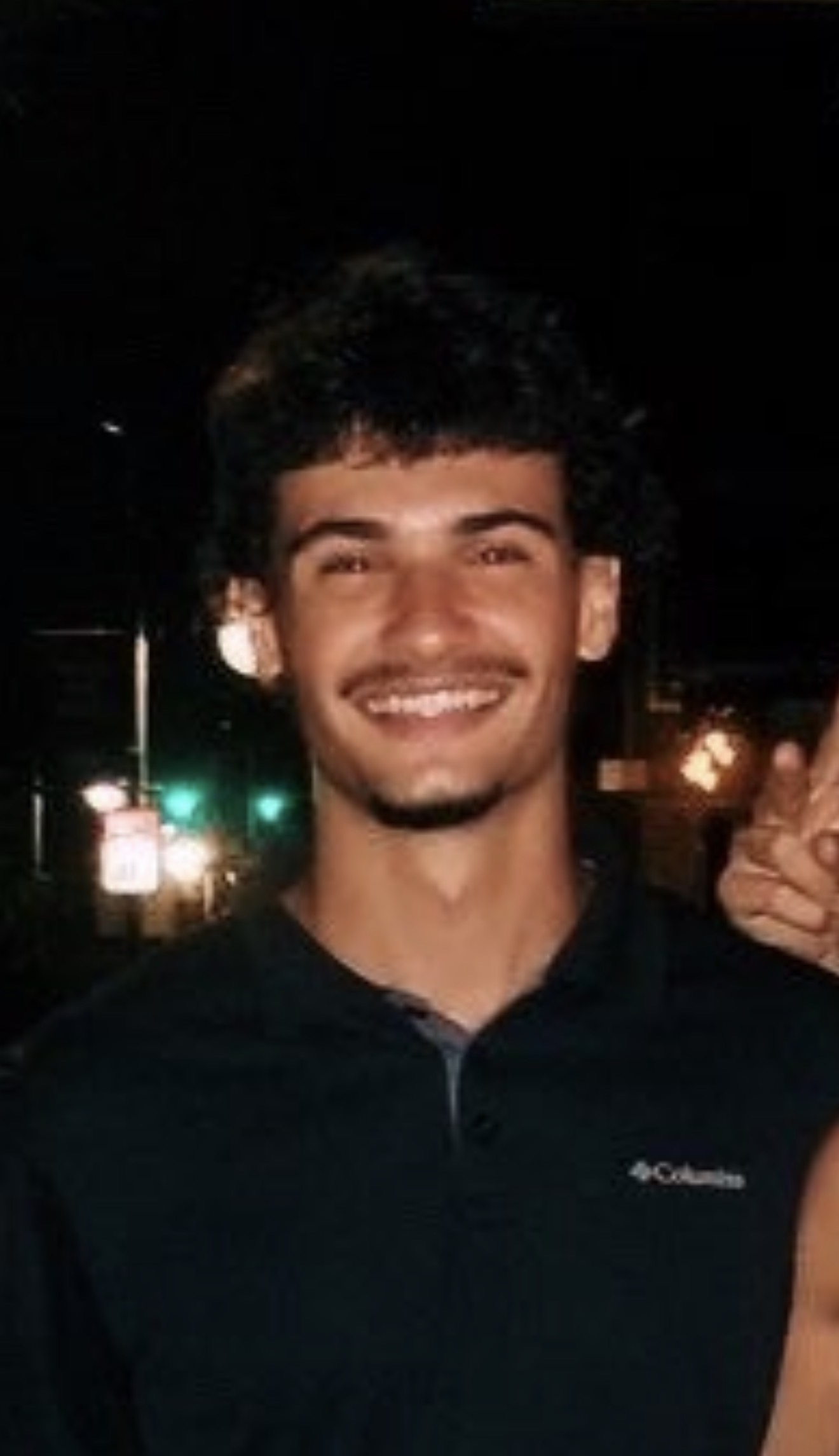
Dylan Katz
Richardson, Texas
Every year, tens of thousands of Americans die on the road. That number is so large that it is easy to stop feeling it. But every one of those deaths was a person who got in a car expecting to arrive somewhere. Most of them were not doing anything unusual. They were driving to work, to school, or home. That is what makes traffic deaths different from most dangers: they happen during the most ordinary moments of our lives. Driver education matters because it is one of the few chances we have to change how people think before they ever take the wheel alone.
Why Driver Education Matters
A new driver does not just need to know the rules. They need to understand that a car is a two-ton machine that can kill someone in a split second. Good driver education teaches both. It teaches the mechanics of driving, like how to merge, how to judge following distance, and how to handle a skid. But it also teaches judgment: when to slow down even if you are under the speed limit, when to let an aggressive driver go, and why a text message is never worth it.
Young drivers are especially at risk. Teen drivers crash at much higher rates than experienced drivers, mostly because they have not yet learned to recognize danger early. Driver education shortens that learning curve. Instead of learning from a near miss or a crash, students can learn from instruction, practice, and the experiences of others. The best programs create drivers who understand risk, not just drivers who can pass a test.
Steps to Reduce Traffic Deaths
Reducing deaths on the road takes action from several directions.
First, driver education should go beyond the basics. Programs should include hazard-perception training, practice driving at night and in bad weather, and lessons on vehicle maintenance, like checking tire tread and brakes. Many young people drive older, cheaper cars, and knowing when a car is unsafe is part of being a safe driver.
Second, we need to take distraction seriously. Phones are designed to grab our attention, and even a few seconds looking down at highway speed means traveling the length of a football field without watching the road. Stronger enforcement of hands-free laws, phone settings that automatically silence notifications while driving, and a culture where friends call each other out for texting behind the wheel would all help.
Third, road design matters. Wider roads encourage speeding, and long gaps between crosswalks push pedestrians to cross in dangerous places. Cities can reduce deaths with protected crossings, better lighting, roundabouts, and speed management on roads where people walk.
Finally, impaired driving still takes far too many lives. Rideshare apps have made it easier than ever to get home safely, and there is no excuse for driving after drinking or using drugs. Education, enforcement, and making safe rides easy and affordable all play a role.
My Experience
My perspective on driving is also shaped by something unusual for someone my age. I have supported myself since I moved out after my freshman year of high school, and one of the ways I have made money is by flipping cars. That means I have driven many different vehicles, each with its own quirks. Driving so many different cars taught me that a safe driver has to pay attention to the car itself, not just the road. It also taught me humility. Every time I got behind the wheel of an unfamiliar car, I had to drive more carefully until I understood it.
What I Can Do
Being a safer driver starts with habits I can control. I put my phone out of reach or on Do Not Disturb before I start driving. I leave extra following distance, especially in unfamiliar cars. I check my tires and lights regularly, and I do not drive when I am exhausted after a late night of work.
I can also help others. When I am with friends, I can be the person who says, "I'll handle the music, you drive," or "Pull over if you need to text." If someone has been drinking, I can make sure they get a ride. As I continue to grow my small business, Vessa Tickets, which helps organizers run small events, I want to encourage event hosts to promote safe rides home for their guests. Small actions like these add up.
Conclusion
Driving is so normal that we forget how dangerous it is. Driver education reminds us. It teaches new drivers to respect the road, understand risk, and take responsibility for everyone around them. I am a first-year business student at Los Angeles Pierce College, and I plan to transfer to a four-year university in Fall 2027. Wherever I end up, I will be driving, and so will millions of other young people. If each of us treats driving as the serious responsibility it is, we can make that number of deaths each year a lot smaller.
Why Driver Education Matters
A new driver does not just need to know the rules. They need to understand that a car is a two-ton machine that can kill someone in a split second. Good driver education teaches both. It teaches the mechanics of driving, like how to merge, how to judge following distance, and how to handle a skid. But it also teaches judgment: when to slow down even if you are under the speed limit, when to let an aggressive driver go, and why a text message is never worth it.
Young drivers are especially at risk. Teen drivers crash at much higher rates than experienced drivers, mostly because they have not yet learned to recognize danger early. Driver education shortens that learning curve. Instead of learning from a near miss or a crash, students can learn from instruction, practice, and the experiences of others. The best programs create drivers who understand risk, not just drivers who can pass a test.
Steps to Reduce Traffic Deaths
Reducing deaths on the road takes action from several directions.
First, driver education should go beyond the basics. Programs should include hazard-perception training, practice driving at night and in bad weather, and lessons on vehicle maintenance, like checking tire tread and brakes. Many young people drive older, cheaper cars, and knowing when a car is unsafe is part of being a safe driver.
Second, we need to take distraction seriously. Phones are designed to grab our attention, and even a few seconds looking down at highway speed means traveling the length of a football field without watching the road. Stronger enforcement of hands-free laws, phone settings that automatically silence notifications while driving, and a culture where friends call each other out for texting behind the wheel would all help.
Third, road design matters. Wider roads encourage speeding, and long gaps between crosswalks push pedestrians to cross in dangerous places. Cities can reduce deaths with protected crossings, better lighting, roundabouts, and speed management on roads where people walk.
Finally, impaired driving still takes far too many lives. Rideshare apps have made it easier than ever to get home safely, and there is no excuse for driving after drinking or using drugs. Education, enforcement, and making safe rides easy and affordable all play a role.
My Experience
My perspective on driving is also shaped by something unusual for someone my age. I have supported myself since I moved out after my freshman year of high school, and one of the ways I have made money is by flipping cars. That means I have driven many different vehicles, each with its own quirks. Driving so many different cars taught me that a safe driver has to pay attention to the car itself, not just the road. It also taught me humility. Every time I got behind the wheel of an unfamiliar car, I had to drive more carefully until I understood it.
What I Can Do
Being a safer driver starts with habits I can control. I put my phone out of reach or on Do Not Disturb before I start driving. I leave extra following distance, especially in unfamiliar cars. I check my tires and lights regularly, and I do not drive when I am exhausted after a late night of work.
I can also help others. When I am with friends, I can be the person who says, "I'll handle the music, you drive," or "Pull over if you need to text." If someone has been drinking, I can make sure they get a ride. As I continue to grow my small business, Vessa Tickets, which helps organizers run small events, I want to encourage event hosts to promote safe rides home for their guests. Small actions like these add up.
Conclusion
Driving is so normal that we forget how dangerous it is. Driver education reminds us. It teaches new drivers to respect the road, understand risk, and take responsibility for everyone around them. I am a first-year business student at Los Angeles Pierce College, and I plan to transfer to a four-year university in Fall 2027. Wherever I end up, I will be driving, and so will millions of other young people. If each of us treats driving as the serious responsibility it is, we can make that number of deaths each year a lot smaller.
Content Disclaimer:
Essays are contributed by users and represent their individual perspectives, not those of this website.