The Curb, Then the Tree
2026 Driver Education Round 2
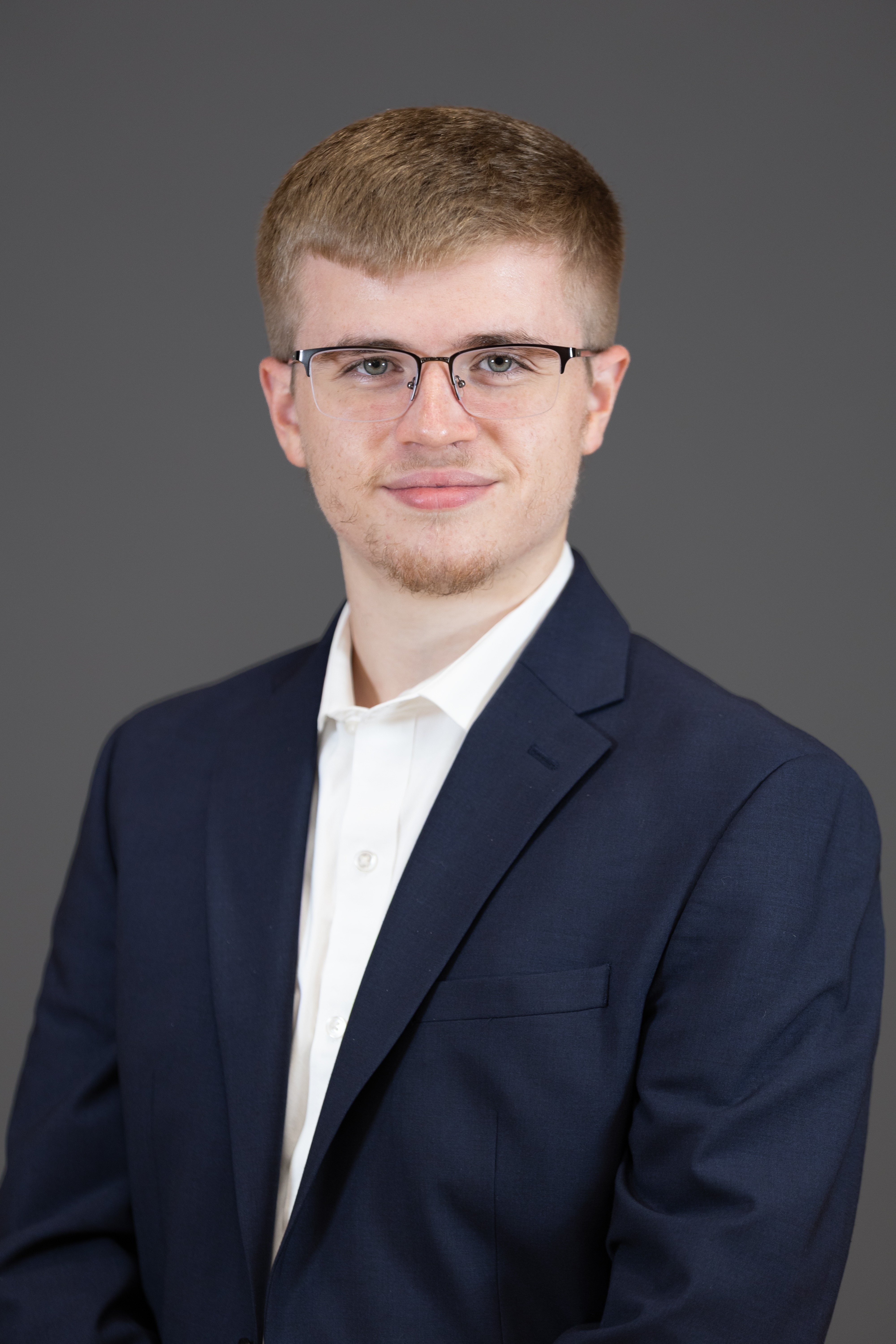
Owen Doyle Rodriguez
South Windsor, CT
It was a late Sunday night at the end of February. A blizzard had formed in what felt like a matter of minutes while my friends and I ate inside our local halal restaurant. Afterwards, three of us piled into one car, with one friend behind the wheel, tasked with dropping us off for the night.
I never made it home in that car.
Two minutes into the drive, my friend at the wheel was on a call with another friend of ours, laughing about nothing and making plans for the next school day. He picked up his phone with one hand, steering with the other, and turned to me.
"Owen, can you find the cord and plug my phone in?"
That was the moment we hit the ice.
The car lurched left, then right, as he fought to recover control. Then it banked hard left one final time, and at forty miles per hour, I watched us lock into a direct collision course with a large tree. In that fraction of a second, I regretted not telling him to put the phone down, but I had grown so used to seeing phones in the hands of friends and family at the wheel that it never registered as dangerous. The curb hit. Then the tree.
When I opened my eyes, all three of us were alive, held in place by seatbelts we had buckled out of habit.
For nearly an hour we stood on the side of the road in the snow. Our friends who had made it home stayed on the phone trying to find us help while the three of us blamed each other for whatever we could think of. Eventually, a kind police officer found us, checked us for injuries, and sent us home with a reminder to be more careful. My mom picked me up without many words that night. I think she saw it in my face.
I was not the one driving, but I was not innocent either. I had seen the phone come up and said nothing. That silence was its own kind of decision, and it was one I resolved never to make again. Once things had settled, the three of us talked it through without the finger-pointing from the roadside, and we agreed that none of us had known better and all of us should have. I have ridden with that friend since, and he drives with a composure I never saw from him before that night.
I earned my learner's permit this year without ever taking a driver's education course. I studied for the permit test on my own and passed on my first try, and as far as I know, my friend who drove that night winged his way through licensing too. The manual taught me what every sign and right-of-way rule means, but nothing in it made me feel what a split second of distraction costs. Driver education reduces deaths by putting those consequences in front of new drivers while their habits are still forming, before they ever have to pay for them. I learned that lesson in a friend's car on an icy road, and I would much rather have learned it at a desk.
Our seatbelts are proof of how well an early habit holds. Buckling up had become automatic for all three of us long before that night, and those belts are why we walked away from that tree. Nobody ever drilled the phone into us the same way. Driver's education should, and schools can help. The high school I attended, South Windsor High School, once brought in a Paralympic athlete to speak about the moment he glanced at his phone at an intersection and collided with another vehicle, killing a mother and her infant daughter and leaving him paralyzed for life. The room was completely still. No poster or statistic has ever produced that kind of silence, because the message had a face and a voice behind it. Talks like his belong throughout the school year, and families have to back them up at home, because a parent who drives distracted sends a louder message than any assembly.
Passengers are part of the answer too. A driver is one set of eyes, fully subject to error, and the people around them are free to notice what the driver might miss. When my friend reached for that phone, someone in that car should have said something. That someone could have been me. Now it always will be.
Across the road from my house is an empty parking lot, left behind when an old temple was demolished years ago, where I have logged almost thirty hours in my mom's car with her supervising from the passenger seat. During one of my first sessions, my phone rang with a spam call, and I picked it up out of pure instinct. My mom caught me, and in my head I could hear my friends from that February night screaming, "What are you doing?!" Since then I drive as if my phone does not exist.
I have also learned not to dwell on what could go wrong once I am on the road. Picturing a crash at every intersection would only leave me afraid of the car. The classroom is the place for consequences. Behind the wheel, my attention belongs on the road in front of me, and I keep myself honest with one question: if I were my mother or my father, would I approve of the way I am driving right now?
My younger brother's birthday is less than a year away, and he has made no secret that he wants his permit. He has ridden along a couple of times while I practiced, and he now tells our mom my driving is almost ideal. When he takes the wheel himself, I want the driver he learned from to be one who drives with care, rather than one who has learned to go through the motions.
That night, I survived because of luck. What I choose to do with that luck moving forward is the part that truly matters.
Content Disclaimer:
Essays are contributed by users and represent their individual perspectives, not those of this website.