2025 Driver Education Round 2
The Truth about Driving
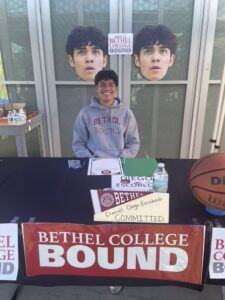
Daniel Diego Escobedo
North Newton, Kansas
Teen driver safety is a significant public issue. When you first get behind the wheel to drive or when you receive your license, the drivers around you are not going to care that you’re new. They're going to expect you to know the rules of the road already; they assume you hold yourself to high standards when it comes to being a safe driver. But as a beginner, you will see that many drivers are impatient. They're going to rush you, they will honk at you, or even cut you off. Other drivers are going to merge lanes without signaling. You will encounter a lot of road ragers on the road as well, and driver's education teaches you all of that and prepares you for what to do in those situations, but you don't believe it until you experience it. So my essay is not meant to scare you; it's here to address what's happening on the road and what you can expect.
Teenagers face numerous challenges on the road, such as distractions from their phones, music, and conversations with friends and family. When I first started driving, I was a strict driver who always maintained the correct speed and avoided going over the speed limit. I didn't listen to music and didn't look at my phone. But I will tell you that there are a lot of distractions even outside the car.
For example, there could be a female or a male who catches your attention, a big billboard, or someone selling fruit on the side of the road. It could be anything, but you have to keep your eyes on the road at all times.
To overcome distractions, peer pressure, or even a lack of experience, you have to practice more. Practice driving anywhere, your old high school area, around a block, an empty parking lot, or in your driveway. In the car, you have to take authority because you're the one who's driving, and you need to be confident and relaxed. When I first started driving, I was nervous and scared. I was so afraid that I thought I would crash when there were no cars around me, but I kept on practicing. And one thing that helped me was driving on the open road. I would drive around my high school area, and there would be no cars around me, and I would drive freely, which built more confidence within myself and in trusting myself behind the wheel. But even if there are no cars around, you still have to remain at the correct speed and keep your eyes on the road.
A personal experience that sticks with me was when I was a new student driver. I had all the student driver magnets covering the car, and I noticed that other drivers don't care if you’re a beginner. They will not respect you, they're going to cut you off, and they're going to honk at you. Now, to prepare for that, you want to remain calm, don't give in to that nervousness, because you are practicing to become a safe and patient driver. Don't be scared of the other drivers around you; be defensive. Another experience I had was encountering a road rager. I was making a right turn at an intersection. It was a red light. I had the right of way, and this car behind me just started honking at me. I was already turning, and they decided to go around me, cut me off, and then flipped me off. So I assert myself, keep driving, and don't worry about that driver because I don’t want to give in to their rage. But that showed me what kind of drivers I will be driving with daily.
To promote safe driving among young people, licensed individuals need to demonstrate safe driving as well. Teaching the youth and any new driver the difference between erratic driving and safe driving. There's no need to rush to get to your destination, and you should be patient. Even if you’re late for work, take your time; you don't want to cause a collision. If you're late to a date with your girlfriend or boyfriend or whoever, take your time. Or needing to use the bathroom after a big meal, be patient, because believe it or not, most collisions happen when we’re driving home because we become too impatient and forget to be safe drivers.
To conclude my essay, I wanted to address what's happening on the road and what you can expect. The truth about driving is that it's not easy; it takes time to learn. Patience is what makes you a better driver; being defensive makes you a better driver. But also being educated on the rules of the road, knowing what you're doing behind the wheel, makes you an even better driver. So be ready for what happens on the road because the road won't wait for you to catch up.
Teenagers face numerous challenges on the road, such as distractions from their phones, music, and conversations with friends and family. When I first started driving, I was a strict driver who always maintained the correct speed and avoided going over the speed limit. I didn't listen to music and didn't look at my phone. But I will tell you that there are a lot of distractions even outside the car.
For example, there could be a female or a male who catches your attention, a big billboard, or someone selling fruit on the side of the road. It could be anything, but you have to keep your eyes on the road at all times.
To overcome distractions, peer pressure, or even a lack of experience, you have to practice more. Practice driving anywhere, your old high school area, around a block, an empty parking lot, or in your driveway. In the car, you have to take authority because you're the one who's driving, and you need to be confident and relaxed. When I first started driving, I was nervous and scared. I was so afraid that I thought I would crash when there were no cars around me, but I kept on practicing. And one thing that helped me was driving on the open road. I would drive around my high school area, and there would be no cars around me, and I would drive freely, which built more confidence within myself and in trusting myself behind the wheel. But even if there are no cars around, you still have to remain at the correct speed and keep your eyes on the road.
A personal experience that sticks with me was when I was a new student driver. I had all the student driver magnets covering the car, and I noticed that other drivers don't care if you’re a beginner. They will not respect you, they're going to cut you off, and they're going to honk at you. Now, to prepare for that, you want to remain calm, don't give in to that nervousness, because you are practicing to become a safe and patient driver. Don't be scared of the other drivers around you; be defensive. Another experience I had was encountering a road rager. I was making a right turn at an intersection. It was a red light. I had the right of way, and this car behind me just started honking at me. I was already turning, and they decided to go around me, cut me off, and then flipped me off. So I assert myself, keep driving, and don't worry about that driver because I don’t want to give in to their rage. But that showed me what kind of drivers I will be driving with daily.
To promote safe driving among young people, licensed individuals need to demonstrate safe driving as well. Teaching the youth and any new driver the difference between erratic driving and safe driving. There's no need to rush to get to your destination, and you should be patient. Even if you’re late for work, take your time; you don't want to cause a collision. If you're late to a date with your girlfriend or boyfriend or whoever, take your time. Or needing to use the bathroom after a big meal, be patient, because believe it or not, most collisions happen when we’re driving home because we become too impatient and forget to be safe drivers.
To conclude my essay, I wanted to address what's happening on the road and what you can expect. The truth about driving is that it's not easy; it takes time to learn. Patience is what makes you a better driver; being defensive makes you a better driver. But also being educated on the rules of the road, knowing what you're doing behind the wheel, makes you an even better driver. So be ready for what happens on the road because the road won't wait for you to catch up.
Content Disclaimer:
Essays are contributed by users and represent their individual perspectives, not those of this website.

0 votes
Bridging Fear with Responsibility: A Reflection on Teen Driver Safety
Michael Beck