Bad Driver Alert
2025 Driver Education Round 1
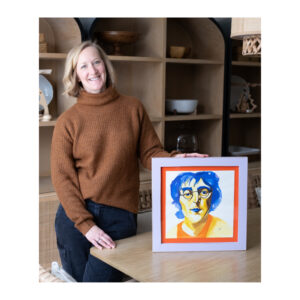
Claire Tanner
Sandy, Utah
I should have known this day would come, a reckoning of sorts. I have never claimed to be a good driver so I am less of a hypocrite than most, but it’s not unreasonable to say I should have never earned my driver’s license at the tender age of sixteen. There are many things that contributed to my subpar performance behind the wheel, namely: my know-it-all attitude; my disinterest in driver education; lack of practice behind the wheel; unfamiliarity with cars in general; and a lackadaisical attitude toward the serious nature of operating a vehicle. Like most teens I treated driving as a right of passage toward independence.
While growing up in Calgary, Alberta during my teen years, driver education was not available through the school system. At that time students signed up for a driving class through a private organization and then started the mandatory classes. Most of the instruction was completed on the weekends. These classes were my first exposure to the rules and regulations of the road. I do not recall much of the instruction, but I vividly remember the graphic videos of car accidents and the consequences of not wearing seat belts. I clearly recall what it looks like when an airbag explodes and the person sitting in the front seat is too small. The sheer force of that impact can cause death or serious injury. In addition, I remember interviews with people who lost loved ones as a result of drunk drivers. This was the first time I actually contemplated that my actions behind the wheel could have serious consequences. Driver education is likely the first place many teens come face to face with the statistics and facts about the dangers of operating a vehicle, and the poor choices which many individuals make. Taking these classes is critical in helping individuals, especially young people, understand the principles and skills of safe driving.
We need an ongoing conversation about how to make driving safer. As technology changes and cars evolve, teenagers continue to drive. With technological advances innovative tools could protect us from ourselves and stop senseless automobile deaths. For example, install a breathalyzer in cars or in personal phones. Then if a person is over the legal limit for alcohol consumption, the car becomes disabled and will not start. Establish a curfew for underage drivers requiring 16-year-old drivers to be home by 11p.m. Raise the age to earn a driver's license to 17. Aftermarket stereos should not be sold to drivers under the age of 20. I believe distractions such as these contribute to motor vehicle deaths and accidents. Many states have laws restricting the use of cell phones while driving; texting and driving also contribute to increased deaths due to distractions. We should continue to enforce laws that punish individuals for engaging in these activities.
I also believe that many individuals drive cars with little knowledge about them, me included. It has taken years for me to learn basic car maintenance and safety. This would be an important skill for any person to acquire before becoming a full-time driver; driver education should include training on these topics which would help individuals respond to a crisis. I prefer that parents spend time with their children to teach them driving skills. The more time a child spends with a parent learning these skills, when possible, the better. I think many teens would feel more confidence in their driving and possess a greater sense of responsibility, If they can demonstrate to their parents that they are trustworthy. Time behind the wheel with an experienced and less reactive driver will help a new driver feel calm when learning how to navigate a vehicle.
I admit that I am a bad driver. That being said, I have tried earnestly to change that. I have been in many accidents. Except all but one, they have been my fault. I attribute each of these accidents to either speed or distracted driving. Every time I felt horrible and took full responsibility for my actions because the accidents were completely avoidable. Luckily, I have never injured anyone seriously, as there is nothing worse than knowing my actions may have caused harm to another person. Typically, I never want to get behind the wheel again after an accident, but that isn’t the answer. I have also been the passenger in a car with a driver who exhibited road rage, which was terrifying. Some of my family members have lost loved ones due to car accidents. There was no justification, other than human error, for these accidents. As a mother, rushing is a normal part of life. That lifestyle contributes to real trouble. I have slowed down significantly, and I don’t allow my emotions to rule my driving. I will usually pull over now if I am feeling upset or if I am on the phone, and especially if I need to text someone. My children are the first to tell me that I don’t know how to use my turn signal properly, and I love a good car dance more than most. Some bad habits are hard to shake. It’s sobering to see one of my daughters behind the wheel because she drives just like me. I recognize that the example I set for her was not the best. However, I am trying to do better now.
Self-improvement doesn’t happen overnight and my journey to be a responsible driver has taken time. I haven’t intended to learn the hard way, but it has taken years for me to pay attention to my driving and to recognize the changes I needed to make. Paying attention to speed has been a huge help as I was often unaware of it. I wasn’t driving unreasonably fast so I didn’t think I was a danger to others. In reality, my control of the vehicle was greatly impaired. I also started to pay attention to my proximity to other cars. What I thought was a reasonable distance was too close to other drivers, and it upset them. I realized that changes were needed. Kindness matters as a driver. Once, when I drove down Little Cottonwood Canyon from a hike, I was nervous. I followed someone too closely and they pulled over to let me pass. They were angry. I realized my error and pulled up alongside their vehicle, rolled my window down, and apologized. I told them I was a nervous driver and not a great one. I explained that I did not mean to follow so closely and was not trying to force them out of my way. Their demeanor changed immediately; we shared a kind exchange and they went ahead of me so I could continue to follow. Kindness matters. Assume the best and let things go. I believe this is one of the best ways we can make the roads safer for each other.
Content Disclaimer:
Essays are contributed by users and represent their individual perspectives, not those of this website.