Drive to Survive - A Soldier’s Wake-Up Call on Road Safety
2024 Driver Education Round 3
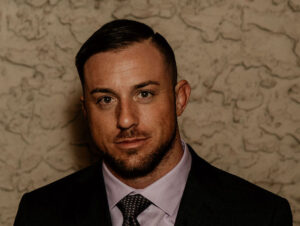
Gary Dylan Miller
Knoxville, Tennessee
I’ll never forget the day I saw someone die in a rollover crash. It was during my time in the US Army, and it changed the way I see driving forever. We were on a convoy exercise, a routine part of our training. The roads were rough, and the terrain was unforgiving, but we were trained to handle it, or at least, we thought we were. One of the drivers, a young soldier and friend of mine, not long out of basic training, was in the lead vehicle. He took a turn too fast, lost control, and the vehicle flipped. In a matter of seconds, what had been a routine exercise turned into a nightmare. We rushed to help, but it was too late. He didn’t make it. (Out of respect for his family, I prefer not to use his name here.)
It was a sobering reminder of how fragile life is and how something as simple as basic driving safety could have prevented his death. That accident was avoidable. If he had been more cautious, if he had slowed down, if he had taken the time to really understand the weight and handling of the vehicle, things could have been different. I would still have my friend here. Basic driving safety isn't something we can take lightly, whether on a military convoy or in everyday life. The consequences of neglecting it can be devastating.
Driver education is critical in reducing the number of deaths caused by driving accidents. Far too often, people take driving for granted, thinking of it as just a routine part of life. But driving is a skill, and like any skill, it requires training, practice, and awareness. In the Army, we were taught to treat every task with precision and care, but even then, accidents happened. I think about how much more dangerous it is on civilian roads, where people can be distracted, reckless, or simply uneducated about safe driving practices.
To reduce the number of deaths related to driving, we need to emphasize the importance of proper driver education. It starts with teaching people not just how to operate a vehicle, but how to respect the road. Drivers need to understand the weight of their responsibility every time they get behind the wheel. In the military, we practiced defensive driving, always thinking a few steps ahead. This same mindset should be applied to civilian driving, anticipating what could go wrong and preparing to prevent it.
There are several steps that can be taken to reduce the number of driving-related deaths. First, mandatory, comprehensive driver education should be standard across the board, with a focus on real-world scenarios that help drivers understand the consequences of speeding, distracted driving, and poor vehicle maintenance. Too often, people think they can multitask behind the wheel, texting, eating, or even just being too casual about the conditions of the road. These small distractions can quickly become deadly. Second, stricter enforcement of traffic laws, especially for reckless and distracted driving, would help curb irresponsible behavior on the road. Lastly, we need to promote the idea that safe driving is a shared responsibility. It’s not just about protecting yourself; it’s about protecting everyone else on the road.
My experience in the Army made me hyper-aware of how easy it is for things to go wrong, and that awareness has stayed with me ever since. After seeing the rollover crash, I became much more cautious. I’ve been in a few minor accidents myself, and every time, it’s reinforced the importance of staying alert and following the rules of the road. I’ve also seen family members and friends drive irresponsibly, speeding when they didn’t need to, texting while driving, or taking unnecessary risks. Each time, I’ve spoken up, because I know what can happen when things go wrong. The loss of my buddy haunts me, and I refuse to let the people I care about make the same mistakes.
To be a better and safer driver, I’ve taken it upon myself to practice defensive driving every time I’m on the road. That means no distractions: no texting, no phone calls, no unnecessary risks. I always keep a safe distance from other vehicles, and I make sure to adjust my speed to the conditions of the road. I’ve learned to respect the power of the vehicle I’m driving and to be aware of its limitations. It’s easy to forget just how much damage a car or truck can cause, but the moment you lose focus, it can all come crashing down. I’ve also made it a point to remind my friends and family to drive safely. Sometimes, all it takes is a gentle reminder to put the phone away, slow down, or focus on the road.
Beyond that, I believe it’s important to lead by example. People tend to mimic the behaviors they see, and if I’m driving safely and responsibly, those around me are more likely to do the same. I try to set a standard of cautious, respectful driving, especially when I’m with younger drivers or friends who are more reckless behind the wheel. I don’t hesitate to speak up if I see someone driving dangerously, because I know how quickly things can turn tragic.
In the end, it comes down to remembering that every time we get behind the wheel, we are taking lives into our hands, our own, our passengers’, and those of everyone else on the road. The rollover crash and nightmare I witnessed in the Army taught me that there’s no room for error when it comes to driving. A single mistake can be fatal, and we have to take that seriously. Driver education, stricter enforcement of safety laws, and a commitment to responsible driving can help reduce the number of deaths on the road. We owe it to ourselves and each other to make sure that we are doing everything we can to drive safely. Because once you’ve seen someone die in an accident that could have been prevented, you understand that there’s no such thing as “just another drive.” Every trip matters, and every decision behind the wheel can be the difference between life and death.
Please, drive safely, for me, for my friend who lost his life serving our country, and for your own family. Every choice behind the wheel matters, and the life you protect could be your own or someone you love.
3
Content Disclaimer:
Essays are contributed by users and represent their individual perspectives, not those of this website.