Driving Change: The Life-Saving Impact of Planning Ahead
2024 Driver Education Round 3
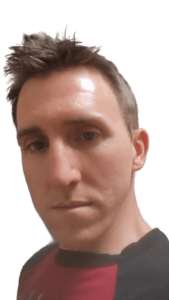
James Jones
Tempe, Arizona
In 2007, a few days after my 28th birthday, I was hit by a drunk, drugged driver. I was at a stop light on South Tacoma Way in Tacoma, WA. The light turned green, I accelerated and then...nothing. Everything went dark. Several weeks later, I finally remembered parts of that day, lying on the hard pavement in the middle of the road, someone holding me down and asking me what day it was. I recalled faint sounds of sirens intermixed with disturbing dreams. I awoke, semi-conscious and in pain, in the hospital and asked where I was. A nurse told me I had been in a traffic accident, was in the hospital, and they were running scans. I asked if I was going to be okay to which the nurse replied, “We don’t know.” I passed out again and woke up later in a hospital room.
After asking the doctor to keep me off pain meds because I didn’t want to be groggy, he informed me, slightly annoyed, that I had already asked him that several times. Besides my broken and mangled hand that had been dragged on the concrete under my van as it slid on its side, I had a broken foot and a major concussion. At one point, the fog lifted enough for me to start thinking clearly again. I asked about the other driver’s condition and was told they were fine. I didn’t find out until later that the person who hit me was at fault and was under the influence.
After my three-day stay in the hospital and a surgery to set my fourth metacarpal, I was released. Since my left hand and right foot were broken, I had to use a walker for several weeks and then, finally, crutches. I underwent vestibular therapy for several months and physical therapy for nearly two years. I had a total of four surgeries and suffer permanent, partial disability. Both my doctor and physical therapist told me I would probably never be able to run again. So, I opted to limp. I limped around the track at my local park in a broken run, in great pain, until I was finally able to start actually running again. Though I have to take special care of my foot before and after each run, I’ve been running ever since.
The woman who hit me and flipped my van, ran from the scene, and left me for dead in the road, was going nearly 70 miles per hour on a city street, fleeing from the police while drunk and high. Had she been stopped, she would have faced consequences for driving impaired, but nowhere near the severe penalties she incurred for fleeing the scene and committing a hit-and-run; illogically, she chose to flee in a dangerous manner. Impaired driving doesn’t just slow reaction time—it distorts judgment and decision-making.
Being safe on the road starts with understanding the rules—and respecting them. Rules are fundamental aspects of safe roadways. Each driver must have a thorough comprehension of how the interactive activity we call driving—which involves millions of interconnected people across the country—functions in order to navigate it safely. Understanding driving as a cooperative engagement is key in keeping others in mind while operating a motor vehicle.
And, no less important, a person must have a willingness to comply with the rules of the road and to humbly accept correction or discipline from local authorities when breaking them, either intentionally or not. Every day people are killed by drunk and impaired drivers. I was one of the fortunate ones who survived, by only a fraction of a second. If the woman had hit my van even half a second later, she would have impacted the driver-side door rather than the front of my van. I would have been dead or much, much worse off than I am now.
According to the National Highway Traffic Safety Administration, over 13,000 people were killed in 2022 from drunk driving alone. Every single one of those people had loves, fears, hopes, and a life of dreams ahead of them. Those individuals could have changed the world in ways we will never know. Their loss is not only to them and their loved ones but to all of us. And, every single one of those tragic deaths was preventable.
By simply planning ahead when going out—whether it’s designating a driver, using public transportation, or calling a Lyft or Uber—we can save over 13,000 lives each year. Impaired judgment, which accompanies impairment of motor functions, can lead to devastating decisions. Planning ahead is not just a precaution, but a life-saving choice, and the positive impact of this simple action would be nothing short of transformative.
Content Disclaimer:
Essays are contributed by users and represent their individual perspectives, not those of this website.


The Importance of Safe Driving: A Personal Journey Toward Awareness and Action
Jasmine Jackson

Driving Towards Safety: The Crucial Role of Education in Reducing Road Fatalities
Laleah Georger


