Driving Responsibly: Lessons from Education and Real-World Experiences
2024 Driver Education Round 3
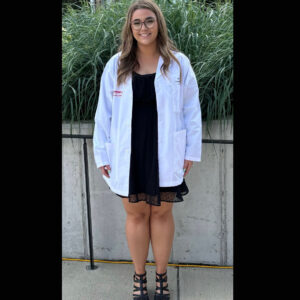
Kayla Kawyn
Buffalo, New York
I’ve always considered myself a cautious driver. I was taught from a young age to pay attention to the road, follow the rules, and always drive defensively. But it wasn’t until I had an unsettling experience with a car accident that I truly understood why those rules exist and why they matter so much.
At 25, I’m currently pursuing a Doctor of Pharmacy (PharmD) degree, which has made me even more aware of how small decisions can affect our health and safety. As a future healthcare professional, I know that the choices we make—whether we’re filling prescriptions or driving a car—can have life-altering consequences. I didn’t fully realize this when I first got my driver’s license, but looking back now, I see how much the education I received early on, and the lessons I’ve learned since, have shaped my driving habits. That initial education, combined with real-world experiences, has reinforced my commitment to being a safe driver, and I believe we all have a responsibility to continue learning, no matter how many miles we’ve driven.
When I first took driver’s ed, I thought it was just a box I needed to check off before I could legally drive. I was 16 and eager to get behind the wheel, and like many teenagers, I didn’t fully appreciate how much I still had to learn. Sure, I understood the basic rules: stop at red lights, buckle up, obey speed limits. But I didn’t fully grasp how easily things could go wrong if I didn’t stay focused or follow those rules.
Driver ed taught me more than just how to drive—it taught me why driving safely is so important. It’s not just about passing a test; it’s about keeping myself and others safe. And as I’ve gotten older, I’ve come to realize that good driver education can save lives. Studies show that teens, who are just starting out, are much more likely to engage in risky driving behaviors like speeding or texting. But those behaviors don’t just stop with teenagers. Even as an adult, I’ve seen drivers make dangerous decisions because they’ve never been taught to think critically about the risks of their actions.
The first time I truly understood this was after I witnessed a friend take a sharp turn while texting, narrowly avoiding a collision with another car. I remember the moment vividly. My heart was racing as I yelled for them to pull over. That was the first time I really thought about how distracted driving can happen to anyone, and how quickly a moment of inattention can turn into something tragic. That moment made me more aware than ever of why driver education is so important—not just for teens, but for everyone.
It’s easy to think of car accidents as just “something that happens,” but they don’t have to. The truth is, most car accidents are preventable, and we have the power to change the statistics. After all, education plays a huge role in reducing fatalities. The more we understand about the dangers on the road and the attitudes we use on the road, the more we can make informed, life-saving decisions.
For one, stricter laws about distracted driving and stronger enforcement of those laws could help. I know that even when I think I’m just checking a text or adjusting the radio, my focus is split, and my reaction time slows. The problem is that most people don’t realize how dangerous these split-second decisions can be until it’s too late. If we were more proactive in educating people about the risks—and if there were stronger consequences for violating those laws; it could make a significant difference.
Education doesn’t stop with drivers, though. It’s also about making sure our communities understand the importance of road safety. For example, campaigns that raise awareness about driving under the influence or the risks of speeding should be more widespread. When I think about the many times I’ve seen drivers speeding on the highway or swerving in and out of lanes, I know that public education is critical. It’s not enough to assume people know better, sometimes they need to be reminded.
Lastly, I believe in the power of technology to help make driving safer. While technology should never replace driver education, it can be a helpful tool in preventing accidents. Features like lane-keeping assist or automatic braking systems can give us that extra level of security, especially during moments of distraction or fatigue.
About three years ago, I was involved in a minor accident where another driver failed to stop at a red light and hit my car. Fortunately, no one was seriously hurt, but the shock of that moment has stayed with me ever since. I remember the feeling of being jolted forward, the screeching of brakes, and the panic as I quickly checked to make sure everyone was okay. It was one of those moments that forces you to realize how fragile life really is, and how quickly things can change.
That accident, though minor, made me think about how little control we actually have on the road. So many factors—speed, alcohol, weather, distractions—can affect the outcome of a drive, and yet most of us go into each trip assuming that nothing will go wrong. I’ve realized that the more we can do to educate ourselves and others, the better off we’ll be.
I’ve also witnessed unsafe driving behaviors in my own circle—friends who drive too fast, or who think they can get away with texting while driving. From working in a hospital outpatient pharmacy, you are constantly seeing people getting discharged from a motor be child accident as well. It’s frustrating because I know these behaviors put not only their own lives at risk but also the lives of others. That’s why I’ve made it a point to speak up when I see someone driving recklessly. I try to encourage my friends to be more responsible on the road, not just for their own safety but for the safety of everyone they encounter.
As I continue my studies in the PharmD program, I’m constantly reminded of the importance of taking responsibility for my actions. In the same way I am committed to caring for the health of others in my future career, I am equally committed to caring for my safety and the safety of those around me when I’m behind the wheel.
Being a better and safer driver means staying focused, no distractions, no excuses. It means buckling my seatbelt every time I get in the car, no matter how short the trip is. It means obeying speed limits, staying alert in bad weather, and never, ever driving under the influence. But it also means spreading the message to others, especially those who may not realize how dangerous their driving habits are. I know I can be a positive influence, just like the driver education programs that helped shape me into the driver I am today.
At the end of the day, driving is a responsibility, not a right. It’s a privilege we sometimes take for granted, but the reality is that the decisions we make behind the wheel can have life-altering consequences. Driver education taught me the basics, but my real-world experiences have deepened my understanding of how important it is to stay safe on the road. Moving forward, I am committed to being a safer driver and helping others become safer too. It’s not just about following the rules, it’s about saving lives.
Content Disclaimer:
Essays are contributed by users and represent their individual perspectives, not those of this website.