Driving with Purpose: Why Teen Driver Safety and Education Matter to Me
2025 Driver Education Round 2
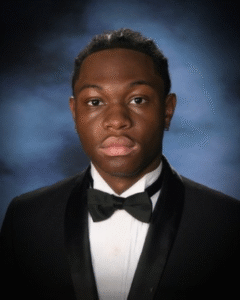
Charlie Martin
Columbus, Georgia
My name is Charlie, and like many other teens, getting my driver’s license was one of the most exciting moments of my life. It felt like freedom—like a door opening to new possibilities. But as I started driving more often, I quickly realized that driving is also a serious responsibility. The more time I spent on the road, the more I noticed how many distractions there are, how easy it is to make a bad decision, and how much there is to learn. Teen driver safety isn’t just something adults talk about—it's something I live every day. And the more I’ve learned, the more I believe that education and safe driving habits are key to keeping people like me safe on the road.
As a teen driver, I’ve seen firsthand how helpful driver’s education can be. Before I started the course, I thought driving was mostly about controlling the car—steering, braking, turning. But once I started learning more, I realized that being a good driver is really about making smart decisions and staying focused. Driver’s ed taught me not only how to follow traffic laws, but also how to avoid risky situations, like driving at night with friends in the car or trying to answer a text at a stoplight. The program opened my eyes to the real dangers on the road and helped me understand how quickly things can go wrong.
Even with education, though, there are still a lot of challenges teen drivers like me face. Distractions are everywhere—phones, music, passengers, and even my own thoughts. It’s easy to get overconfident and think, “I’ve got this,” especially when driving becomes part of your daily routine. But I’ve learned that overconfidence can be dangerous. One moment of looking down at a phone or messing with the radio can lead to a crash. I’ve also felt the pressure to keep up with traffic or drive faster when friends are in the car. That pressure can be hard to ignore, but I’ve learned that being safe is way more important than trying to impress someone.
I remember a specific moment that really drove this home for me. A friend of mine, just a few months older than me, got into an accident late one night. He was driving a few friends home after a school event. The music was loud, everyone was talking, and he missed a stop sign. He wasn’t drinking or texting—but he was distracted. The car was totaled, and one of the passengers ended up in the hospital with a broken leg. Thankfully, everyone recovered, but the accident shook all of us. That night, I realized that even good people can make bad decisions behind the wheel. That accident could have happened to me—or anyone. It made me promise myself that I’d take driving seriously every time I get behind the wheel.
I think promoting teen driver safety is something we all need to take part in—teens, parents, schools, and communities. For me and my friends, it starts with making smart choices. I’ve made it a rule for myself: phone stays on “Do Not Disturb” while I’m driving, and I always wear my seatbelt—no exceptions. I talk with my friends about safe driving, and if someone’s doing something risky, I try to speak up. It can feel awkward, but it’s better to be safe than silent.
Schools can make a big difference too. Driver’s education shouldn’t just be about passing the permit test—it should really focus on why safety matters. Showing real crash stories, having guest speakers like EMTs or crash survivors, and even using simulations can help teens see how real the risks are. I know those kinds of lessons stick with me more than just memorizing facts.
Parents and communities also have a role to play. Parents can set rules, help with practice driving, and most importantly, model safe behavior themselves. Communities can support programs that provide free or low-cost driving lessons, offer safety workshops, and raise awareness about teen driver safety through social media or local events.
In the end, I believe that safe driving starts with strong education and personal responsibility. Being a teen driver has taught me that there’s always more to learn—and that being careful isn’t just about protecting myself, but protecting everyone around me. Every time I get in the car, I remind myself: this isn’t just about getting from point A to point B. It’s about doing it safely, for me, my passengers, and everyone else on the road. If more teens understood that from the start, I think we’d all be better drivers.
Content Disclaimer:
Essays are contributed by users and represent their individual perspectives, not those of this website.