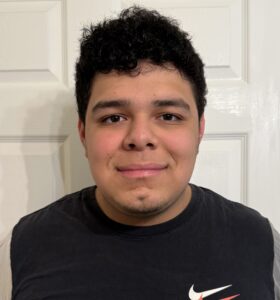
In the Driver’s Seat: My Road to Responsibility and Redemption
2025 Driver Education Round 1

Kevin L. Thompson
Youngstown, OH
Driving is something most people take for granted. It’s just a part of daily life—a way to get from one place to another. But for me, the idea of being behind the wheel represents something much deeper: responsibility, maturity, and second chances. That’s why I’m applying for the Driver Education Initiative Award. I’m not just learning how to drive—I’m learning how to live differently.
The first time I ever got behind the wheel, I was 14. My mother, who had been drinking, gave me money and car keys and told me to drive to the store. I was excited—I mean, what 14-year-old wouldn’t be? But it didn’t take long for reality to hit. I took my eyes off the road for just a second to look at a girl walking by and nearly drove off the road. I swerved onto the shoulder and somehow made it back safely. Nobody got hurt, but I never forgot how quickly things could have gone wrong. That experience stuck with me. It taught me that driving requires more than just the ability to steer—it requires focus, judgment, and the maturity to recognize that a moment’s distraction can have lifelong consequences.
Later in life, I witnessed those consequences firsthand. My mother was once involved in a serious crash caused by driving under the influence. She hit a pole and had to have rods put in her legs. Although she didn’t face major legal consequences, the physical and emotional impact was enough to make her give up drinking for 20 years—and to never again drive after drinking. That crash changed her life, and it shaped mine too. It made the risks of irresponsible driving real and personal.
When I first tried to get my license in my late twenties, my mother tried to teach me how to drive. It didn’t go well. She was stressed, I was distracted, and neither of us knew how to structure the lessons. I even failed my first driving test because I didn’t know where the horn was—a detail I’m sure a professional driving instructor would’ve covered. I passed the second time, but only barely. The examiner told me I shouldn’t drive alone just yet. And honestly, they were right.
Now, as a returning citizen with over a decade away from driving, I’m doing it the right way. I’m planning to take a professional driver’s education course with someone trained to teach, someone with nerves of steel and the skills to help me become a confident, competent driver. I’m also committed to staying on my ADHD medication, which helps me focus, and to being honest with myself about my ability to drive safely. If I’m too tired, too distracted, or just not in a good headspace, I won’t get behind the wheel. I’ll also use tools like Driving Mode on my phone to eliminate distractions before they can happen.
That may seem obvious, but too many drivers—especially young ones—don’t take it seriously. I believe distracted driving is the biggest danger on the road today, and smartphones are a major reason why. When I was released from prison earlier this year, my mom let me borrow her phone for the ride home. It actually asked me if I was driving. That simple prompt stuck with me. It shows that technology can help—if we use it right. In fact, I believe health and auto insurers should team up to sponsor apps that detect driving and disable phone functions unless overridden by a verified passenger. If insurance companies are willing to offer incentives for flu shots, why not reward drivers for staying focused? Prevention is cheaper—and safer—than trauma surgery.
Writing this essay even changed my own behavior. While working on this, I remembered that my brother was driving up from Texas and had been awake for 24 hours. I’d told him to be safe, but hadn’t pushed the issue. Midway through writing, I called him to ask if he’d rested. He told me he had just gotten back on the road after sleeping for a few hours. That moment reminded me that driver safety isn’t just about your own choices—it’s about speaking up for the people you care about. Responsibility is contagious.
I also believe we need to change how we teach driving in the first place. Driver education should be a standard part of public school curricula. Not just the basics, but how to handle poor road conditions, what to do in an emergency, and even some basic vehicle maintenance. And with the help of AI, we could offer supplemental virtual training to give students safe exposure to rare or dangerous situations. This kind of education could save lives—and it’s entirely possible with the technology we have today.
So why do I want this scholarship? Because I’m rebuilding my life and doing it with intention. I’ve been accepted to National University and will start classes this fall in Electrical and Computer Engineering. I want to create real-world solutions—maybe even in the realm of road safety or digital inclusion.
But more than the money, this scholarship would be a symbol of belief. That someone believes I can become a safe driver, a responsible adult, and someone who uses technology and education to build a better future—not just for myself, but for others too. I want to become someone my younger self would be proud of. This is how it starts.
Content Disclaimer:
Essays are contributed by users and represent their individual perspectives, not those of this website.