Just One Quick Second
2025 Driver Education Round 2
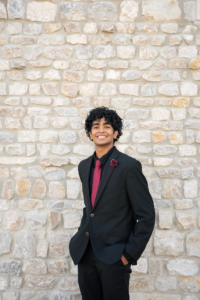
Trinay Ravella
Irving, TX
“Ding…” A bright green notification lights up my screen as I sit at the intersection. My heart skips a beat. I want to look, to reply, but I tell myself to wait. Almost instantly, another, higher‑pitched “Ding” follows. It’s my friends, “Are you on your way to the party?” My mind races as I look for an excuse to reply, I’m just at a red light and it’ll only take a second so it should be ok right?. So I begin to type.
Then the light turns green. Cars surge forward. I grip the phone in one hand, nearly finished with my reply, and I ease left into oncoming traffic. My eyes dart from the road back to the screen… and too late, I see the other car. BOOM. Metal crunches against metal. My airbags deploy, enveloping me in a powdery haze. When the smoke clears, I find my phone on the floorboard, its unfinished message still blinking. That small decision to finish a text before driving caused my first crash, and it cost my family thousands of dollars, countless hours of stress, and weeks of sleepless nights.
Teen driver safety is a pressing public issue, given that automobile accidents remain the number-one killer of teenagers in America. Thorough driver education prepares teen drivers with the skills and knowledge needed to handle potential hazards while operating a car safely. This situation highlights the most common difficulties teen drivers are facing today being cell phone distraction and the social pressure to respond immediately to texts.
Reflecting on that day, I recognize the distracted‑driving habits that led me there:
1.Texting at Stoplights. Even when the car isn’t moving, notifications lure me into thinking a quick reply won’t hurt.
2.Fiddling with Audio and Navigation. Scrolling playlists or tweaking GPS mid‑drive often steals my focus.
3.Mental Distraction. Crafting responses or replaying conversations in my head diverts my attention and slows reaction time.
These seemingly harmless habits almost turned tragic, but I refuse to let them control my time behind the wheel. I needed a plan to make sure I don’t put myself, my family, or other drivers in these perilous and unnecessary situations ever again. When sitting down to think about what I could do I found these were the best steps for me to take:
1.Use “Do Not Disturb” While Driving: Before every trip, I’ll switch on my phone’s driving mode. Incoming texts will trigger automatic replies, letting friends know I’ll get back to them when it’s safe. No more “just one quick look.”
2.Keep My Phone Completely Out of Reach. My phone will live in the glove compartment or locked console. If I need directions or want to change the music, I’ll pull over into a parking space or at the next stop.
3.Use Hands Free Calls for Urgent Matters. I’ll ask anyone who needs to reach me immediately to call instead of text. Even then, I’ll answer only through a bluetooth system, so both hands stay firmly on the wheel.
4.Use My Passengers.When I have company, I’ll ask them to manage audio, climate controls, and map adjustments, freeing me to concentrate fully on driving.
5. Practice Mindful Driving. Each time I start the engine, I’ll remind myself of that first crash: the crack of metal, the blast of the airbags, the sight of my unsent message. I’ll visualize my family’s worry and the financial burden my mistake caused. By acknowledging the real stakes, I can strengthen my resolve to stay focused.
Along with these personal steps, it is essential that societies and schools act too. High schools must partner with local organizations to provide behind-the-wheel sessions with an overemphasis on hazard identification. In addition, community centers should provide interactive simulators that familiarize teens with high-risk distractions in a safe environment. Moreover, driver's education needs to include peer-to-peer classes in which older teen drivers present realistic scenarios, like mine,to illustrate the consequences of risky behavior.
My collision was not the result of a grand, dramatic failure. Much like other disasters, it was a chain of tiny, preventable choices. Texting at a red light seemed innocent until it wasn’t. Adjusting the radio felt routine until it wasn’t. Mentally drafting a response felt harmless until it wasn’t. Now, by adopting these practical strategies, being my: “Do Not Disturb,” out‑of‑reach storage, hands‑free calls, passenger assistance, and mindfulness, I’m breaking the cycle.
I won’t let my next turn be dictated by a notification. I won’t lose focus for the sake of a song or a half‑finished text. Every time I drive, I’m choosing safety over seconds. That choice, I’ve learned, makes all the difference.
Content Disclaimer:
Essays are contributed by users and represent their individual perspectives, not those of this website.