Lessons Beyond the Wheel
2025 Driver Education Round 2
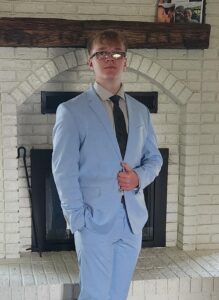
Gavin Barclay
Plattsburg, MO
A foggy Sunday morning changed everything. My cousin Noah, nineteen, drove home from a friend's house. He felt tired, paid little attention, and did not wear his seatbelt - he did not arrive home. His car swerved off a country road, struck a ditch along with flipped. Noah died at the scene. I was thirteen. My mother collapsed in the kitchen after the phone call, and silence stayed in our house for weeks.
That moment formed my understanding of driving. Before then, I saw driving as a step into adulthood, a sign of freedom. I did not know it held great responsibility. Noah's death showed that a small choice, like checking a phone, skipping a seatbelt, or driving while tired, could alter everything.
I believe driver education helps save lives - it teaches more than parking or navigating a four way stop. It teaches awareness, care as well as consequence. For many teenagers, it offers the first formal talk about danger. A good driver's education program builds skills and respect for the road and for human life.
Many young drivers learn by watching others, but not always good examples. I saw it myself. Months after I got my driving permit, I rode with a friend's older brother. He played loud music, texted in addition to drove fast through a neighborhood. I gripped the seat, and my stomach turned with each sharp turn. When we stopped at a gas station, I got out and called my mother to pick me up. That moment taught me that a passenger does not have to feel helpless. Since then, I promised myself I would not stay silent in a car if I felt unsafe.
Driver safety means more than avoiding bad choices - it means building good habits early, before they become natural. I took my own driver education seriously. When I started driving, my mother in addition to I set strict rules - no music above conversation level, no phone use next to no passengers until I drove for six months. We also practiced in all conditions, like heavy rain, fog along with night driving, so I would not feel surprised when they happened in real life - these were not just rules - they were tools for survival.
I also had close calls that showed how fast problems arrive. Last winter, I drove to school in icy conditions. I hit a patch of black ice, and the car began to slide. My heart sank. But because of my training and practice, I did not press the brakes. I eased off the gas, turned into the skid as well as slowly regained control. My hands shook when I pulled into the parking lot, but I knew that a year earlier, without training, I likely would have panicked and crashed.
How can we reduce the number of driving related deaths?
We need to treat driver education as necessary, not optional. In some states, a teenager does not have to take a formal driver's education class. That brings fear. We would not let someone fly a plane or perform surgery without training. Why should we let them operate a large machine on a highway?
We need to talk more about distracted and impaired driving, openly, often in addition to without judgment. Young people do not always react to statistics, but they remember stories. When schools, parents next to communities share real stories of loss, like Noah's, it makes the consequences feel real.
Access matters. Driver's education needs to be affordable and available, especially in rural or low income areas. My family had to plan finances to pay for my private driving lessons because our public school did not offer any. That is not fair. Every student deserves the same chance to learn safely, no matter where they live or what they earn.
As I prepare to get my license and drive on my own, I commit to being more than just a safe driver. I want to be a thoughtful one. That means checking my emotions before I get behind the wheel, choosing rest over rushing, and saying "no" to anything that takes my attention. It also means being honest when I make mistakes so I can learn from them and not repeat them.
Beyond that, I decided to help others do the same. I talked with my younger siblings about the dangers of distracted driving. I shared my story at school events and in FFA officer meetings. I even made a short film for my film club about Noah's story, hoping it would reach people who think "it will not happen to me."
The truth is, it happens to anyone. But it does not have to.
Driver education gave me the tools. Experience gave me wisdom. And loss gave me motivation. I will never forget the lesson Noah's story taught me - not just how fragile life is, but how powerful one choice behind the wheel becomes.
And that is why I sit in the driver's seat, not just of a car, but of my future.
Content Disclaimer:
Essays are contributed by users and represent their individual perspectives, not those of this website.
Blinker in the Dark: How a Near‑Miss, a Miley Cyrus Concert, and a Minivan Full of Family Turned Me Into a Safer Driver Advocate
Emalie Tackett


