Safe driving habits can save lifes:
2025 Driver Education Round 2
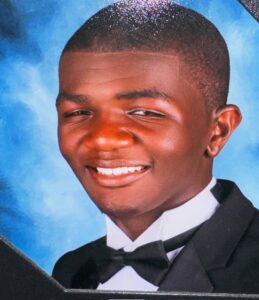
Isaiah Solomon Reaves
Atlanta, GA
While I was growing up, my parents always told me that the very first thing I should do when I got in a car was put on my seatbelt and not just any way, but properly, with the strap across the front part of my body. They weren’t just saying it to nag or because it was a rule. They were trying to protect me. They wanted me to understand from an early age that something as small and simple as a seatbelt could be the difference between life and death. At the time, I didn’t fully understand the seriousness of that advice, but now, as a teen preparing to drive more independently, I realize how necessary and wise those lessons were.
I’ve heard people complain many times about seatbelts saying things like, “It hurts my chest,” or “It’s uncomfortable.” But what many don’t realize is that if you're in an accident, even a minor one like hitting someone from behind, your body is going to lunge forward. In that split second, the only thing preventing you from slamming into the dashboard or windshield or worse, being thrown from the car is that “uncomfortable” seatbelt. It might press into your chest for a moment, but it might also be the one thing that saves your life. That’s a trade-off worth making every time.
In addition to teaching me the importance of wearing my seatbelt, my parents always emphasized how important it is to drive defensively. My mom used to say, “Drive like nobody else on the road cares about your life because most of the time, they don’t.” That stuck with me. They reminded me to always stay in my own lane, to never rush, and to expect the unexpected from other drivers. These weren’t just casual tips. They were warnings, based on their own experiences and concerns about how reckless some people can be on the road, especially when it comes to teen drivers who are new, eager, and often distracted.
A personal experience during my sophomore year of high school really brought these warnings into sharper focus. One of my classmates, someone I didn’t know well, but recognized from school was in a serious car accident just a few blocks from campus. He had recently gotten his license and was driving two friends home after football practice. Reports later revealed that he was speeding, trying to beat a red light. As he rushed through the intersection, another car turned left in front of him. The two vehicles collided violently. One of his passengers wasn’t wearing a seatbelt and was ejected from the car, suffering a traumatic brain injury. The driver broke his leg, and the other friend had to be hospitalized with internal injuries.
That accident shook our entire school community. For the first time, we saw the true consequences of unsafe driving not in a news headline, not in a video during driver’s ed, but right in our own lives. It wasn’t a warning anymore; it was real. Counselors came to school, and our teachers spoke with us about grief, responsibility, and decision-making. It forced us all to look at our own habits or the ones we were about to form and realize that driving is not something to take lightly.
Since then, I’ve made a personal commitment to be the safest driver I can be. I don’t use my phone while driving, not even at red lights. I follow the speed limit, even when other drivers try to pressure me by tailgating or speeding past. I always make sure that everyone in the car is buckled up before I turn the key. These things might seem small, but they build the foundation for a safe driving mindset. It’s not about being overly cautious; it’s about understanding that I’m responsible for my life and the lives of those around me.
And that responsibility doesn’t end with me. I try to be the kind of person who encourages my friends to make safe choices, too. If I see someone about to drive distracted or ignore a seatbelt, I speak up. I know some people think teens won’t listen to other teens, but I’ve found that sometimes we’re the only ones each other will listen to. Our voices matter.
Safe driving isn’t just a list of rules to follow, it's a mindset, a level of maturity, and a decision to respect life. My parents gave me that foundation, and I carry it with me every time I get into a car. I know that not every teen is lucky enough to be taught these lessons early on, which is why I also hope to be an example. This scholarship would support not just my education but my continued efforts to live responsibly, lead by example, and maybe even influence others to think twice before making a risky decision behind the wheel. We don’t get do-overs when it comes to driving. One decision can change everything and I plan to keep making the right ones.
Content Disclaimer:
Essays are contributed by users and represent their individual perspectives, not those of this website.