The Intersection That Opened My Eyes
2025 Driver Education Round 2
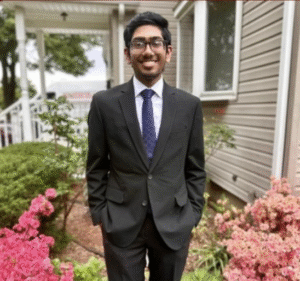
Nevin Roy
Elmwood Park, Nj, Usa, NJ
I will never forget the sudden jolt of impact or the moment my world tilted sideways in an instant. My sister and I were driving home on an ordinary summer afternoon, talking about my SAT prep class as she approached a familiar intersection. The light was green, and she continued through without hesitation. Out of nowhere, a blur came down the cross street: a car speeding well above the limit. Before my sister could brake, the other vehicle clipped our car and sent us spinning slightly to the side. The accident was over in seconds. Our car was damaged, but not totaled, and thankfully no one was injured. But as we pulled over and processed what had just happened, my heart was still racing. Even though the physical impact was minor, the mental impact was lasting. It was my first real reminder that safety on the road can disappear in an instant, even when you’re doing everything right. That day made me nervous to start driving myself. Many of my classmates rushed to get their permits and licenses as soon as they were eligible, but I hesitated. Whenever I pictured myself behind the wheel, I thought about how little control my sister had in that moment and how quickly a normal drive had turned dangerous. It took me a while to build up the confidence to even start learning to drive. When I finally did, I approached every lesson with caution. My hands gripped the wheel tighter than most beginners, and I double-checked every intersection, almost hearing the echo of that near-miss in my head. Over time, I grew more comfortable, but that memory shaped me into a much more careful and defensive driver.
Teen driver safety isn’t just about protecting yourself, but rather a public responsibility. Every decision made behind the wheel affects passengers, pedestrians, and other drivers. While our accident ended with relief, many similar moments don’t. Distracted or reckless driving leads to real tragedies every day, often for the same reasons we experienced: speeding, distraction, and overconfidence. Driver’s education gave me the mechanical skills I needed, from checking mirrors and handling turns to navigating intersections, but it also reinforced my responsibility as a licensed driver. A car isn’t just a way to get from one place to another, but also carries numerous lives in the balance. And no matter how much instruction you get, those lessons only matter if you take them seriously every single time you drive. Teen drivers face many challenges that make safety much more important, with distraction easily being the biggest threat. With constant notifications on our phones and CarPlay, music blaring over the speakers, and lively conversations with friends, so many things can quickly steal a driver’s attention in the blink of an eye. Peer pressure can lead to risky behaviors, like speeding or taking “shortcuts” just to impress passengers or in an effort to save just a few minutes. And inexperience makes everything way harder: when the unexpected happens, new drivers usually don’t know how to react quickly or calmly.
After the accident, I became much more intentional about my own habits. I silence my phone and turn on “Do Not Disturb” mode every time I drive. I double-check intersections even on green lights and actively scan for potential hazards. I also realized how important it is to speak up, whether it’s reminding a friend to put their phone down or asking them to slow down. It’s uncomfortable at first, but the memory of that afternoon reminds me that staying silent is never worth the risk. Still, improving teen driver safety takes more than individual effort: it has to be a community commitment. Schools can help by hosting driving simulations, offering interactive workshops, and inviting first responders or accident survivors to speak about real-life consequences. Communities can enforce graduated licensing laws more strictly, promote awareness campaigns, and recognize safe driving behaviors to encourage positive habits. And teens themselves can hold each other accountable by speaking up and modeling the right behavior behind the wheel.
I often think back to the accident. Even though our car was repaired within a few mildly inconvenient weeks, and life went back to normal, I never forgot about it. It might have delayed my start as a driver, but I’m actually grateful for it. Now, every time I get into my car and start the engine, I carry that lesson with me. I don’t just drive safely for myself, but for my passengers, the drivers around me, and the pedestrians crossing the streets. My experience made me a slower, more thoughtful driver, but also a safer one. Our communities would be far safer to drive through if all drivers had that same mindset.
Content Disclaimer:
Essays are contributed by users and represent their individual perspectives, not those of this website.