The One In The Driver’s Seat
2024 Driver Education Round 3
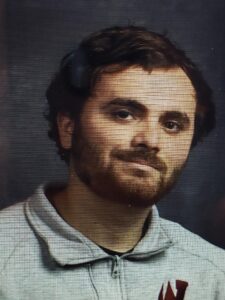
Kristian Walker
Chicago, IL
The car hummed softly as we headed to a birthday party at Chuck E. Cheese. My niece and cousin sat on either side of me in the backseat, their laughter bubbling over as they excitedly talked about pizza and games. It was a normal summer day, full of promise and innocence. As we approached the intersection, the green arrow flickered on, signaling it was our turn to go. What came next remains frozen in my mind
The One In The Driver’s Seat—a moment of devastation that would shape my understanding of what it truly means to be a driver.
A car barreled through the red light, slamming into us with the force of a freight train. Instinct took over as I threw my arms around my niece and cousin, shielding their heads as glass exploded around us. My wrists hit the window with full force, shattering it, sending searing pain shooting through my arms. Blood streamed down my hands, pooling among the broken glass. When the car finally stopped spinning, I was barely conscious, but I saw the wreckage. The other vehicle, packed with teenagers, sat mangled, its occupants slumped over. As the lights faded and I lost consciousness, one thought burned in my mind: how could such reckless drivers, so unprepared for the responsibility of the road, hold such power over our lives?
The Role of Driver Education
Driving is not merely a skill—it is a responsibility that demands preparation, vigilance, and respect for others. Experiences like mine underscore the critical role of driver education in reducing traffic fatalities. Education is the first line of defense against preventable tragedies, providing drivers with the tools to navigate roads safely and responsibly.
However, driver education often focuses on the mechanics of operating a vehicle, neglecting the emotional weight of being behind the wheel. While it’s important to teach parallel parking and road signs, these basics are not enough to prevent accidents. Comprehensive programs must address situational awareness, defensive driving techniques, and the risks of distractions or impaired driving.
Imagine a program where students don virtual reality (VR) headsets to experience real-world scenarios—an oncoming car speeding through a red light or a sudden loss of traction in the rain. These immersive simulations could teach drivers how to react under pressure, preparing them for challenges that textbooks cannot replicate. Such experiences would build skill while embedding respect for the immense responsibility drivers carry. This solution is rather feasible considering the process that pilots go through; that is, their intensive, hour logged, virtual training process in either VR or advanced physical simulations. Studies show that educated drivers are significantly less likely to engage in risky behaviors, making robust education programs a proven method for saving lives.1
Steps to Reduce Driving-Related Deaths
Beyond education, reducing the staggering 34,000 annual driving-related deaths requires systemic changes.2 Enforcement of traffic laws plays a crucial role. Stricter penalties for reckless behaviors, such as speeding or texting while driving, can deter dangerous actions. However, enforcement must extend beyond punishment—it must focus on prevention.
Technological advancements also offer powerful preventative tools. For example, IoT-enabled vehicles can monitor driver behavior, issuing real-time alerts for reckless actions or even disabling vehicles when safety thresholds are breached. With increased self-driving capabilities, dangerous driving can be prevented before it even starts. Advanced driver-assistance systems (ADAS) can intervene to prevent collisions, applying brakes or steering away from obstacles faster than human reflexes. Infrastructure improvements, such as smart intersections that dynamically adjust signals based on traffic patterns, could also reduce accidents in high-risk areas.
Public awareness campaigns should complement these efforts, reshaping cultural attitudes toward driving. Reckless behavior on the road is too often glamorized, especially among younger drivers. Highlighting stories like mine—where a moment of negligence left lasting scars—can shift the narrative, emphasizing the human cost of carelessness.
Lessons from a Crash
The crash I survived left me with permanent scars, but it also gave me a deeper understanding of what it means to be a safe and responsible driver. Every time I start the engine, I am reminded of the lives I hold in my hands—not just my passengers’ but those of everyone I share the road with.
To be a better driver, I start with mindfulness. I put my phone away, obey speed limits, and double-check blind spots. But being a safer driver isn’t just about my actions; it’s about holding others accountable too. When I see friends texting behind the wheel, drinking beforehand, or treating driving like a game, I speak up. Oftentimes, I’ll volunteer to be the Designated Driver if I believe my family or friend’s safety might be in jeopardy. Those conversations are uncomfortable, but I know their importance. It’s not just about protecting them—it’s about protecting everyone on the road.
A Shared Responsibility
Driving is not an isolated activity; it is a communal act, deeply interconnected with the lives and choices of others. The road is a shared space, and its safety depends on collective accountability and consciousness which is only increased through education on the matter. Policymakers must enforce stricter laws and invest in infrastructure that prioritizes safety. Engineers must design vehicles that not only reduce risk but also ensure those features are accessible to all. Most importantly, communities must create cultures of responsibility, where safety is valued above convenience or thrill.
Imagine a future where cars communicate seamlessly with each other, sharing data about traffic patterns and road conditions in real time. Roads equipped with IoT sensors could warn drivers of icy patches ahead or adjust speed limits dynamically based on weather. While these technologies promise a safer future, they must be paired with human accountability. No amount of innovation can replace the responsibility each driver carries.
Conclusion
That crash was a devastating reminder of the fragility of life and the responsibility of driving. It taught me that the privilege of being in the driver’s seat comes with the duty to protect—yourself and everyone else who shares the road.
Through comprehensive education, innovative technology, and a cultural shift toward accountability, we can create a future where roads are safer for all. Every choice we make behind the wheel has the power to save lives or shatter them. Driving is not just about getting from one place to another; it’s about recognizing our responsibility for those we share the road with and the lives we affect with every decision we make.
Content Disclaimer:
Essays are contributed by users and represent their individual perspectives, not those of this website.