The Road to Responsibility: How Driver Education Saves Lives
2024 Driver Education Round 3
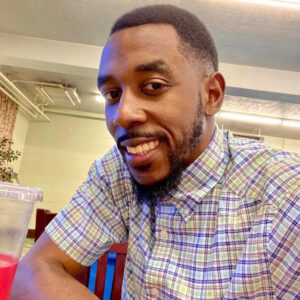
Ceondre Colvin
Hermitage, Pennsylvania
The importance of driving education in reducing the number of deaths as a result of driving cannot be overstated. I know this from personal experience because I was in a near-death car accident that changed my life forever. On August 4, 2016, my life took a sharp turn when, as a passenger in a vehicle, I became part of a devastating crash. We were heading to the University of West Alabama, excited about securing a place to stay for the upcoming school year, never imagining that this simple trip could end in tragedy. But it almost did. The accident left me with a broken jaw in two places, a shattered chin, and four screws that now hold my face together for the rest of my life.
The emotional and physical trauma I went through is something I wouldn’t wish on anyone. Even more than my own pain, I remember the way my little brother cried when he saw me in that condition. His cries were raw, a kind of pain I had never seen in him before, and that moment will forever be etched into my memory. It was a sobering reminder of how quickly life can change in the blink of an eye, and how serious driving can be when not given the attention and caution it deserves.
Driving is not just about getting from one place to another—it’s about responsibility. It’s about protecting your own life, the lives of those in the car with you, and everyone else on the road. Driving education plays a crucial role in making sure people understand this. It goes beyond just learning how to operate a vehicle. It’s about understanding the potential consequences of not paying attention, driving recklessly, or failing to follow the rules of the road.
If the driver in my accident had been more cautious, I might not have the scars I have today. The issue isn’t just knowing how to steer or accelerate—it’s about the choices we make every second behind the wheel. Are we staying focused, keeping our hands on the wheel, and our eyes on the road? Are we following the speed limits, using turn signals, and keeping a safe distance from other vehicles? These seemingly small decisions can be the difference between life and death.
One of the biggest steps that can be taken to reduce the number of deaths related to driving is to ensure that driver education becomes a more immersive and continual process, not something you just go through once to get a license. Sure, we all took driver’s ed in high school, but how much of that information do we actually carry with us once we get our license? Over time, people tend to become complacent, forgetting the importance of things like checking blind spots or not using their phones while driving. These are things we all know, but the reminders can wear off over time.
Incorporating regular refresher courses could make a huge difference. For example, many professions require periodic training to ensure that workers are up-to-date on safety practices—why should driving, which is one of the most dangerous things people do daily, be any different? Regular driver improvement updates could help people remember that every decision on the road carries weight.
Another important step is to advocate for better driving laws and technology. Seatbelts and airbags have saved countless lives, and more advancements like automatic braking systems or lane assist technologies are becoming available. But these technologies can only do so much. It’s the driver behind the wheel who ultimately decides the outcome of most situations. Advocating for stricter laws on things like drunk driving, distracted driving (such as texting or talking on the phone), and enforcing speed limits more rigorously can also save lives. People need to feel the weight of their decisions behind the wheel.
But aside from laws and technology, there’s also a personal responsibility each of us has to make the roads safer. In my case, I wasn’t the one driving during the accident, but that didn’t make the experience any less harrowing. Seeing my family’s reaction to my injuries and going through the healing process made me realize that every time I get in a car, I have a responsibility to not just myself, but to everyone who cares about me. You don’t just risk your own life when you drive poorly you risk breaking the hearts of your loved ones.
So how can we be better and safer drivers? The first step is to take personal accountability for every decision we make on the road. We need to stop rushing. I know it’s easy to feel impatient, especially when you’re running late, but arriving a few minutes earlier is never worth the risk of injury or death. This might sound cliché, but it’s a truth we often forget. We also need to eliminate distractions. Phones, loud music, and even deep conversations can take our attention away from what really matters safely navigating the roads.
Another step is to actively work on becoming more defensive drivers. We can’t control how others drive, but we can control our reactions. Always being aware of your surroundings, keeping a safe distance from other cars, and assuming that other drivers might make mistakes can prevent accidents. Anticipating potential dangers and reacting calmly can often stop a bad situation from becoming worse.
Lastly, we can help others become safer drivers by leading by example. If you have friends or family members who drive irresponsibly, don’t be afraid to speak up. It’s uncomfortable, I know. But those uncomfortable conversations could save lives. You could be the reason someone thinks twice about speeding or using their phone while driving.
Looking back at my own accident, I realize just how fortunate I am to still be here. My life could have ended that day, and I often think about how much my family and friends would have suffered had that been the case. Driver education can prevent that kind of pain. By being educated, aware, and responsible, we can all contribute to reducing the number of lives lost on the road.
Driving is a privilege, not a right. We need to treat it that way—by taking it seriously, being responsible, and constantly working to be better and safer drivers. My scars are a daily reminder of how quickly things can change, and I hope my story serves as a reminder for others to take driver education seriously, not just once, but every time they get behind the wheel.
Content Disclaimer:
Essays are contributed by users and represent their individual perspectives, not those of this website.