The Road to Responsibility is Reflection
2024 Driver Education Round 2
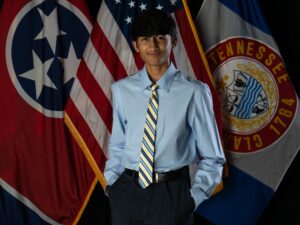
Dev Mukesh Shah
Nashville, Tennessee
I settle into my weathered 2014 Toyota Camry and almost instinctively connect my phone to my car's speaker system. As I merge into traffic, Alice Phoebe Lou's "Open My Door" fills the space. I let out a sigh realizing I selected the wrong playlist. I enjoy that genre of music, but it’s just unsuitable for extended episodes on the road. I’d rather listen to something with a more pronounced tonality like MF Doom or The Smiths, so, without regard for the consequences, I pick up my phone while driving and change the playlist. At the moment, I saw only the ways in which my decision could provide me with enjoyment and monetary bliss. Entrapped by the promise of dopamine and optimism bias, I blindsided myself to the possible horrors I could inflict. I could have hurt myself or worse, hurt someone else. In hindsight, I could have listened to the other music that I still liked, but in the moment I was sightless of the prospect cost of my decision.
This, sadly, is not my only wrongdoing. I periodically check the notifications on my phone, rendering me incapable of reacting for seconds. Even at twenty miles per hour, the speed limit in most residential zones, a car will drive approximately twenty-nine feet in one second, which is more than enough to cause a crash. This is a horrifying realization. Anything can happen in a second. The allure of instant gratification eclipses any rational consideration of the risks involved. It's a stark realization now, but looking back, that these few seconds of distraction could have yielded profound and irreversible consequences.
According to the National Highway Traffic Safety Administration, distracted driving claimed 3,142 lives in 2019 alone. These numbers are not just figures; they represent real people whose lives were cut short due to preventable actions. Understanding the scale of this issue has been a crucial factor in my decision to take proactive steps towards safer driving.
Reflecting on this, I understand the gravity of my actions. I have to respect the safety of myself and others on the road. Recognizing these shortcomings is the first step towards improving my behavior and making safer choices in the future. I understand that I’m not an exception to this and I’m not special. My driving skills in no way invalidate the dangers of distracted driving. I have to do better. Be better.
And I will. I now recognize that the root of my problems with driving is a lack of self-control in the face of instant gratification. My first inclination is to put my phone in Do Not Disturb mode. While this reduces the visual size of notifications and functionally eliminates the noise, I can still grab my phone, press a few buttons, and work around this if I want to. I do not trust myself enough to have the self-control not to do that. Additionally, this “solve” does nothing about my ability to change my music rendering it ineffective. Since the phone’s presence is what instigates my problematic behavior, making the phone unavailable to me is the answer.
Firstly, I will select a playlist that I can enjoy without feeling the need to change it while driving. I'll curate it with tracks that suit my mood for a long drive, ensuring I won't attempt to switch it up while on the road. This should hopefully result in meaningful reductions in my urges to change the songs being played. Secondly, I will place my phone securely in the glove compartment on the passenger side of my car before I start driving. By stowing it away, I eliminate the temptation to check notifications or interact with them while behind the wheel because it is completely out of my arm's reach. These steps are crucial for improving my focus and safety while driving. I want to contribute to a traffic paradigm where I would feel comfortable letting my future children exist. I am determined to foster a traffic environment where I would feel safe and confident allowing my future children to navigate. This means prioritizing attentiveness and responsibility behind the wheel. It's about more than just following rules; it's about cultivating a mindset of respect and consideration for others. Each decision I make while driving, from choosing a playlist that won't distract me to securely stowing my phone, is a step towards creating a safer traffic environment.
I simply refuse to let myself become another statistic. I cannot be yet another teenage driver whose life and legacy are forever terminated by the preventable. That’s what makes this so vital. It is entirely preventable, and thus solvable.
Content Disclaimer:
Essays are contributed by users and represent their individual perspectives, not those of this website.



A Personal Journey highlights the essay's focus on individual experiences
Priya Ananthula


