The Cost of a Glance
2025 Driver Education Round 2
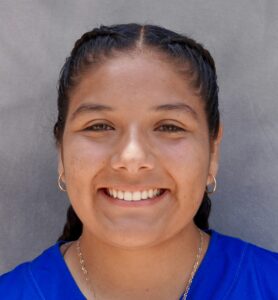
Abigail Lamas Acensio
Los Angeles, California
Teen driver safety isn’t just something adults worry about. It’s something that hits way closer to home than most of us want to admit. Getting a license feels like freedom, like finally having control over your life, but no one really prepares you for how heavy that responsibility is. When you’re young, it’s easy to think bad things only happen to other people. But every time a teen gets behind the wheel, there’s a real chance something could go wrong. One crash, one distraction, one careless choice, that’s all it takes. That’s why driver’s education has to be more than just checking boxes and passing a written test. It should be about preparing us for real situations with real emotions, real pressure, and real consequences because driving is serious and sometimes we don’t realize that until it’s almost too late.
Being a teen driver today comes with way more distractions than people had even ten years ago. Our phones are always going off with texts, Snapchats, music, directions, and it’s hard to ignore it when we’ve grown up being constantly connected. Then there’s peer pressure, where someone in the car is telling you to go faster or turn up the music or do something just for fun. On top of all that, most of us don’t have much experience behind the wheel. We haven’t driven through storms or busy highways or had to slam on the brakes when something jumps out in the road. That kind of experience only comes with time, and sometimes we act like we’ve got it all figured out when we really don’t. The only way to get better is by driving more with people we trust, people who will help us stay calm and learn, not just criticize. And we have to be honest with ourselves. If something is going to distract us or make us drive reckless, we have to be the ones to set limits and stick to them.
There’s one day I’ll never forget. My friend and I were driving to get food after practice, and she was checking Snapchat while we were stopped at a red light. The light turned green, and without even looking, she hit the gas. A car from the cross street ran a red light and almost crashed right into us. I still think about how close we were to getting hit. We just sat there in disbelief, both shaking, realizing how that could have been the end for us. We seriously could’ve lost our lives that day. Both of us are working so hard to play softball in college. We've spent years training, giving up weekends, putting in the extra hours, and in just a few seconds, all of that could’ve been gone. After that, we made a promise to each other to never use our phones for social media while driving because we realized we could’ve thrown away our lifelong hard work for something so pointless. That moment stuck with me, and I carry it every time I drive now. That one mistake, that one second, could’ve cost us everything.
But the truth is, teens can’t do this alone. We need schools and communities to actually help us, not just hand us a worksheet and call it a day. Schools should offer more hands-on learning about driving in real conditions, not just how to pass a test but how to stay calm when things go wrong. We should hear from real people who’ve lived through crashes, who can tell us what it feels like to regret a mistake that can’t be undone. Communities can step up too, maybe offering free classes, car safety checks, or creating ways to reward safe driving instead of just punishing the bad. And parents, we need them to talk to us, not lecture us. Show us what safe driving looks like. Help us practice. Remind us that they trust us but also that they’re scared too because they love us and want us to come home.
Driving isn’t just about moving a car from one place to another. It’s about choices. It’s about responsibility. It’s about learning how to care for yourself and for the lives of others around you. We all make mistakes, and we’re still growing, but we don’t get do-overs when it comes to something like this. I think about that close call often. It made everything real. We can do better if we take it seriously, if we support each other, and if we remember that one choice, one second, can change everything. I don’t ever want to take that risk again. And I don’t want anyone else to either.
Content Disclaimer:
Essays are contributed by users and represent their individual perspectives, not those of this website.