The Importance of Driver Education in Reducing Driving-Related Deaths
2025 Driver Education Round 1
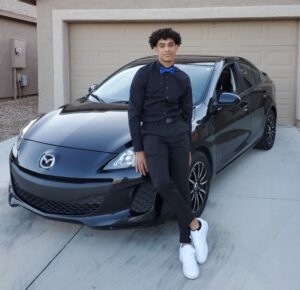
Elias Dario Ferran Gonzalez
Tucson, Arizona
Driving is something most people do every day, but not everyone realizes how dangerous it can be. Every year, thousands of people die in car accidents in the United States. In fact, more people die from driving accidents than in some wars. These facts are shocking, but they show that driving is a serious responsibility. Many of these accidents could be prevented if drivers were more educated and aware of the risks.
I love cars and motorcycles, so I’ve learned firsthand how important it is to be a safe and responsible driver. I own a Mazda Miata, a Kawasaki ZX6R motorcycle, and a Ford Excursion. Since I drive different kinds of vehicles, I’ve learned that the road can be risky, especially for motorcyclists. This awareness made me take steps to improve my driving, like taking a course to become a better rider. I also made a pledge to not text and drive because I know how dangerous distractions can be. By learning more about driving, following safer habits, and encouraging others to be responsible, we can reduce the number of deaths caused by driving.
A big reason car accident happen is that many drivers don’t fully understand how dangerous driving can be. This is especially true for new drivers, who may not have enough experience to handle difficult situations on the road. That’s why driver education is so important—it teaches people how to react in emergencies, drive safely, and avoid risky behaviors.
Taking driver education courses can help improve safety on the road. When I decided to get my motorcycle license, I took a course, which taught me useful skills like how to recognize dangers and how to stop quickly in an emergency. This training made me feel more confident and prepared on the road, and it helped me understand the special risks that motorcyclists face. If more people took courses like this, they would be better prepared to handle real-life driving situations and could prevent many accidents.
There are several ways to reduce the number of deaths caused by driving. First, improving driver education is important. Many people only learn the basics needed to pass the driving test, but they don’t get extra training to improve their skills. Encouraging drivers to take defensive driving courses or other training could help them stay safer and more aware on the road.
Second, stronger traffic laws and better enforcement can stop reckless driving behaviors like speeding, drunk driving, and texting while driving. Texting while driving is one of the main causes of accidents, but many drivers still do it. I’ve seen my friends texting and driving, and I always remind them how dangerous it is. Stricter penalties for distracted driving could encourage people to keep their phones away while driving.
Third, technology can help make driving safer. Many newer cars have features like automatic emergency braking, lane departure warnings, and blind-spot detection, all of which help prevent accidents. Motorcyclists can also stay safer by wearing the right protective gear, like helmets and jackets. As technology improves, more safety features should become standard in all vehicles to help save lives.
Even though I’ve never been in a car accident, I’ve had some close calls on my motorcycle because of drivers who weren’t paying attention. Motorcycles are small and harder to see, so drivers who aren’t careful can put riders in danger. I’ve had cars merge into my lane without checking, which forced me to react quickly to avoid a crash. These experiences have shown me how important it is for drivers to be aware of their surroundings.
I’ve also seen my friends texting and driving. Some people think they can send a quick text without any problems, but even looking at your phone for a second can be deadly. That’s why I made a pledge not to text and drive, and I try to encourage my friends to do the same. A simple change, like putting the phone down while driving, can save lives.
To be a better and safer driver, I take several steps to improve my skills and avoid distractions. First, I make sure to stay focused on the road at all times. This means not using my phone, avoiding distractions, and always looking around for any potential dangers. Second, I keep learning safe driving techniques. Taking the course helped me become a better motorcyclist, and I believe all drivers should get extra training, not just rely on what they learned to pass the driving test.
I also try to help others drive more safely by setting a good example. I always wear my seatbelt, follow traffic laws, and remind my friends not to text and drive. If I see someone driving recklessly, I speak up because I know that one bad decision can lead to serious consequences.
Driving isn’t just a privilege—it’s a responsibility that affects everyone on the road. Every year, thousands of people die in car accidents, many of which could have been prevented with better education and safer driving habits. I’ve taken steps to be a better driver by completing the course, making a pledge not to text and drive, and staying aware of my surroundings. I also try to encourage my friends to drive more responsibly.
By improving driver education, enforcing stronger traffic laws, and using technology to make driving safer, we can reduce accidents and save lives. Ultimately, every driver has a choice to be responsible or reckless, and those choices can make the difference between life and death. If more people took driving seriously and made safer decisions, our roads would be much safer for everyone.
Content Disclaimer:
Essays are contributed by users and represent their individual perspectives, not those of this website.


The Contribution of Driver Training towards the Decrease in Occurrence of Death while Driving
Macie Nieman