
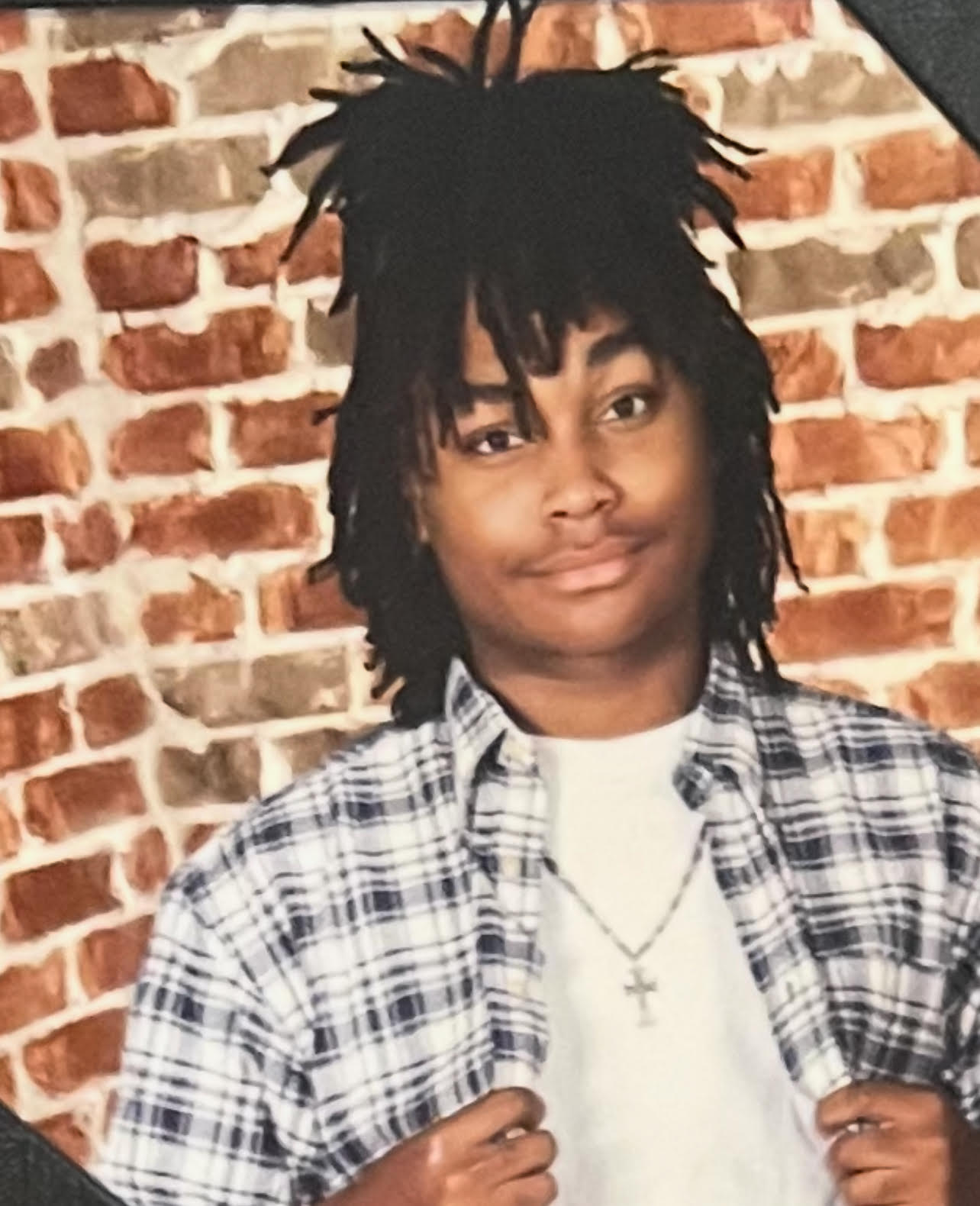
Name: Mason Latimore
From: STOCKBRIDGE, GA
Votes: 40
In my opinion, impaired driving means operating a vehicle when your ability to think clearly, react quickly, or make responsible decisions is weakened by distractions, exhaustion, alcohol, drugs, or anything that makes you unsafe behind the wheel. When I was younger, I assumed impaired driving only meant drunk driving. After taking driver’s education and experiencing real incidents in my own family, I understand now that impairment can look like many things. I think it is often misunderstood because people convince themselves they are “okay,” even when their judgment is clearly affected.
The most common forms of impairment I see today are texting and driving, fatigue, and driving under the influence. Texting is especially common among teenagers. We are so used to having our phones in our hands that many people do not even think twice about glancing down. Fatigue is another form of impairment that gets ignored, even though it slows reaction time and affects decision-making. Alcohol and drugs obviously impair drivers as well, altering judgment, coordination, and awareness.
Impaired driving became personal to me twice in life.
The first was in 2024, when my 79-year-old grandmother was hit head-on by a speeding, impaired driver. She was simply on her way to pick me and my sister up. She did nothing wrong. She was an innocent senior citizen who got hurt because someone else made a reckless decision. She survived, but the accident injured her and changed everything I believed about road safety. The fear I felt that day will stay with me forever. It terrified me to know that someone who loves me, and who has always done everything right, could have lost her life because another driver chose to be irresponsible.
The second incident happened in August of this year, when I was rear-ended at a red light by another student from my high school. He admitted that he had looked down at his phone to respond to a message. He hit me so hard that my car was totaled. Losing my car has made school, work, and baseball practices extremely difficult. I am now trying to find new transportation, but it has been challenging for me and my family. That crash made impaired driving feel even more real. It showed me how fast a single distraction can change someone’s entire life.
When I was 15 years old, I also was offered a scholarship through the State of Georgia to take a defensive driving course before getting my driver’s license. That class taught me skills every driver should know—how to anticipate hazards, avoid dangerous situations, and protect myself from other drivers’ mistakes. What I learned in that course helped me understand that safe driving is not just about following the law. It is about staying alert, thinking ahead, and making choices that protect everyone on the road.
My mother and grandmother have also taught me defensive driving firsthand. My mother taught me to scan ahead, leave space, and never trust that other drivers will do the right thing. My grandmother taught me patience, calmness, and how to stay steady behind the wheel. Their lessons feel even more meaningful now, especially after both of us have experienced crashes caused by impaired drivers.
I also know friends my age who have driven under the influence or thought they were “fine enough” to drive. Whenever that happens, I try to encourage them to stop, hand over their keys, or let someone else drive. I offer rides when I can because I have seen the damage impaired driving can cause. I know that sometimes a friend speaking up can prevent something life-changing from happening.
Driver’s education and traffic safety programs can help prevent impaired driving because they teach real-life consequences, not just rules. The videos, testimonies, and hands-on demonstrations made the dangers feel real in a way that simple lectures never could. These programs help young drivers connect their decisions to actual outcomes, which is what creates lasting behavior change.
I believe I have a responsibility to prevent impaired driving by being a safe, alert, and responsible driver myself. My defensive driving training, the accident I experienced, my grandmother’s crash, and the risky decisions I have seen others make have all shaped the way I drive today. Every time I get behind the wheel, I think about how fragile life is and how quickly it can change.
Impaired driving is preventable. The more awareness, education, and responsibility we create, the more lives we can protect. I am committed to doing my part—every time I drive.
