Four Words Too Many
2025 Driver Education Round 3
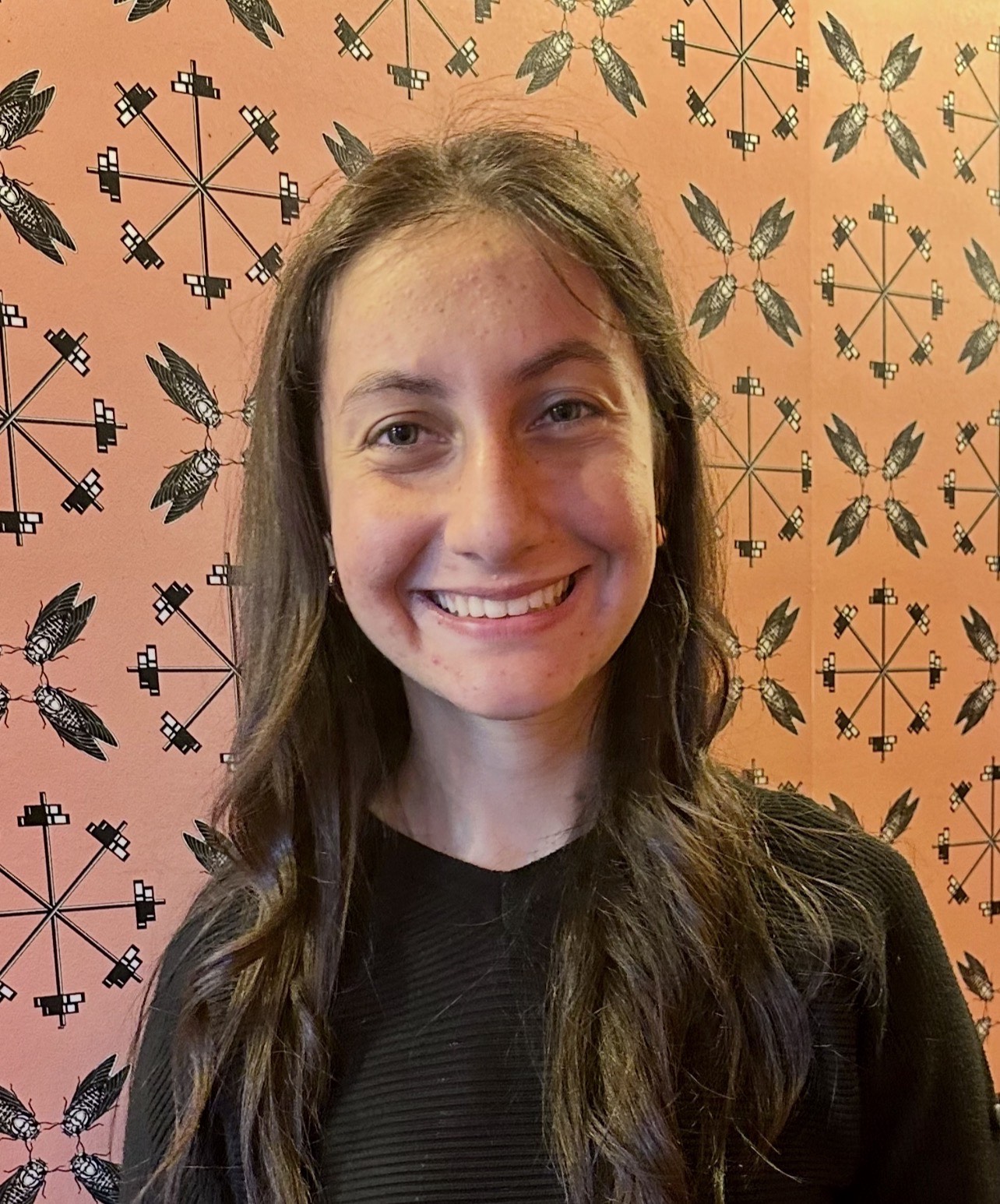
Delaney Shamaya
Spring Valley, California
The last text my cousin ever tried to read was four words long. Those four words put him in a coma, stole his independence, and almost took his life. Before that night, impaired driving was just something I heard about in driver’s education videos or statistics on the news. I never imagined that a quiet two-land road and a simple notification would be the beginning of the most painful chapter our family has ever lived through.
Most teenagers think impaired driving only refers to alcohol or drugs. To me, impairment means ANYTHING that limits a driver’s full ability to think, react, or focus. It can be texting, eating, changing music, speeding, driving while tired, or being emotionally overwhelmed. Many drivers believe that if they are sober, they are safe, but distracted driving kills. The National Highway Traffic Safety Administration reports that looking down at a text for just five seconds while traveling 55 miles per hour is equal to driving across the length of a football field without looking at the road. Those seconds can erase entire futures.
My cousin was driving home after a long shift at work. He was tired and ready to go home. His phone buzzed with a message from a friend, and he looked down long enough to read it. In those seconds, his car drifted out of the lane. When he tried to pull the wheel back, the car spun and slammed into a tree. The crash was so severe that paramedics had to cut through metal to reach him. When our family received the phone call, the only information they could give us was that he was alive, but in critical condition.
His injuries were life threatening. He had a severe closed head injury, six fractured ribs, and internal bleeding that required two emergency surgeries. Doctors placed him in a medically induced coma and connected him to a ventilator. For two months machines breathed for him while our family held onto hope. Seeing someone I cared about this deeply was almost unbearable. He is not just my cousin. He is like a brother to me, and watching him lie in a hospital bed, unable to speak or move, changed me forever. Every day we stood by his bed, hoping he would wake up and recognize us. At one point, his phone received another message from the same friend who had texted him the night of the crash. The message asked if he made it home. He never answered.
The Centers for Disease Control and Prevention reports that nine people in the United States die every day due to distracted driving, and more than one thousand are injured. I used to hear those statistics and let them fade into the background. Now those numbers feel personal. Behind each number is a family just like mine, sitting in a waiting room and praying for a miracle.
When my cousin finally woke up, his life had changed completely. He had to relearn how to walk, talk, swallow, lift objects, and control fine motor movements. Four months into rehabilitation, he is still fighting for every step and every word. His days are filled with physical therapy, occupational therapy, and speech therapy. Something as simple as tying his shoes takes concentration and effort. One text took away his independence and the life he expected to have as a twenty-year-old.
This experience changed the way I think about driving. I used to keep my phone beside me in the car, either in the cup holder or in my lap. Now I place it in the back seat where I can’t reach it. If I can’t reach it, I can’t be tempted to look at it. When I ride with my friends or family, I speak up if they grab their phone while driving. I’m not embarrassed to say something. Someone being annoyed is nothing compared to someone being gone forever.
My driver’s education teacher also influenced my beliefs about safe driving. He was a retired police officer who lost his own son to a texting and driving crash. He told our class that he had responded to many collisions throughout his career, but nothing compared to finding out his child was one of the victims. His voice shook when he said that a seatbelt couldn’t save his son from a distraction. That lesson stayed with me long after the class ended.
Impairment comes in many different forms. A tired driver can be as dangerous as a drunk one. Emotional driving can limit judgement. Friends who encourage risky behavior in the car can distract the driver. Even eating, holding a drink, or changing a song can take attention away long enough for a tragedy to happen. The danger isn’t that teens don’t know it’s risky. The danger is that many believe it will not happen to them.
Education is one of the strongest ways to prevent impaired driving. Driver’s education programs should include real stories, demonstrations, and speakers who have survived or lost loved ones. When students see the human cost, the lesson stays with them. Safety courses teach more than rules and fines. They teach responsibility, awareness, and lifesaving choices.
I also have a personal responsibility to prevent impaired driving. I refuse to let friends drive distracted. I encourage people to use “Do Not Disturb While Driving.” I offer rides to anyone who feels tired or overwhelmed. One person choosing to be safe can protect everyone on the road.
My cousin’s story changed more than the way I drive. It changed the way I value life. I learned how fast everything can disappear and how long recovery can take. Every time I get in the car, I know that I am responsible not only for myself but for every person around me.
Impaired driving is not just a statistic. It is a hospital room. It is a ventilator breathing for someone who can no longer breathe on their own. It is a family sitting in silence and praying for a miracle. It is months of therapy, lost birthdays, and futures that may never look the same.
So, when I fasten my seatbelt, I think about the text that changed everything. I think about the silence in that waiting room. I think about the message that went unanswered. And I think about the name that reminds me why I keep my phone out of reach and my eyes on the road.
His name is Eli.
He is the reason I will never look away.
Content Disclaimer:
Essays are contributed by users and represent their individual perspectives, not those of this website.