
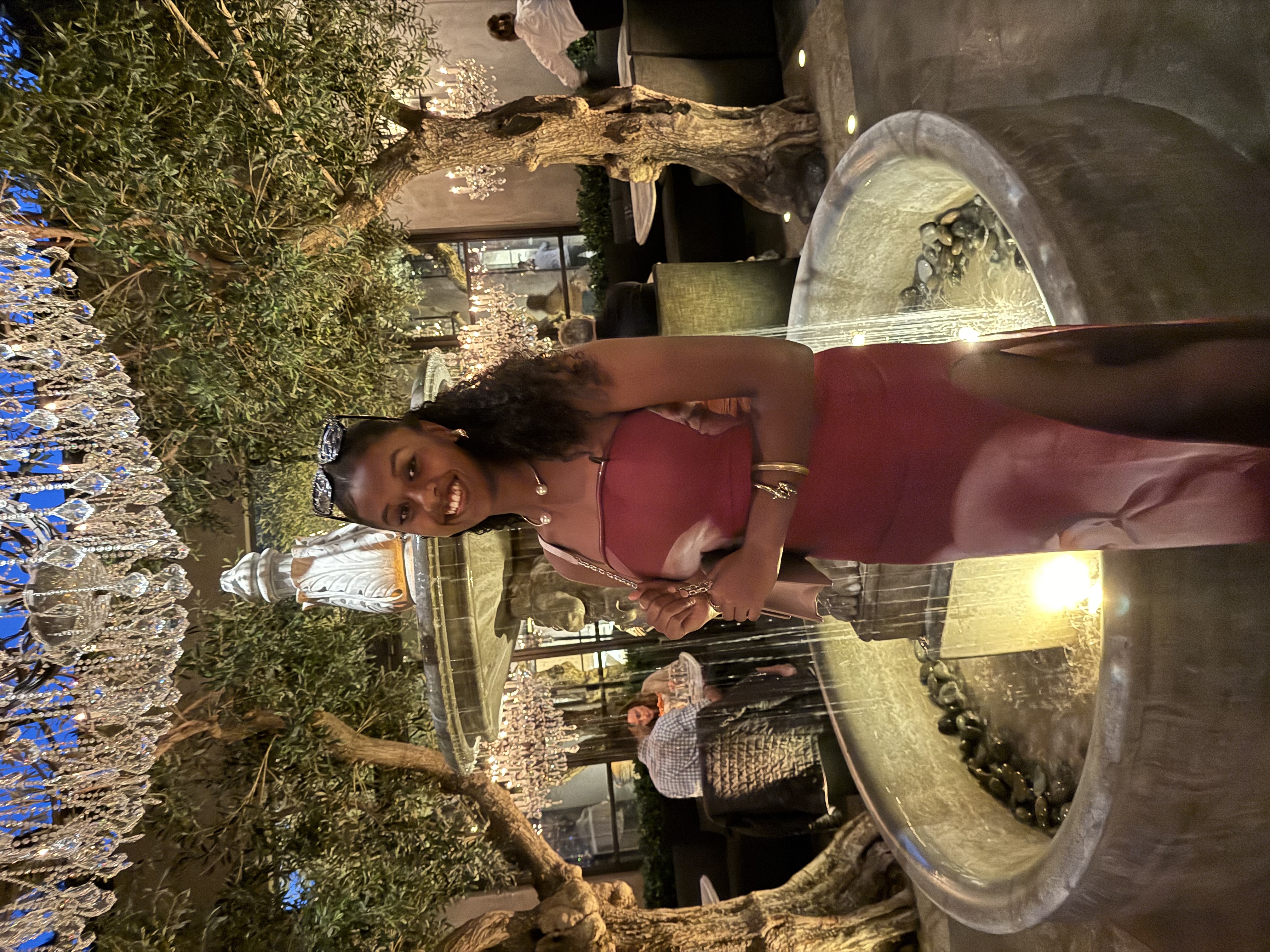
Name: Saron Tadeos
From: Davis, CA
Votes: 41
Before the Sirens, After the Choice.
Flashing lights. Loud, red sirens screaming. A person places a mask over the woman’s injured face and mangled body. I stood there frozen, watching my mom being lifted into an ambulance after running a stop sign. It didn’t matter that she wasn’t drunk or on drugs. It didn’t matter that she had decades of driving experience. In that moment, her life was reduced to the sound of monitors beeping and paramedics shouting instructions. One split second of distraction, one moment of emotional overwhelm, was enough to put her in a hospital bed, and enough to change the way I understood what “impaired driving” really means.
To me, impaired driving is any moment when a driver operates a vehicle without their full attention, judgment, or control. Most people think impairment only comes from alcohol or drugs, but the truth is far more complicated. Fatigue, texting, stress, or even a moment of panic can blur your vision and slow your reactions just as quickly. It’s misunderstood because drivers, especially ones who already passed driver’s ed or any other type of driving school, like to believe that knowing the rules protect them. But my mom’s accident taught me that real-life driving is fragile. The road doesn’t care how responsible you think you are. It only takes one moment, one wrong decision to lose everything.
Today, the most common impairments are no longer considered dramatic. Instead, they have become everyday habits. Texting for “just a second.” Driving exhausted after school or work. Crying over an ex, or panicking over a bad grade, while still choosing to stay behind the wheel. If we are honest with ourselves, they’ve all happened before- at least, they’ve all definitely happened to me. These behaviors trick us into thinking they’re harmless because they don’t look like the stereotypical “dangerous driver.” But they cause the same unsafe actions: swerving, missing lights, delayed braking, and failing to see what’s right in front of you. I saw the consequences firsthand. And I’ve continued learning from stories beyond my own.
At the same time my mom was recovering, I started following Jessica Tawil, a Lebanese-American influencer who became paralyzed at sixteen after a devastating car accident. On TikTok, she doesn’t filter the reality of her injury, she talks about grief, hospital memories, physical challenges, and the strength it takes to relearn life in a wheelchair. Seeing her videos while watching my mom heal made everything feel heavier and more real. Her story proved that impaired driving, no matter the cause, can lead to lifelong consequences that don’t end when the sirens fade. Her vulnerability changed my mindset completely. It made me realize that safety isn’t just a personal choice; it affects every person who loves you.
Even with these experiences, I believe driver’s education can play a powerful role in saving lives. But only if it goes beyond memorizing road signs. The most effective programs use real-world stories, reaction-time demonstrations, simulations, and honest conversations about emotional and mental impairment. When students understand the human cost of a wrong decision, not just the legal consequences, they think differently. More importantly, they drive differently. I was young when my mother got into that accident, but as a new budding driver, that memory haunts me, and keeps me more alert on the road. Education becomes meaningful when it teaches not just rules, but responsibility.
My role in preventing impaired driving begins with the decisions I make before I even have my license. I already know I will never text and drive, and I will never stay silent if someone I’m with is distracted or overwhelmed. I’ve learned to say something, even to adults. I may not have a social media presence like Jessica Tawil, but I also want to use my voice online and offline to talk about what I’ve lived through. My generation has influence, and I want to use mine to make safer choices seem normal, not dramatic.
Impaired driving isn’t inevitable but it certainly is preventable. However that’s only if people understand what’s truly at stake. The flashing lights and sirens from my mom’s accident will never leave my memory, but not everyone has that memory. The horrid stories we hear from people like Jessica, who live every day with injuries they never deserved, will forever be ingrained in my brain. Because of them, because of what I’ve witnessed and learned, I know this: one choice behind the wheel can save a life. And I intend to make the right one every single time.
