
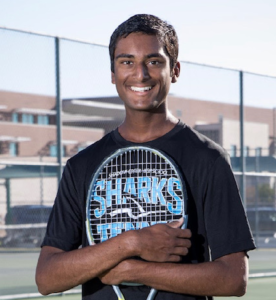
Name: Anish Row
From: Pearland, Texas
Votes: 0
One Second, One Choice: The Road’s Real Responsibility
The crunch of brakes, the break of glass—one moment of irrecoverable distractedness and life is forever altered. Some of our younger drivers never understand this obligation until it’s too late. The first time I jumped behind the wheel, freedom was exhilarating, but driving quickly came to a head. It is not a right but an obligation, one with life-changing implications. The United States is home to 34,000 people killed in automobile crashes annually, a statistic that outnumbers all the soldiers killed in Iraq and Afghanistan. We take lives (our own and others’) with us each time we get behind the wheel, and we can change them.
The key to a safer driving culture is driver education, which provides more than one way to pass the exam. It’s about building respect, accountability, and attention. This was a lesson my driving instructor knew best. He’d caused too many accidents over his years on the road and was determined to teach us about the harsh truth of reckless driving. A few days ago, he told me of a young driver who had looked at his phone for just three seconds before a family car pulled out in front of him. I was sickened to hear this and to know that an innocent glance could kill. I had that tale memorized, a reminder that a little mistake can turn lives around. That’s why I believe that driver safety programs need to take it a step further and make the technology, such as virtual reality simulations or accident victim testimonies, accessible to kids who learn the real-world consequences of every move they make on the road.
Every road user and every person in the street must get involved to help keep the road safer. Limiting penalties for distracted driving, raising limits in high-risk areas, and public awareness can all help to keep roads safer, but it’s also up to people themselves. I’ve also committed to putting my phone in “Do Not Disturb” mode when driving, a small but necessary step to stop everything that can distract me from driving. I urge my friends and family to do the same because one email or look can put everything back on fire. Passenger-wise, I don’t sulk when I detect distraction; I let people know that everyone else in the car is in it for the right reasons. This is not a large step, but it’s the difference between life and death.
I have a specific example in mind when I think about being safe to drive. One afternoon a friend who had just been awarded his license drove me over, excited about his independence. A simple drive soon became deadly, with him drifting past slower cars, accelerating to his mark, and barely missing a car backing out in front of us. My heart raced, my knuckles white as I took hold of the seat, realizing how quickly a dream can turn into a nightmare. I didn’t think he knew what was at stake, but I did. It was a wake-up call that reminded me that sometimes, being safe means speaking up, even if it means being the “sick” friend. And now, I no longer regard the call as an option but as a duty, a little token of compassion and courage that might save someone’s life.
In order to drive safely, I have established some low-risk habits. Intuitive habits such as regular rear-view mirror checks, safe follow-through, and a healthy speed limit provide the starting point for safe driving. Defensive driving is another important part of my routine. I learned to expect road hazards, to watch out for reckless drivers, and to expect the unexpected at the crosswalk. Not only do these routines save my life, but they save others as well: friends, family, and strangers who might otherwise have been victims of reckless or distracted driving.
But it’s not just about individual actions: I believe we need an overhaul of the way the world understands driving. We could build a safer, more responsible culture if everyone driving was better prepared and all drivers had a real-time sense of what every decision on the road would mean. Crash alerts, lane departure warnings, and automatic hand signals can all be handy tools, but driving defensively is something we do every time we drive. We are our own downfall, promising to be awake rather than distracted, tolerant rather than over-stimulated.
Safe driving is about valuing lives more than time, excitement, or acceleration. Any decision we make on the road is one that can change people’s lives for the rest of their lives and that’s our responsibility. By knowing about, intervening, and sharing our stories with others, we establish a safe culture that can mitigate breakups and deaths. I want to be a responsible driver, understanding that each safe decision I make will help ensure that someone else goes home safely to loved ones. The responsibility might be tough, but it’s worth it. Every time I jump in my car, I realize driving isn’t just for me; it’s for all the lives we all put on these roads.
Ultimately, creating a world of more safely driving drivers is not always about obeying the rules or learning the lessons from school. It’s about knowing we can all save lives just by staying awake behind the wheel. It’s about realizing that we’re all on the road together and that any safe action is an action that can lead someone home safely. It’s a responsibility I take every day, knowing that what I do as a driver can change lives, save families, and keep our roads safer for everyone.
