
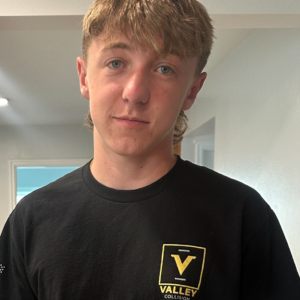
Name: Wesley Zilich
From: Provo, Utah
Votes: 0
In the Driver’s Seat: A Call to Responsibility
When I think about the devastating impacts of car accidents, I don’t have to look far to find examples. As someone who works in a collision shop, I see the aftermath of carelessness on the road every single day. Twisted metal, shattered glass, and the stories that come with them have made me painfully aware of the consequences of distracted and reckless driving. It’s not just about repairing cars—it’s about the lives altered, the families grieving, and the avoidable tragedies that could have been prevented with a little more care and education.
Driver education plays a crucial role in reducing road fatalities. A well-informed driver is less likely to make impulsive decisions or succumb to distractions. In my experience, many accidents stem from preventable issues like texting, eating, or even playing with the radio. Driver education not only teaches the mechanics of operating a vehicle but also instills the mindset of responsibility. If every new driver understood that they are in control of a two-ton machine capable of destruction, they might think twice before picking up their phone at 70 mph.
One incident at the shop stands out to me. A car got towed in after a severe accident caused by texting while driving. The car was almost unrecognizable. What hurt more was hearing that a young life had been lost because of a simple message that could have waited. I remember thinking, How could something so small cost so much? It’s stories like these that fuel my determination to promote safer driving.
Another time, I helped on a car that had been part of a collision caused by speeding. The driver, a teenager, had lost control and hit another vehicle. Fortunately, no one was killed, but both drivers were seriously injured. As I helped the tech repair the car, I couldn’t stop thinking about how easily the outcome could have been worse. It’s sobering to see firsthand the consequences of decisions made in mere seconds.
To reduce driving-related deaths, we need to go beyond traditional driver education. Schools and driving programs could implement hands-on simulations to show the dangers of distractions. Community outreach programs could share real stories from people affected by crashes. Social media campaigns targeting young drivers could emphasize the irreversible consequences of reckless behavior. Policies that penalize distracted driving must be enforced more strictly, ensuring that the message is clear: safety is non-negotiable.
Technology can also play a significant role in improving road safety. Features like lane departure warnings, automatic emergency braking, and adaptive cruise control can help mitigate human error. However, no amount of technology can replace the responsibility of the driver. Education needs to stress this balance—while technology can assist, it’s up to the driver to stay focused and make safe decisions.
Personally, I have taken steps to ensure I am a safer driver. I make it a rule to put my phone on “Do Not Disturb” mode as soon as I start the engine. I also encourage my friends to do the same, sometimes even offering to manage the music or navigation to keep their focus on the road. One conversation at a time, I hope to make a difference.
The stories I hear from customers at the collision shop have left a lasting impression on me. A mother once came in, barely holding it together, after her teenage son’s car was totaled in a crash. Thankfully, he survived, but it was a wake-up call for their entire family. She told me how he had been scrolling through social media while driving, a decision that nearly cost him his life. Hearing her recount those terrifying moments made me more committed than ever to becoming a better driver myself and to helping others understand the weight of their actions behind the wheel.
These experiences have also changed how I view distractions. It’s easy to think that quickly glancing at your phone or changing the radio station is harmless, but I’ve seen too many accidents caused by “just a second” of inattention. One of the saddest cases I’ve heard involved a driver who reached down to pick up a dropped item and swerved into oncoming traffic. The crash resulted in multiple fatalities, and it all could have been avoided if they had just pulled over for a moment.
When I saw this scholarship opportunity, I knew I had to apply—not just for financial reasons, but because of how deeply I care about this issue. Driving isn’t just about getting from point A to point B; it’s about doing so responsibly. It’s about respecting the lives of everyone on the road, from the child crossing the street to the family in the next lane.
Through my work at the collision shop, I’ve come to understand that driving is a privilege, not a right. With that privilege comes immense responsibility. Every decision we make on the road has the potential to save or cost lives. If proper education, stricter policies, and a collective commitment to safer driving were prioritized, I believe we could significantly reduce the number of lives lost each year.
As I continue to work at the collision shop, I will carry these lessons with me, sharing them whenever I can. We all have a role to play in making our roads safer, and I’m determined to do my part. Every life saved is worth the effort. Let’s ensure that we are not just drivers, but responsible stewards of the road.
