
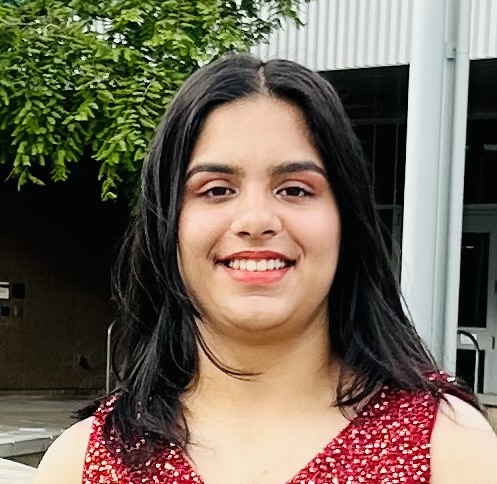
Name: Anusha Arora
From: Bellevue, WA
Votes: 0
When you’re a teenager, driving represents freedom. Driving is such an exciting right of passage. You can imagine the windows rolling down, favorite song blaring, open road ahead. At least, that’s how I imagined driving. I’ve since learned that a steering wheel doesn’t only represent freedom; it also comes with a heavy responsibility. Yes, a car can provide freedom, but it can take something away from you within a second.
I will never forget the day I learned about that truth.
My aunt had a Golden Retriever, Ginger, that was more than just a dog to us. She was one of those dogs that felt like a member of the family. Always happy, always ready to play, and her tail wagged like it was being powered by a mini motor. One evening, my aunt took Ginger for a quick walk after dinner. The street is quiet, and it’s one we all thought was pretty safe.
Out of nowhere, a car sped down the street–music bumping, engine buzzing. The driver was a teenager, probably just one or two years older than me. I guess he lost control for just a second, but that was all it took. He struck Ginger right in front of my aunt.
I can still picture her in the middle of the street kneeling next to Ginger, whispering his name over and over. I don’t think I had ever seen my aunt cry like that. The teen was just standing there, pale, and shaking. It’s not like he wanted this to happen. He didn’t want to run over a dog. But he was reckless. He was driving too fast, and probably distracted while getting there. And just like that, in the fraction of the second it takes to take a breath, a living, breathing creature was lost.
That night has always stuck with me. It wasn’t the loss of a human life but it was still life. It was someone’s best friend. And it helped me realize that when we are behind the wheel of a car, our choices affect people and families in ways we cannot undo.
Teen aged drivers are dealing with a lot! We are inexperience. We don’t have the years of experience that teach you when to slow down for an unseen curve or how to react when the person in front of you suddenly slams on their brakes. There is also pressure! You have your friends in the back seat urging you to go faster, the buzzing of your phone demanding you to respond, and the song you are dying to change. There is a lot going on. Too much sometimes!
That is why driver’s education is more than just a check mark on the to do list before you get your license. It is where you will learn the things that will someday save your life or someone else’s. The best classes don’t just teach you the rules and signs; they put you in circumstances that require you to think. They share the stories, the hard ones, that will stay with you when you are pushing the limits. When I went through driver’s ed, one of the biggest takeaways I had was that when I’m out on the road it’s not just about me—it’s about everyone else too. It’s the parents walking strollers, the cyclists, the other drivers who might be tired or distracted. Just one wrong move could change their lives.
If I could redesign the driving school experience, one of the things I would make a requirement is real stories from people affected by crashes -people like my aunt. I would require even more hours of supervised time, especially during night-time conditions, and during inclement weather. I would incorporate distracted driving as a main topic instead of a short blurb at the end of class. After all of my teachings, it is also up to us as teenagers to hold one another to a standard. If your peer is driving too fast… say something. If they grab their phone and go to text, tell them to put it down. Sure, it will probably feel awkward at first, but it is much better than standing on the side of the road one day, wishing you said something.
I know the young man who hit Ginger didn’t get in his car that night thinking to himself, “I’m going to hurt someone.” None of us do. And the thing you need to remember is driving isn’t about intent, it’s about action. Your hands, your decisions, your attention, dictate whether you go home safely, or someone else does.
I think about Ginger a lot when I am in the car now. When my friends joke about speeding or when I am tempted to grab my phone at a stop-light, I visualize my Aunt Ginger in the street, holding him. And I remind myself, the wheel in front of me isn’t just a part of a car—it is the weight of someone else’s story, their family, their future.
If every teenage driver understood that, maybe less people would have to go through what my aunt did. Maybe less stories would end in heartbreak.
We can’t go back in time, but we can make choices when we are in the car. And maybe, if we hold on to the intention that driving is to protect life, rather than just get there faster, we can make sure the next story behind the wheel is one worth telling.
