
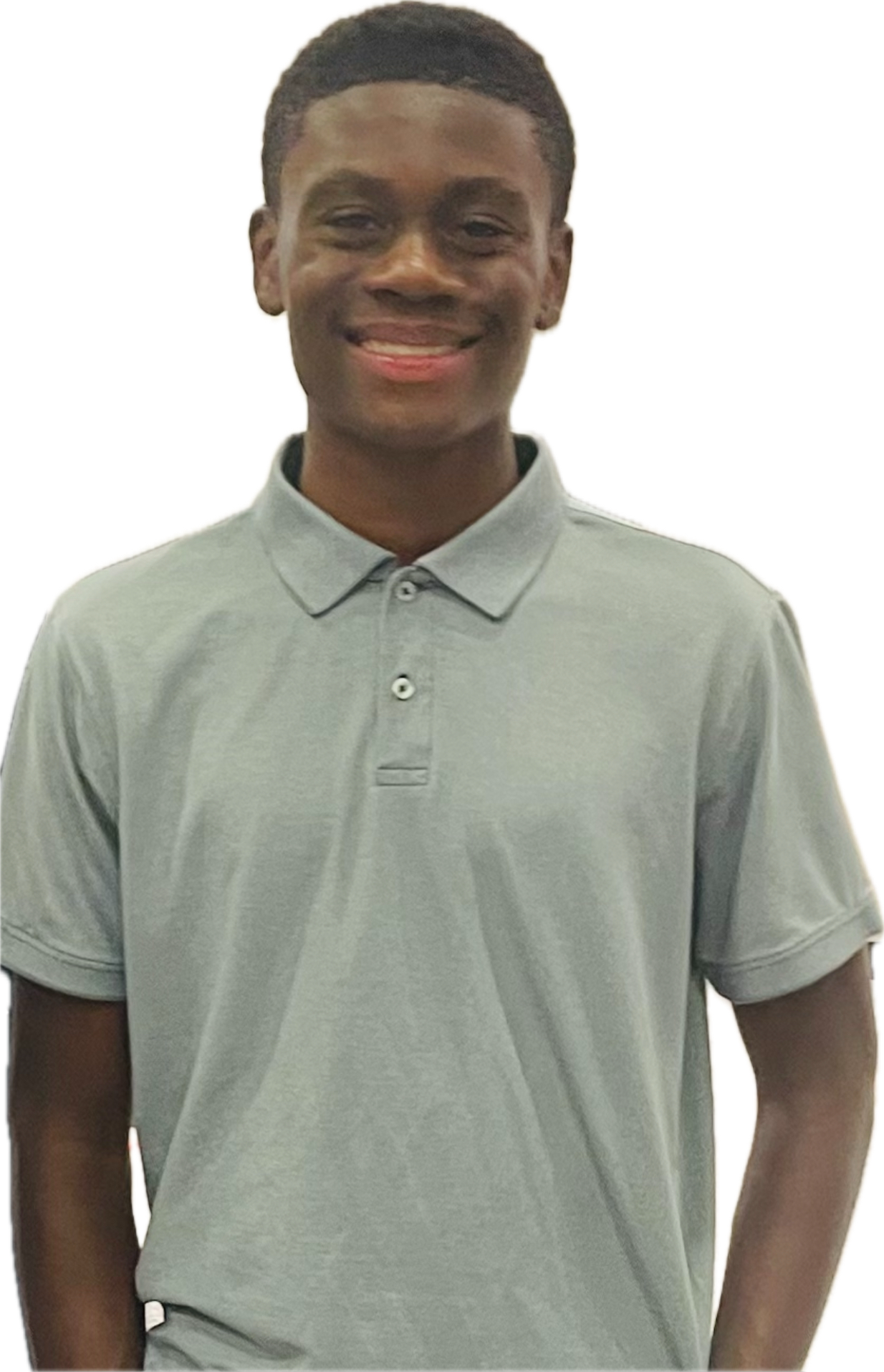
Name: Avery C. Anderson
From: HOSCHTON, Georgia
Votes: 0
Anytime someone gets behind the wheel of a vehicle after drinking alcohol or using drugs is dangerous to everyone and is totally illegal. I grew up realizing that it was strange my uncle had to blow into a machine before we could take a drive to school or to the store. I remember staring at that tube by the steering, and no adult ever told me why it was there. As a young kid, I knew the device was not a good thing, as my uncle seemed very ashamed and embarrassed for having the device there and having to blow into it frequently. In fact, I thought it was a drug of some sort. I clearly couldn’t figure it out, and no one ever had a conversation with me as to why the device was there and why uncle had to breathe into it. I was around 8 years old at the time, and I made it my goal to avoid that strange apparatus when I grew up.
After two summers of working hard in the sun and heat as a lifeguard, I saved up enough money to buy my first car. It wasn’t anything fancy, as it was a used Honda. I was able to purchase the vehicle before I completed driver’s ed. I was excited to be in drivers education and once we got to the module on the Dangers of Alcohol, Drugs, and Driving, I was not surprised to learn that drinking alcohol was the most common type of impairment. Drinking alcohol and driving is so much riskier, and it is the leading cause of accidents, inquiries, and sadly deaths. An important section in that module addressed the facts and myths of drinking. The myth that stood out to me the most is that you can drink and still be in control. And truth is, any amount of alcohol, one or two drinks, can impair judgment and can make you lose control and lead to tremendous dangers and trouble.
I’m only 17 years old and alcohol has never crossed my lips, but I have seen many family members under the influence of alcohol, and they clearly know and shout out loudly that drinking and driving is risky. For example, during a holiday celebration, a family member enjoyed alcohol and said they would only drink two drinks because they had to drive home. It’s not clear if the family member cut off the drinks at 2, but they drove home, and within the hour, a neighbor called and said “the police got them”. After hearing this news, everyone in the home was sad and disappointed, feeling that the arrest could have been prevented by not driving right after drinking. I, too, kept replaying the scene in my head over and over, trying to figure out how and if I could have intervented to avoid that experience for my family member. Clearly, my family member thought they could drink and still be in control to drive home.
So, after taking the driver’s course, the main principle I learned and that could have changed the attitude and behavior of all my family members is ownership of your choices, and that your choice to get behind the wheel of a car or operate a vehicle not only affects you, your livelihood, and your future, but it impacts others just as much. It impacts family members, innocent drivers, children on the street, police, pets, and structures.
My time in driver’s education was educational and therapeutic. The instructor allowed us to ask questions and share experiences as we covered the class material. What I found to make the class effective is allowing conversations in the class to cover attitudes and behaviors that put individuals at risk, and how they can make good choices, while understanding how the consequences of making poor choices, such as driving impaired, can be devastating. I enjoyed engaging in driver’s ed, and I actually had a lot to contribute to the class based on my experience of family members driving and drinking, leading to DUI arrest, breathalyzer orders. In addition to distractive driving from texting and emotional outbursts while holding the phone, and recently with my younger cousins, smoking weed or vaping, and buzz driving.
I am that voice of reason in the family; everyone who knows me knows that I am strongly against driving impaired under the influence of a substance. Most importantly, I model safe driving, and I’m making a positive impression on my younger cousins, and I hope that they remember that I stood up and practiced safer driving decisions. I’m educating and purposefully influencing my next generation of family members to prevent impaired driving, to counter my early experience of family driving impaired.
