
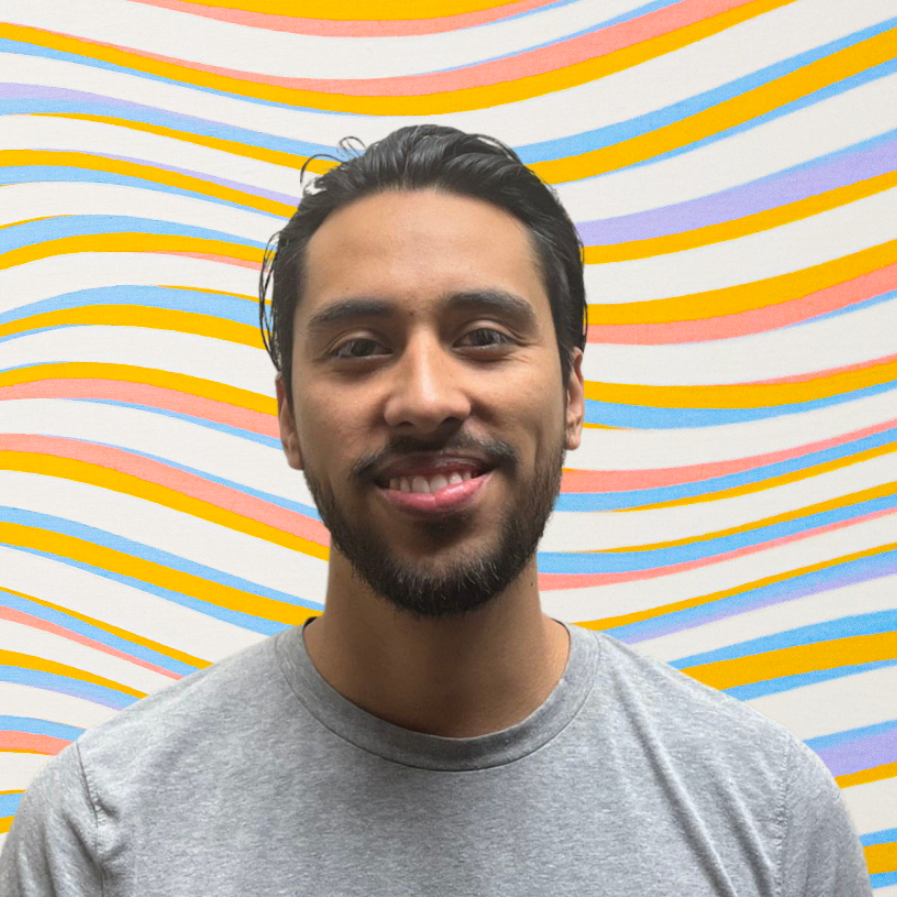
Name: Steve Jonathan Quintana
From: Lake Forest, CA
Votes: 0
When I first learned about impaired driving, I only thought it meant drunk driving. In my mind, it was about alcohol and people driving after parties. I didn’t realize how many other ways someone could be impaired until I started driver’s ed. My instructor talked about how anything that slows down your reactions or makes you lose focus counts as impairment. That includes texting, being tired, or even getting too emotional. To me now, impaired driving means any situation where your mind or body isn’t ready to handle the responsibility of being behind the wheel.
I had a close call with that once. During my senior year of high school, I worked part-time at a grocery store. One night I got off late, almost midnight, and I was exhausted. I remember rolling down the window and blasting the air conditioning to stay awake. About a mile from home, my eyes blinked longer than they should have, and when I looked up, a stop sign was coming fast. I slammed the brakes just in time and stopped halfway past the line. There were no cars around, but that moment scared me more than anything. I hadn’t been drinking or using my phone. I was just too tired. That’s when it hit me that I’d been an impaired driver without realizing it.
Before that night, I thought only people who broke the law were dangerous on the road. But being tired or distracted can be just as risky. Most people don’t see it that way because it feels harmless. Everyone’s looked at a text or driven while sleepy. The problem is that you don’t really notice how your attention fades until it’s too late. I looked up some statistics later and saw that thousands of crashes every year come from drowsy driving. It’s scary because there’s no test for being tired like there is for alcohol. That’s probably why so many people ignore it.
In driver’s ed, we talked a lot about how alcohol and drugs slow your reactions, but the lesson that stuck with me most was about distractions. We did a simulator where we had to text while “driving” through a virtual street. Almost everyone crashed within a few seconds. It was funny at first, then kind of disturbing. That exercise showed me how fragile focus is when your mind is split between two things. I think that’s why distracted driving is so common now. Everyone thinks they’re the exception, that they can handle it just for a second.
A family friend once told me a story that really made this real. Her younger brother was hit by a sixteen-year-old driver who looked down at his phone to read a text from his mom. Her brother didn’t make it. She said she forgave the driver but told me, “He has to live with that one glance for the rest of his life.” I’ve never forgotten that sentence. It’s easy to talk about numbers and safety tips, but when you hear how one small mistake ruined two lives, it changes how you see things.
Driver’s ed programs can’t stop every accident, but they do something important, they make people aware of what can happen. My instructor said driving is mostly about habits. The more you practice safe ones, the less likely you are to slip up when it matters. Things like checking mirrors, keeping your phone out of reach, or planning ahead become second nature. I think that’s how education really prevents impaired driving. It builds routines that protect you even when you’re not thinking about them.
I’ve tried to take that mindset into how I drive now. If I’m too tired, I pull over. If friends have been drinking, I offer to drive or we call a ride. I also use a setting on my phone that mutes notifications when the car is moving. These are small habits, but together they make a big difference. When my younger cousin started learning to drive, I told her about my near miss at the stop sign. She laughed at first, but the next time we drove somewhere, I noticed she put her phone in her bag. That moment meant more to me than any lecture could.
Every time I drive late at night, I think about that stop sign and how lucky I was. I could have easily been part of another statistic. Impaired driving isn’t just about alcohol or breaking laws; it’s about realizing that driving demands your full attention. The lessons I learned in driver’s ed didn’t just help me pass a test. They changed how I think every time I start the engine. It’s not just about getting somewhere. It’s about making sure everyone gets there safely.
