
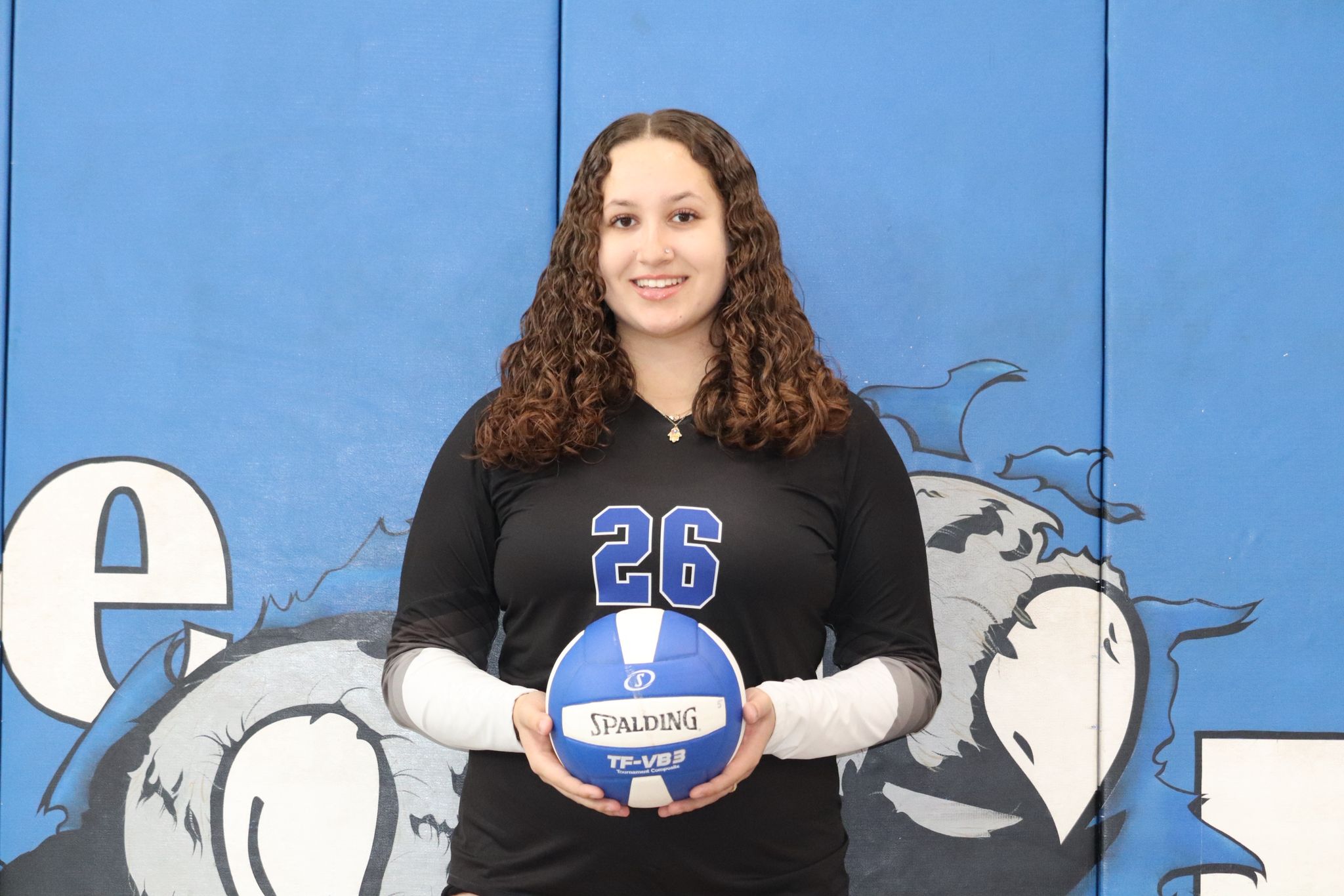
Name: Marianna Silva
From: New Milford, Connecticut
Votes: 0
To me, driving isn’t just about getting from one place to another; it’s about responsibility. A car isn’t just a vehicle; it is the most powerful machine most of us operate every single day. Every decision behind the wheel matters, and even a small mistake, like braking a second too late or speeding just ten miles per hour over the limit, can have devastating consequences. Impaired driving takes that risk to a dangerous level because it clouds judgment and slows reaction time, turning a powerful tool into a deadly hazard. Every time someone chooses to drive while impaired, they are gambling not only with their own life but with the lives of everyone else on the road.
Impaired driving is often misunderstood, even by those who have completed driver’s education or traffic school, because people don’t always recognize the many forms of impairment. While alcohol is the most widely known, there are countless other factors such as drugs, texting, emotional distress, tiredness and fatigue that can be just as dangerous. Each of these impairs driving ability by affecting focus, coordination, and decision-making, dramatically increasing the likelihood of accidents. Many drivers underestimate how much these impairments affect their skills, thinking they can “handle it,” when in reality, they put themselves and others in danger. The truth is that even momentary distractions, like glancing at a phone or adjusting the radio, can be enough to change someone’s life forever.
What people often forget is that impairment doesn’t always look obvious. A driver might not be drunk, but exhaustion after a long shift or a dose of prescription medication can dull reaction time just as much. Even strong emotions like anger or sadness can cloud judgment and cause risky behavior on the road. When we expand our understanding of what it means to be impaired, we realize how many times we’ve all been close to crossing that line. It’s a sobering thought that reminds me how fragile safety truly is.
I’ve seen the consequences of impaired driving firsthand, and those experiences have forever changed how I view it. My aunt died young in a rollover accident, thrown through the windshield and leaving behind her young son, her parents, and her family. Her death was the result of someone’s careless mistake, a painful reminder of how much is lost in just one moment of impaired driving. I remember her every time I eat raw ramen noodles or step onto the volleyball court, small things that now carry the weight of her absence. Her energy, laughter, and love for life are memories that still inspire me, but they’re also reminders of the responsibility we all share when we get behind the wheel.
Then there’s my uncle, my role model and biggest supporter. His life was changed forever when an Uber driver, distracted by texting, crashed near a guardrail, causing another rollover. My uncle was ejected from the vehicle and became paralyzed. He lost the freedom to live independently, to do the things he loves, and to fully care for himself. Yet despite everything, he remains positive, never complaining, always cheering me on at my games, and always making sure I have what I need. His strength and optimism are remarkable, but the pain and struggle he endures daily are a constant reminder that impaired driving affects not just the victims but their families and communities as well. Every day, I see the long-lasting consequences of one driver’s moment of inattention.
Driver’s education and traffic school can play a major role in changing attitudes by teaching the real-life consequences of impaired driving, not just the laws and penalties. When people understand the human stories behind the statistics, they are far more likely to respect the dangers and think twice before making risky choices. Effective programs combine facts with emotional impact and practical strategies, helping drivers recognize impairment in all its forms and encouraging safer behaviors. I believe that hearing survivors’ stories, watching testimonies, and understanding the lifelong aftermath of accidents could move people to make safer, smarter choices. Driving safely shouldn’t just be about avoiding tickets or fines; it should come from a genuine respect for life and for others.
Personally, I want to use what I’ve learned and experienced to raise awareness and encourage others to drive responsibly. I plan to share my aunt’s and uncle’s stories in schools, community centers, and on social media when given the chance, to remind people that every choice behind the wheel has consequences. I want people to understand that “it could never happen to me” is one of the most dangerous thoughts a driver can have. By spreading awareness, promoting empathy, and encouraging honesty about our own limits, I hope to help prevent others from suffering similar tragedies.
Knowledge and empathy are powerful tools in preventing impaired driving, and I believe my voice can help make a difference, one safer choice at a time. My hope is that through education, storytelling, and accountability, we can build a culture where responsibility is valued as much as convenience. Because when we drive, we are not just operating a vehicle; we are holding lives in our hands. The decision to drive safely is a decision to protect ourselves, our loved ones, and every stranger we pass on the road. It’s a decision I make every day, in honor of those I’ve lost, and in hope of saving someone else’s tomorrow.
